


Luoyang Anjing Intelligence Equipment are a global leader in high-temperature electric furnaces



Company News
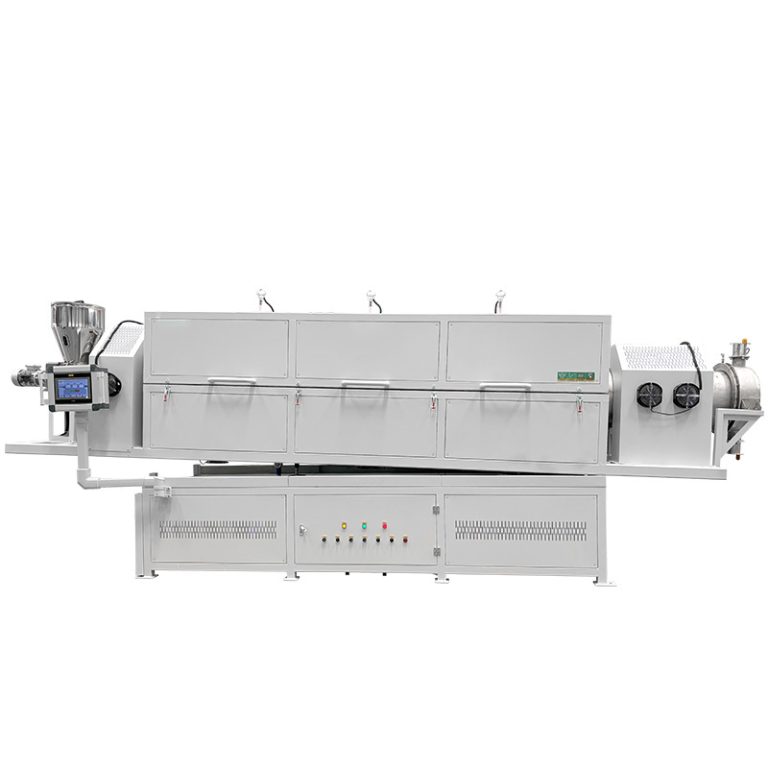
What Are the Different Types of Industrial Furnaces? A Complete Guide
In modern manufacturing, industrial furnaces are crucial equipment for high-temperature processing, material modification, and product performance enhancement. From metal smelting and heat treatment to ceramic sintering and electronic material processing, different industries…
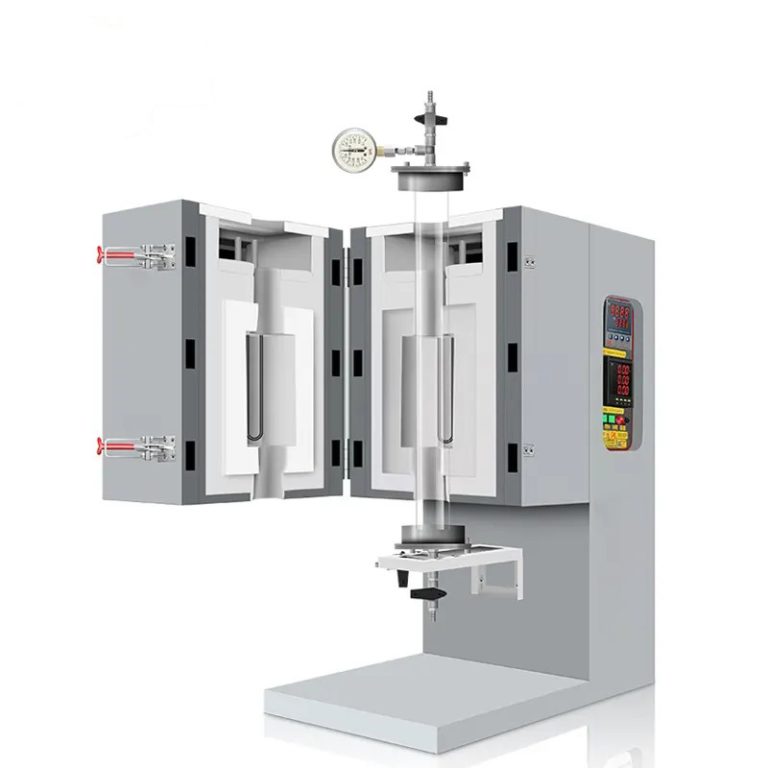
Vertical vs Horizontal Tube Furnace: Which Is Better for Heat Treatment Experiments?
In laboratory heat treatment and industrial materials research and development, the tube furnace is one of the most fundamental and crucial pieces of equipment. During the selection phase, one of the most…
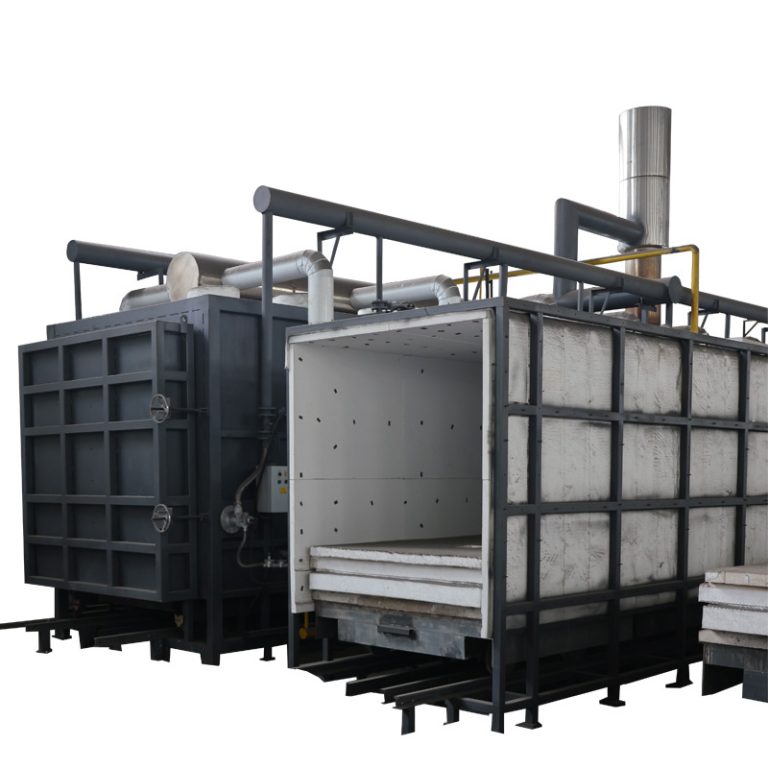
How To Choose The Heating Method For A Car Bottom Oven? A Comparison Of The Advantages And Disadvantages Of Electric Heating Versus Gas Heating.
Car bottom furnaces are being upgraded towards larger scale, automation, and energy efficiency. During the equipment selection phase, many users are not most concerned about furnace size, but rather the choice of…
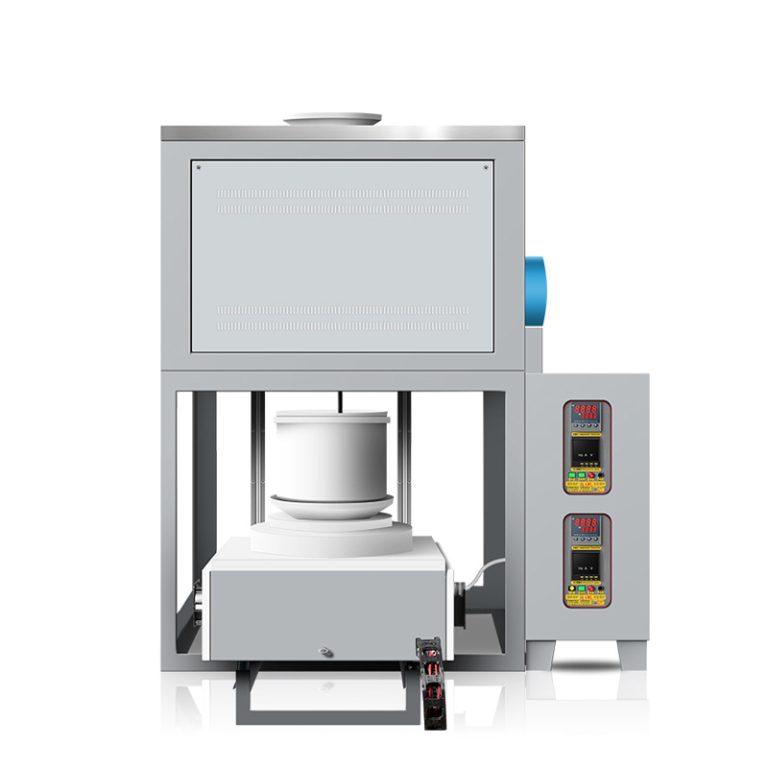
What Is A Melting Furnace? It’s A Device Specifically Designed For Firing Raw Materials For Ceramics And Glass
What is a frit furnace? A piece of equipment specifically designed for firing raw materials for ceramics and glass. In the production of ceramic glazes, glass pigments, and specialty glasses, frit is…
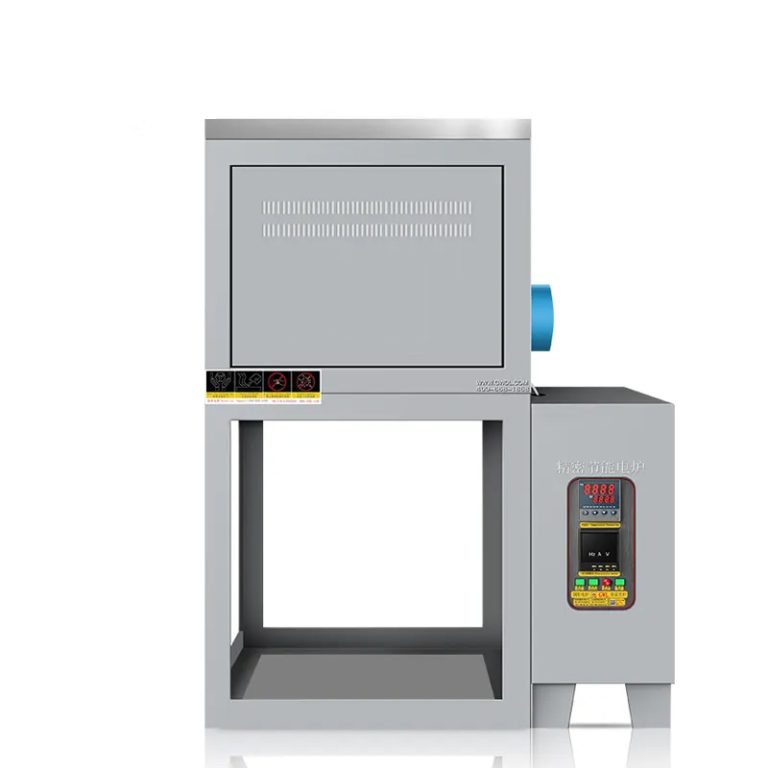
Fusing Furnace Cooling System: Troubleshooting Manual For Leaks/Blockages/Pump Failures
Fusing Furnace The cooling system mainly cools down the induction coil, power cabinet, water-cooled cables, transformer and key components of the furnace body to prevent overheating from causing performance degradation or damage…
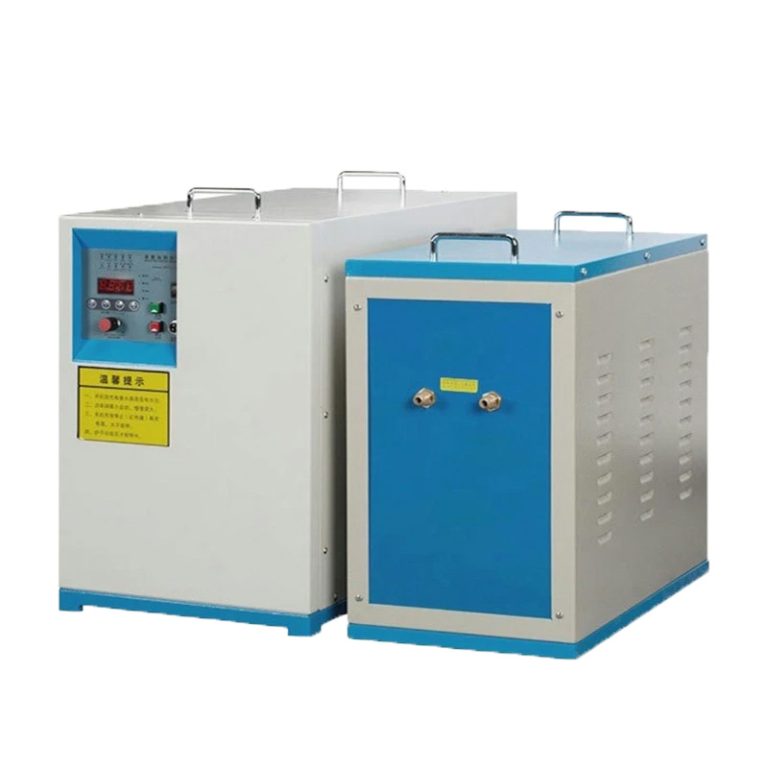
Working Principle Of Medium Frequency Furnace: How Does Electromagnetic Induction Melt Metal?
In modern casting, metal smelting, and heat treatment industries, Medium Frequency Furnace have become one of the most important core pieces of equipment. Compared to traditional coal-fired furnaces, coke furnaces, and electric…
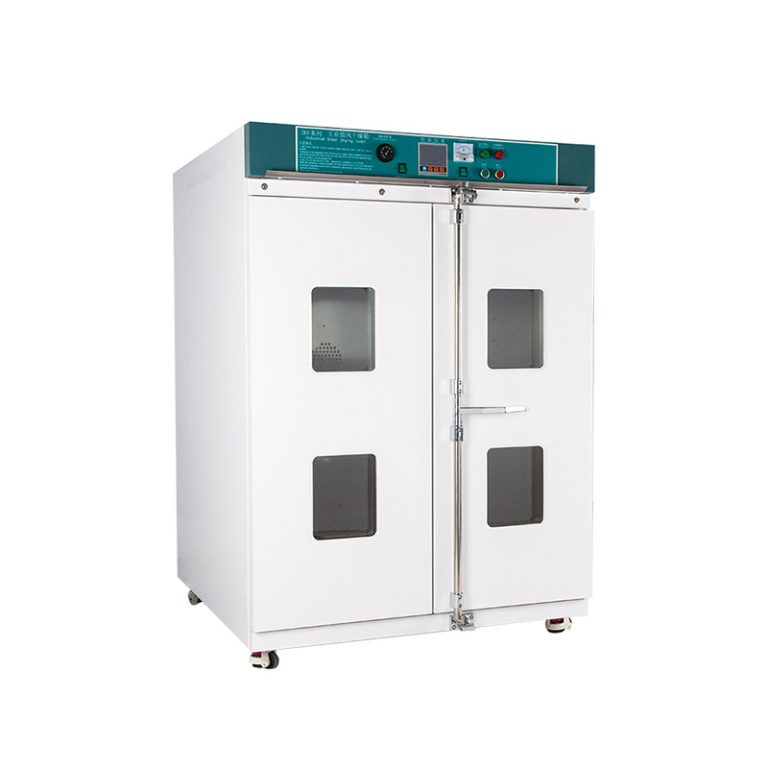
Vacuum Drying Oven Vs. Electric Heating Drying Oven: Which One Is Right For Your Laboratory Application?
Drying oven is no longer merely a “drying tool,” but a crucial piece of equipment directly impacting sample stability, experimental accuracy, and product quality. Vacuum drying ovens and hot air drying ovens…
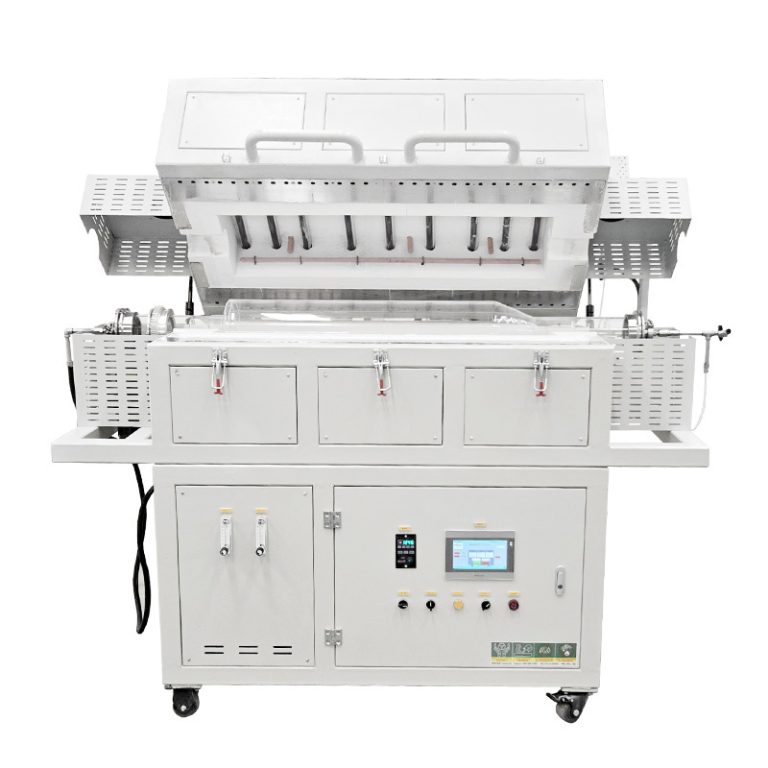
Single-Zone Or Multi-Zone? Tubular Furnace Selection Is Easy To Understand.
Tubular Furnace In laboratory heat treatment, material sintering, and atmosphere experiments, Tubular Furnace are widely used in university research, new energy materials, semiconductors, powder metallurgy, and advanced ceramics due to their excellent…
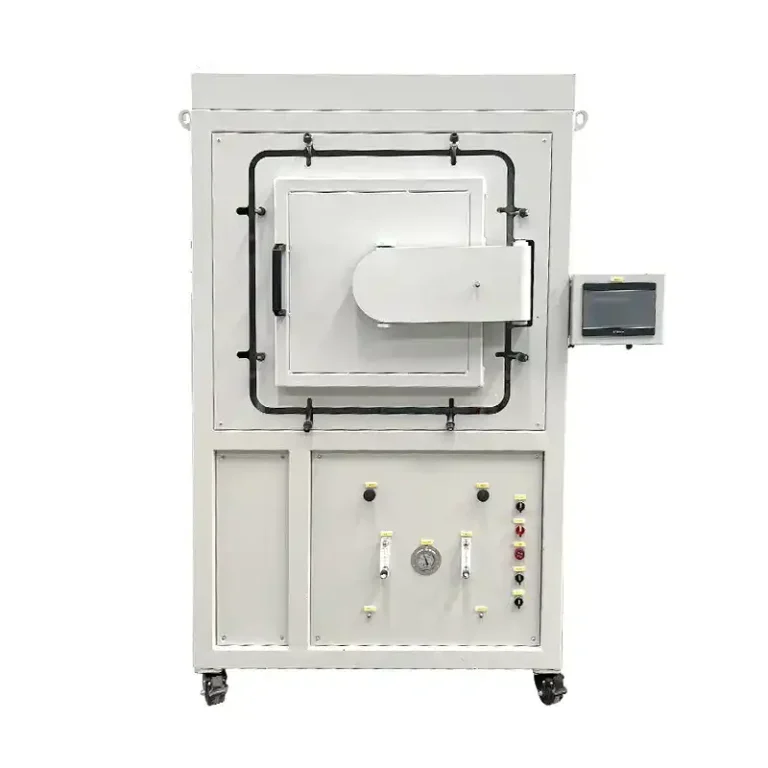
How To Achieve Uniform Temperature And Low Energy Consumption In A Laboratory Furnace
In laboratory furnace heat treatment processes, the true determinant of experimental results stability is often not the highest temperature, but rather “temperature uniformity” and “energy consumption control.” Especially in materials research, new…
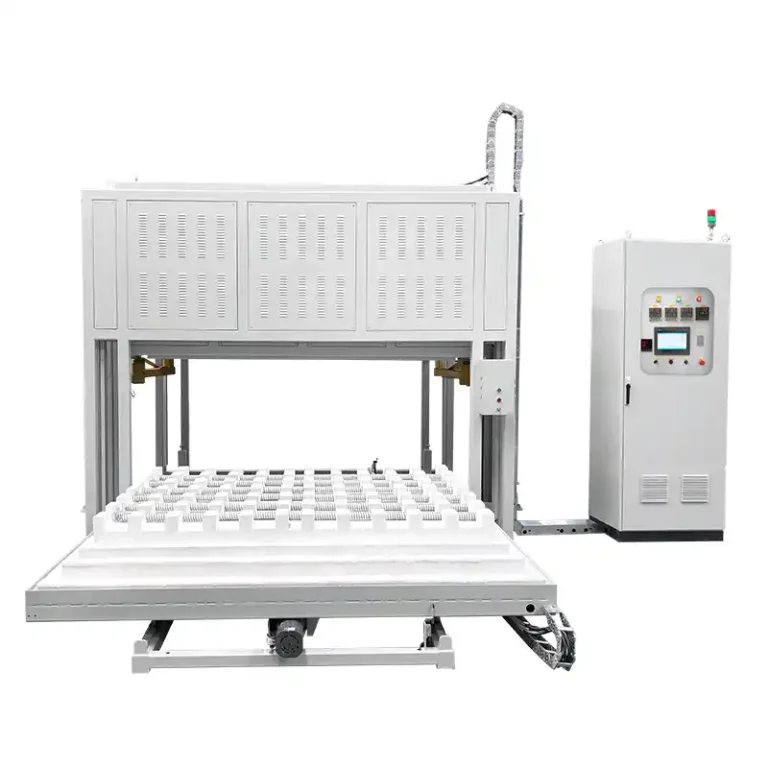
Bell Type Furnace vs Box Furnace: Which One for Your Heat Treatment?
In the selection of heat treatment equipment, the “Bell Type Furnace vs. box furnace” is not a simple substitution relationship, but rather two solutions tailored to different process logics. As the manufacturing…
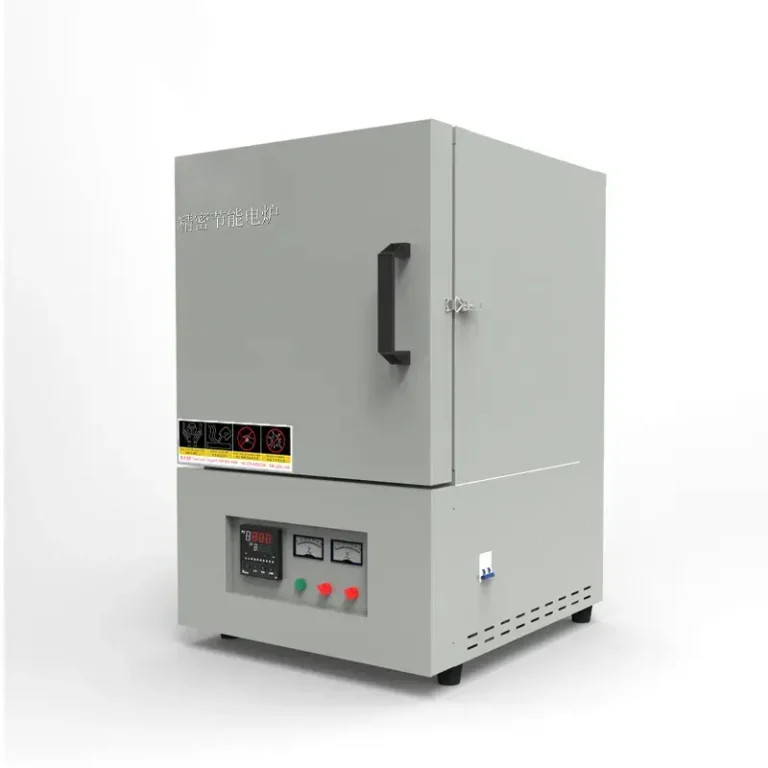
High-Temp & Low-Energy: Ceramic Fiber Muffle Furnace Guide
With the continuous pursuit of higher efficiency and lower energy consumption in laboratory and industrial heat treatment, ceramic fiber muffle furnaces are gradually becoming the mainstream equipment choice. Compared with traditional refractory…
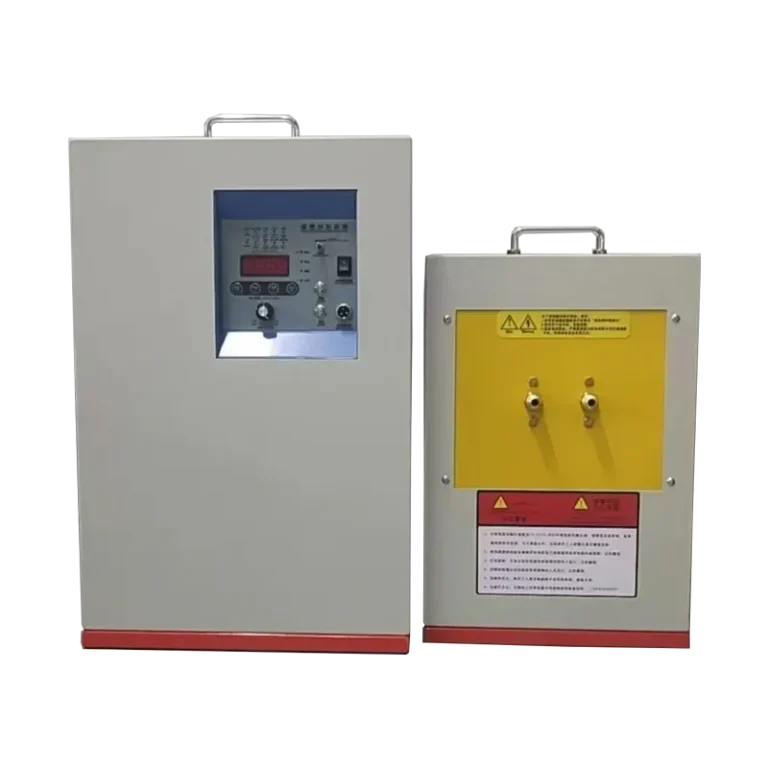
Medium Frequency Furnace Vs. High Frequency Furnace: Which One Is Right For You?
The difference between medium frequency furnace and high-frequency furnaces essentially lies in the principle that “frequency determines the process.” It’s not simply a matter of performance; rather, different technological paths cater to…