


Luoyang Anjing Intelligence Equipment are a global leader in high-temperature electric furnaces



High Vacuum Furnace
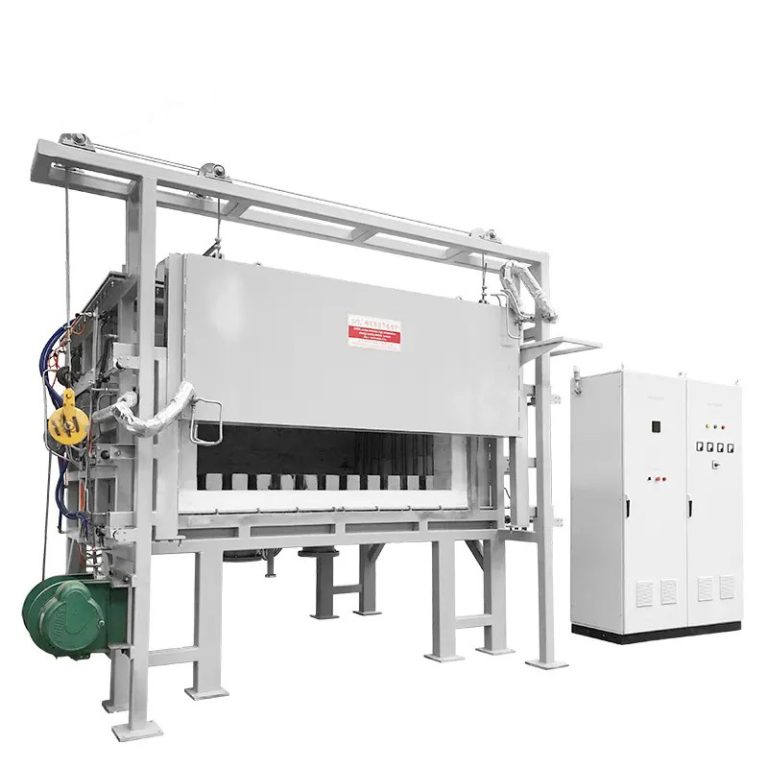
1600°C High-Temperature Hydrogen Furnace, High-Temperature Electric Furnace
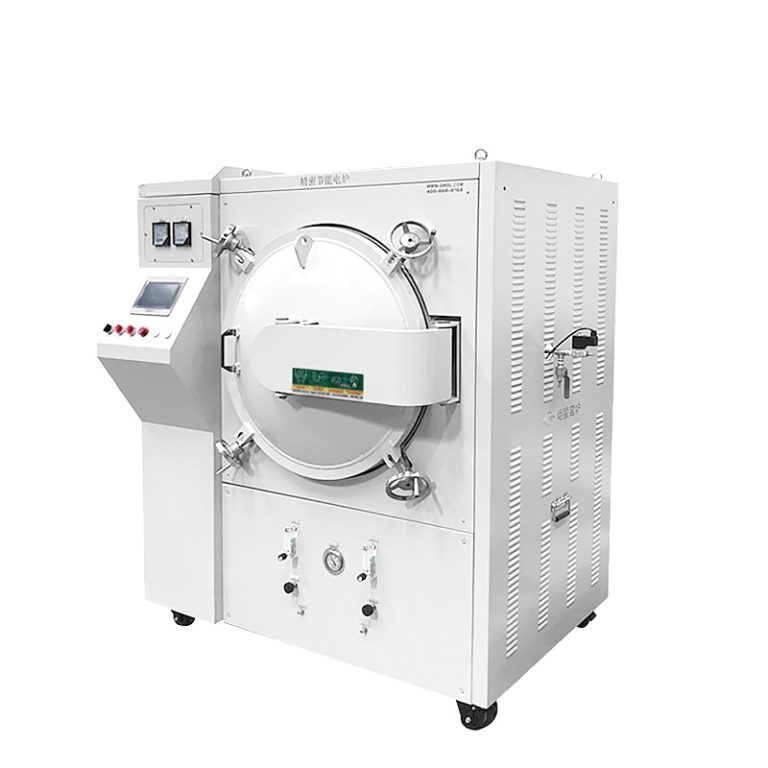
2100°C Atmosphere Vacuum Furnace
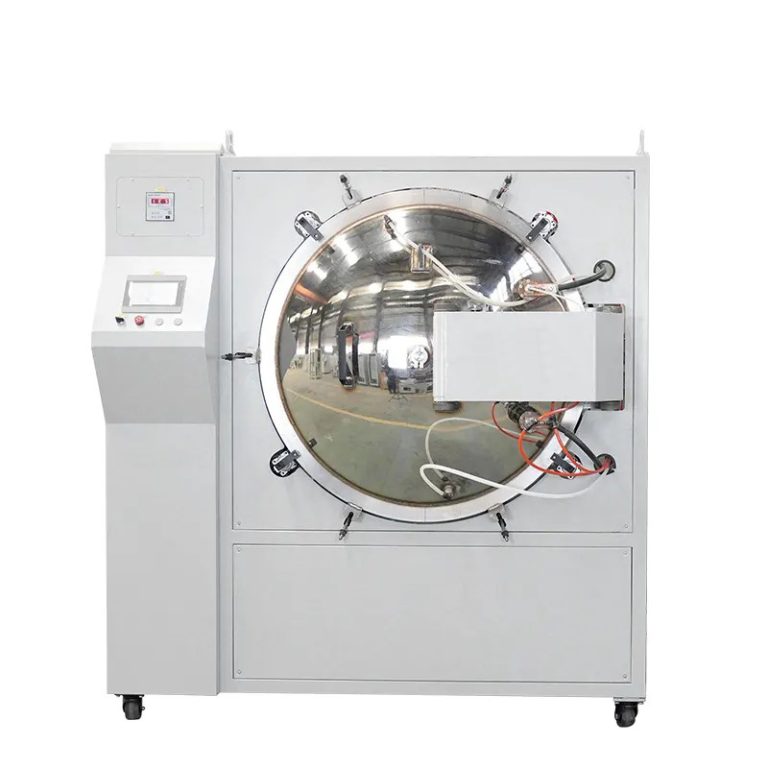
2100°C Atmosphere Vacuum Furnace
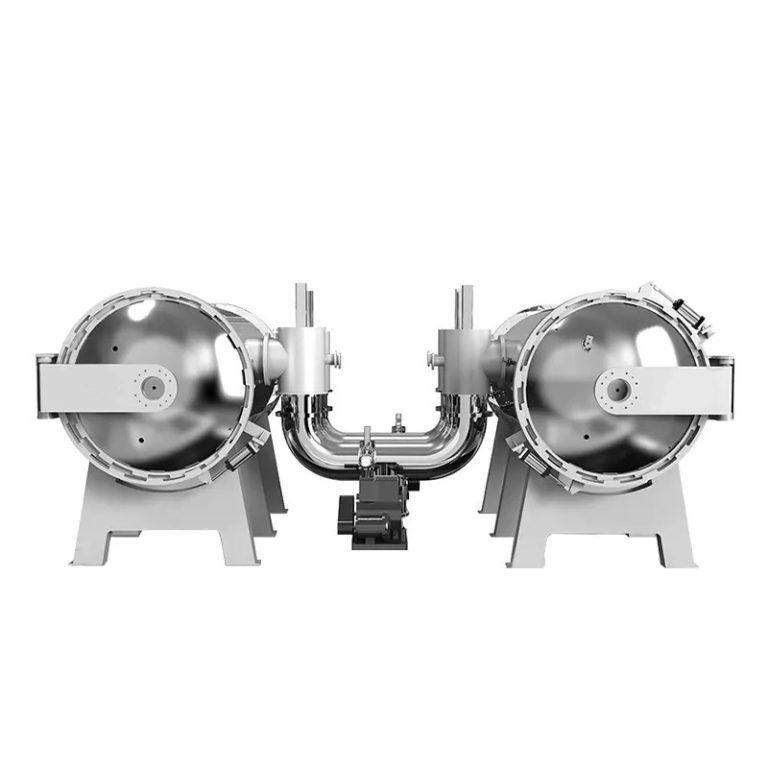
Titanium Alloy Hydrogen Removal Annealing Vacuum Furnace
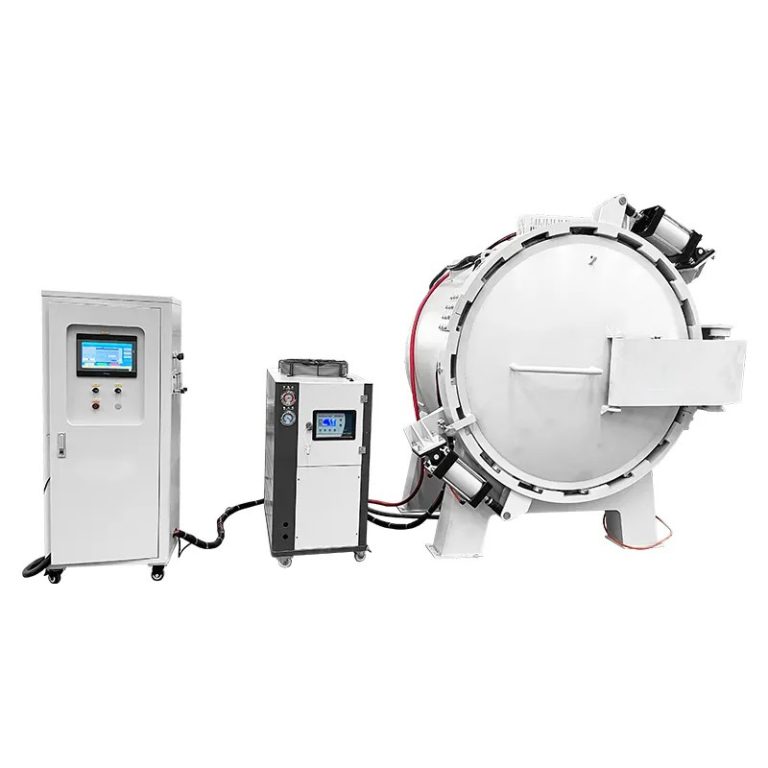
Atmosphere Vacuum Furnace With In-Furnace Fan Stirring
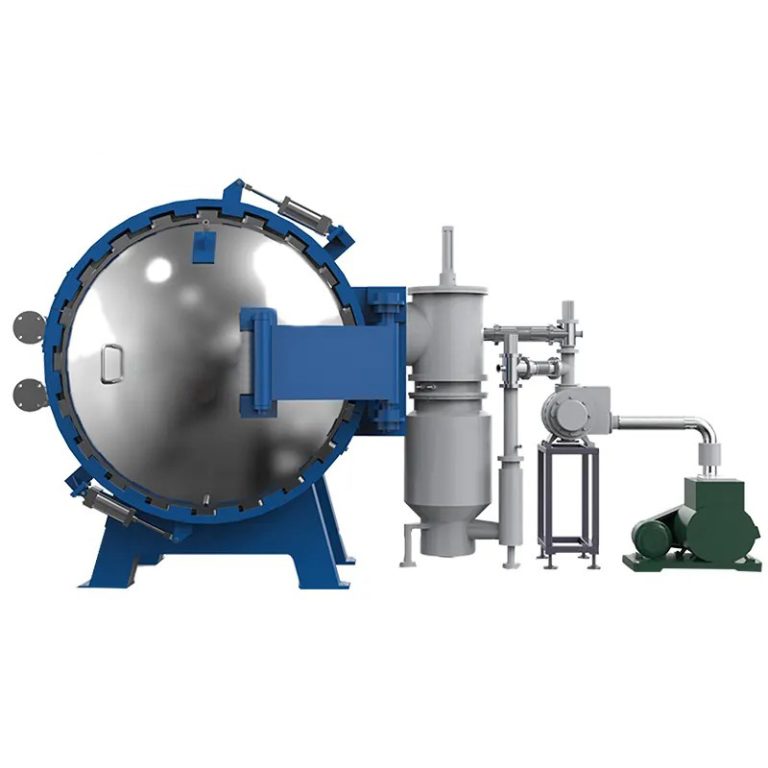
High-Temperature Sintering Vacuum Furnace
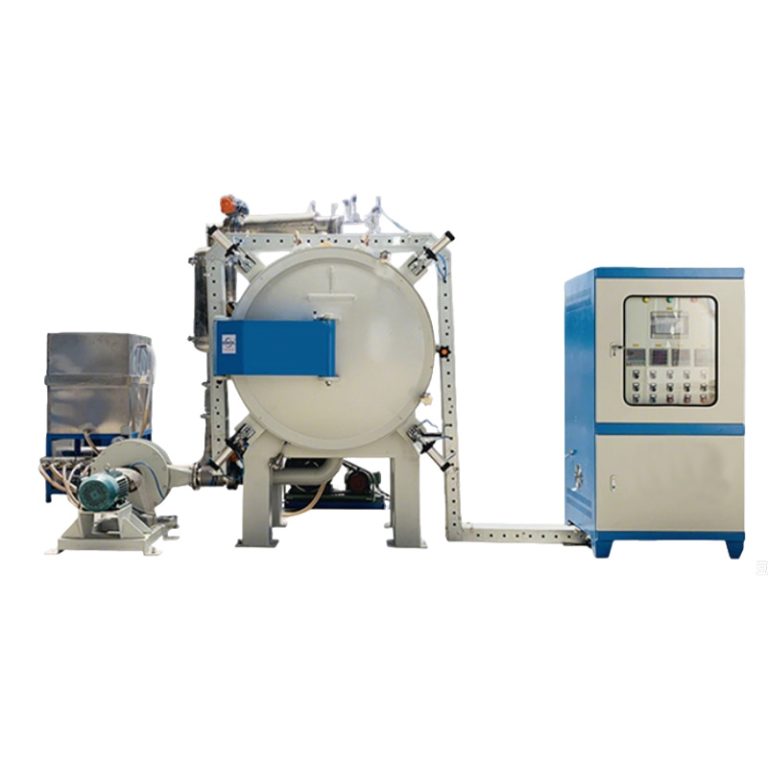
High-Temperature Sintering Vacuum Furnace With Rapid Cooling
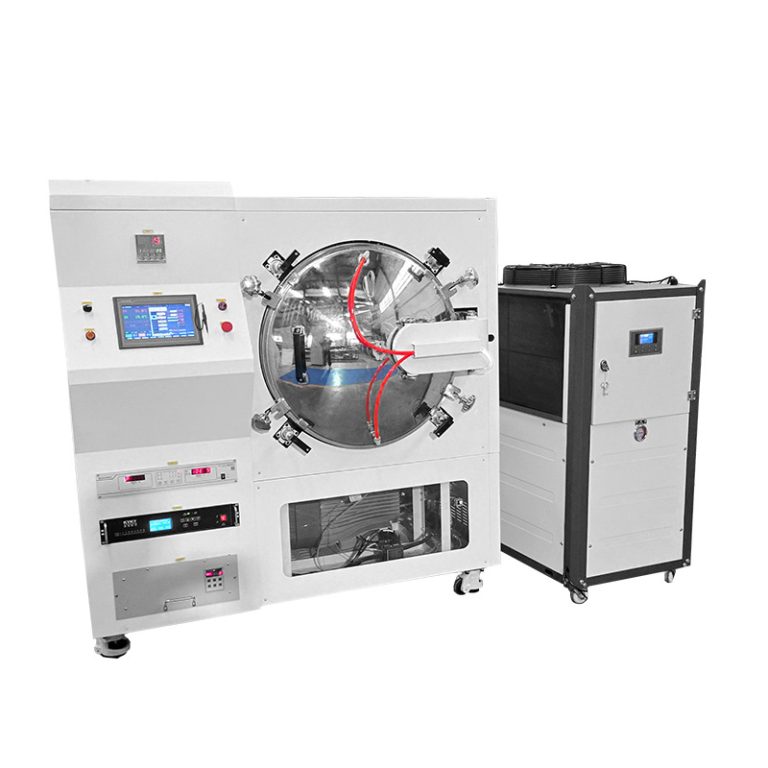
1600°C Vaf Type Vacuum Atmosphere Box Furnace – For Advanced Heat Treatment
High Vacuum Furnace
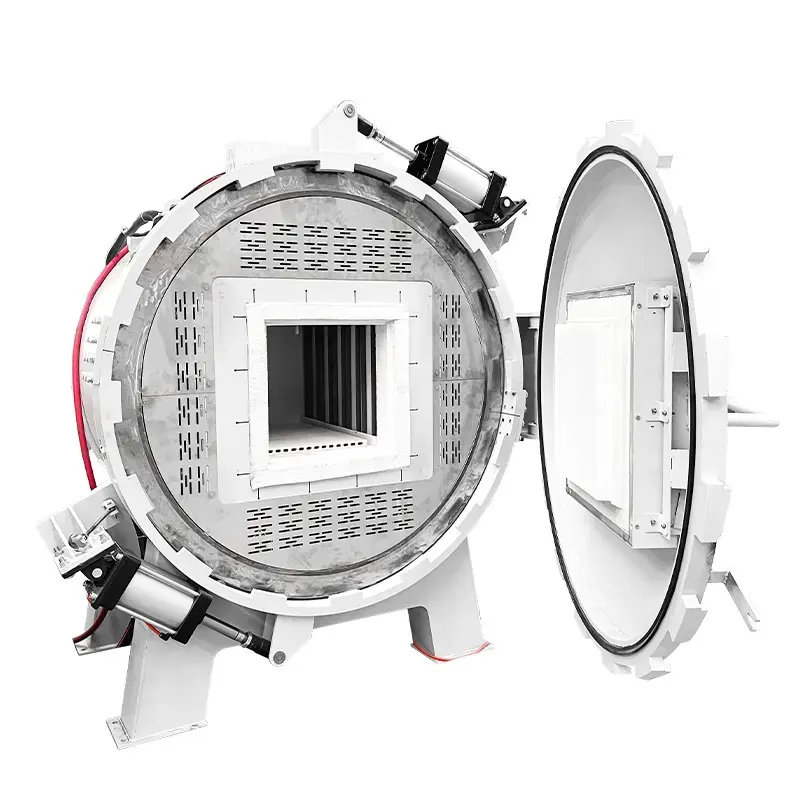
A high vacuum furnace is a high-temperature device that allows for precise control of its internal environment, enabling sintering and heat treatment of materials under vacuum or specific atmospheric conditions. This equipment regulates the furnace atmosphere by creating a vacuum or introducing inert or reducing gases, thereby preventing material oxidation during high-temperature processes or achieving specific reaction conditions. Commonly used gases include nitrogen (N₂), argon (Ar), hydrogen (H₂), carbon monoxide (CO), and nitrogen-hydrogen mixtures.
The vacuum level can be customized according to process requirements, reaching a maximum of 0.01 Pa. This equipment is widely used in the vacuum sintering and heat treatment of alloy and non-metallic materials and is an important piece of equipment for high-end materials processing.
Product Features (High Vacuum Furnace)
- Flexible Atmosphere Adjustment to Meet Diverse Process Requirements
This high vacuum atmosphere furnace can switch and adjust the furnace atmosphere, allowing the introduction of inert gases (nitrogen N₂, argon Ar₂), reducing gases (hydrogen H₂, carbon monoxide CO), or nitrogen-hydrogen mixtures as needed. The main purpose is to introduce gas to prevent material oxidation or to achieve reduction reactions. For some special materials requiring catalysts for high-temperature sintering, this system can also be used. The gas supply system is equipped with flow meters and valves for precise control of gas flow and proportion.
- High Vacuum Degree
The vacuum degree can be customized to customer requirements, up to a maximum of 0.01 Pa. A high vacuum environment effectively removes oxygen and moisture from the furnace, preventing material oxidation, and also facilitates gas removal during sintering, improving material density. The vacuum system is equipped with a high-precision vacuum gauge to display the furnace vacuum degree in real time.
- Horizontal/Vertical Structures Available
This series of vacuum furnaces offers two structural options:
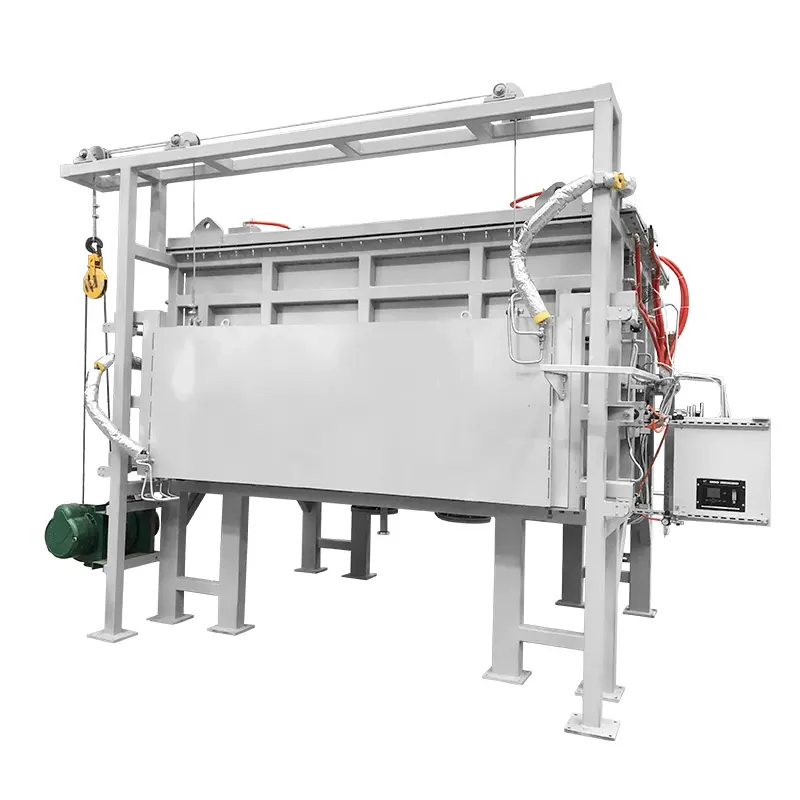
- High-Temperature Horizontal Vacuum Furnace: Primarily used for vacuum sintering of alloy or non-metallic materials, suitable for long, strip-shaped workpieces or batch loading.
- High-Temperature Vertical Vacuum Furnace: Composed of a horizontal main unit (single chamber), vacuum system, gas filling system, water cooling system, pneumatic system, and electrical control system, suitable for cylindrical workpieces or processes requiring higher temperature uniformity.
- High-Quality Heating Elements for Stable High-Temperature Performance
Heating elements are configured according to temperature ratings: high-temperature alloy resistance wire (1200℃), silicon carbide rods (1400℃), or silicon molybdenum rods (1700℃). The heating elements are installed around the furnace chamber to form a uniform heating field, ensuring uniform temperature distribution during vacuum sintering.
- Comprehensive Water Cooling System to Protect Seals
Equipped with a water cooling system, critical components such as the furnace body sealing flanges, electrodes, and vacuum pump are cooled to prevent high-temperature damage to seals and electrical components. The water-cooling system is equipped with flow and temperature monitoring to ensure effective cooling.
- Pneumatic System for Convenient Operation
The pneumatic system controls the opening, closing, and locking of the furnace door, making operation convenient and effortless. High-quality pneumatic components are selected for stable and reliable operation.
- Multiple Safety Protections
This high vacuum atmosphere furnace uses an integrated modular control unit with dual-loop control and dual-loop protection functions. It features comprehensive protection against overshoot, over-adjustment, under-adjustment, thermocouple breakage, phase loss, overpressure, overcurrent, overtemperature, current feedback, and soft start. When using hydrogen, an explosion-proof vent and purging system are provided to ensure safe operation.
| Parameter | 1200°C Model | 1400°C Model | 1600°C Model | 1700°C Model |
| Max. Operating Temp. | 1200°C | 1400°C | 1600°C | 1700°C |
| Long-Term Use Temp. | 1150°C | 1350°C | 1550°C | 1650°C |
| Control Range | 50–1200°C | 50–1400°C | 50–1600°C | 50–1700°C |
| Temp. Sensor | K-type thermocouple (0–1320°C) | S-type thermocouple (0–1700°C) | B-type thermocouple (0–1820°C) | B-type thermocouple (0–1820°C) |
| Control Accuracy | ±1°C (no overshooting) | ±1°C (no overshooting) | ±1°C (no overshooting) | ±1°C (no overshooting) |
| Heating Elements | Silicon carbide rods | Silicon carbide rods/ Silicon molybdenum | Silicon molybdenum / molybdenum / tungsten rods | |
| Installation Position | Side-mounted for uniform heating | Installation Position | Side-mounted for uniform heating | |
| Heating Rate | Adjustable: 1°C/h (min, non-leaner) – 40°C/min (max, non-leaner) | |||
| Optional Additional Functions List | |
| Temperature Controller | Standard model includes 50-segment programmable temperature control. Optional upgrade to high-end imported controller (Model B). Either one can be selected. |
| Touch Screen | 7-inch display with user-friendly Chinese interface. Supports multiple heating profiles, storage of historical curves and data reports. Choose one of four options. |
| IoT Interface | Equipped with RS485 communication port for real-time data read/write, including start, pause, stop, temperature curves, and timing control of the furnace. |
| Computer Control System | Includes both software and hardware. Enables computer-based control of furnace functions such as start/stop, temperature curve setting and reading, parameter adjustment, data logging (measured value, setpoint, output, segment time and number, temperature and power curves). Historical data can be filtered (1s to 1h) and stored long-term. |
| PLC Control System | Controlled via Siemens PLC. Enables read/write of operations including start, stop, temperature curves, timing, atmosphere control, flow rate, digital and analog I/O, power supply and output. Supports integration with upstream/downstream equipment. |
| Observation Port | Installed on the furnace door, made of high-temperature resistant quartz glass for safe and direct observation. |
| Air Inlet | Includes float-type flowmeter and manual valve. Number of flowmeters, maximum flow rate, and gas type are customizable. Either option can be selected.Option 2: Digital mass flowmeter with configurable specifications. |
| Exhaust Port | Manual exhaust outlet (DN30). Either option can be selected.Option 2: Motorized exhaust port that opens/closes automatically based on preset segments in the heating curve. |
| Fully Automatic Intake & Exhaust | Integrates electric intake and exhaust ports with the temperature curve segments via PLC. Allows automatic opening/closing during heating stages. Requires Touch Screen option. |
| Moving Casters | Two swivel casters and two fixed-direction wheels for flexible and stable mobility. |
| Rapid Cooling System | Controlled cooling via frequency converter and centrifugal fan to ensure programmable and efficient cooling. |
| Motorized Upper Door | Motor-driven top-opening furnace door, equipped with foot pedal control for convenience and safety. |
| Quick Discharge Rack (Platform) | Made from high-temperature steel with top layer of wear-resistant refractory bricks. When used with S-function, allows quick transfer of hot materials from furnace chamber to external rack once door opens. |
| Multipoint Temperature Control | Standard heating from both sides; optional upgrades include independent temperature control at door, bottom, rear, and top zones to enhance uniformity. |
| Stirring Fan | Internal metal fan rated up to 1050°C; includes optional frequency converter (1500–2000) and PLC integration for auto activation by temperature segments. |
| Separate Control Cabinet | External control cabinet (1600×600×400 mm) with extended cable (up to 5 meters), separating control system from furnace body for safety and convenience. |
| Regenerative Hearth | Furnace base lowered by 50mm with hollow structure and reinforced with multi-point support and firing plate. Increases structural strength and adds 5% to cost. |
| Tail Gas Treatment System | Optional VOC treatment furnace for exhaust gas purification. Available capacities: 40 m³/h and 80 m³/h. |
| Corrosion-Resistant Chamber | Chamber lined with materials resistant to acid, alkali, and hydrofluoric acid corrosion for harsh processing environments. |
| Heating Element Protection | Heating elements equipped with protective housing to prevent contamination from powders and corrosive vapors. |
| Clean Furnace Chamber | Internal surfaces protected with ceramic, high-temp glass, or special metal to minimize dust and volatile residue, ensuring clean processing environment. |
Application Areas (High Vacuum Furnace)
- Alloy Material Vacuum Sintering: Suitable for vacuum sintering of high-temperature alloys, titanium alloys, hard alloys, magnetic alloys, etc. The high vacuum environment of this high vacuum furnace effectively prevents alloy oxidation, resulting in high-density, high-performance alloy products.
- Non-metallic Material Vacuum Sintering: Suitable for vacuum sintering of non-metallic materials such as ceramics, carbon materials, and composite materials. The vacuum environment facilitates gas removal during sintering, reducing porosity and improving material density and mechanical properties.
- Vacuum Brazing and Heat Treatment: Suitable for vacuum brazing, vacuum annealing, vacuum solution treatment, and other heat treatment processes for metal parts. No oxidation, no decarburization, bright workpiece surface, no need for subsequent processing.
- Powder Metallurgy: Suitable for vacuum sintering of metal powders and alloy powders. The high vacuum environment removes gases adsorbed on the powder surface, improving the density and performance of the sintered body.
- New Material Development: Suitable for research on vacuum sintering processes for special ceramics, high-temperature alloys, composite materials, and other new materials. A fully functional vacuum furnace is a core piece of equipment for new materials research and development.
- Universities and research institutes: Used for experimental teaching and research projects in materials science and engineering, metallurgical engineering, powder metallurgy, and inorganic non-metallic materials. A high-performance vacuum atmosphere furnace provides reliable support for various vacuum heat treatment experiments.
- Industrial and mining enterprises: Suitable for small-batch production, process verification, and product development. Available in both horizontal and vertical configurations to meet the processing needs of workpieces of different shapes and sizes.
Company Profile
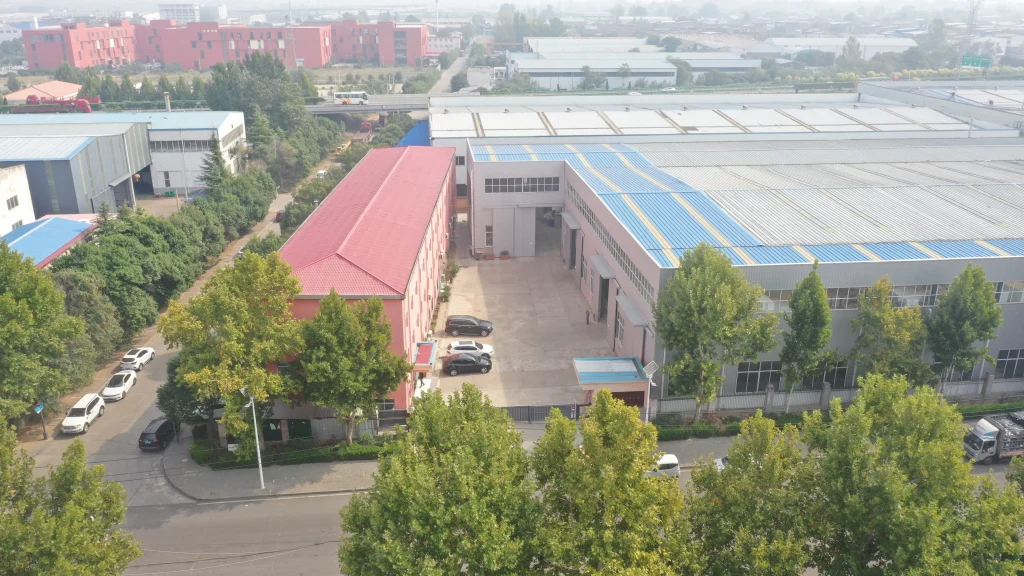
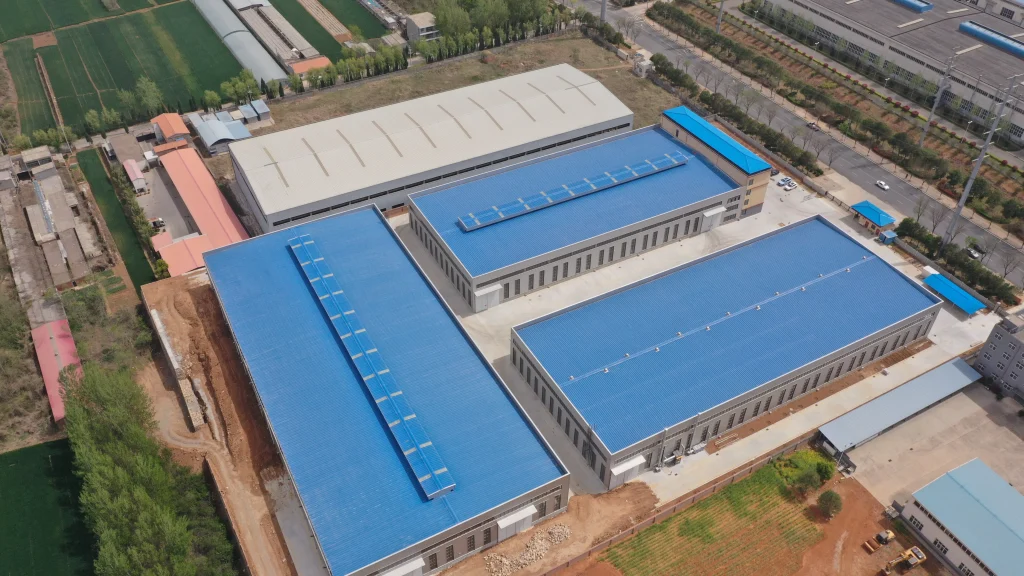
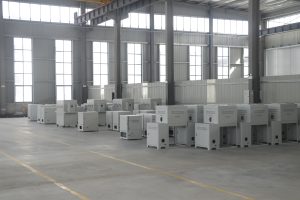
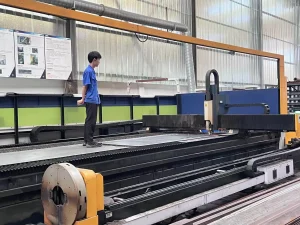
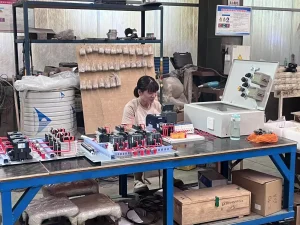
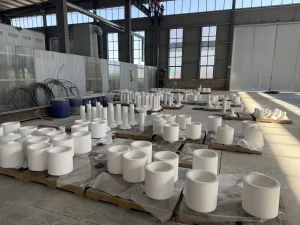
A professional enterprise specializing in heat treatment technology services and the R&D, manufacturing, and sales of high-temperature electric furnaces.
The company focuses on developing high-temperature electric furnaces covering a full temperature range of -100℃ to 2600℃. Its products include experimental electric furnaces, vacuum atmosphere furnaces, industrial kilns, and medium-frequency induction heating equipment. Main products include box furnaces, tube furnaces, lifting furnaces, pusher kilns, bogie furnaces, rotary kilns, tunnel kilns, and various specialized medium-frequency furnaces.
The company adheres to technological innovation and has passed ISO9001 and EU CE certifications. It owns 21 registered trademarks, 29 patents, and 27 software copyrights.
Payment Methods
TT
Shipment Methods
The electric bottom-loading furnace is packaged in three layers: first wrapped in foam paper, then wrapped in plastic film, and finally packed in a wooden crate.
Frequently Asked Questions (FAQ)
- What is a High Vacuum Furnace?
A high vacuum atmosphere furnace is a heating device that can change and regulate the atmosphere inside the furnace, allowing materials to be sintered under a specific atmosphere.
- What is its main function?
It is mainly used to prevent material oxidation or to achieve reduction reactions. Some special materials also require catalysts to facilitate high-temperature sintering.
- What gases can be used?
Usually, inert gases (nitrogen N₂, argon Ar₂), reducing gases (hydrogen H₂, carbon monoxide CO), or a nitrogen-hydrogen mixture are used.
- Why are these gases used?
To prevent material oxidation or to achieve reduction reactions. Some special materials require catalysts.
- What is the difference between horizontal and vertical furnaces?
Horizontal furnaces are mainly used for vacuum sintering of alloys or non-metallic materials; vertical furnaces consist of a main unit, vacuum system, gas filling system, water cooling system, pneumatic system, and electrical control system.