Tá Luoyang Anjing Intelligence Equipment ina cheannaire domhanda i bhfoirnéisí leictreacha ardteochta



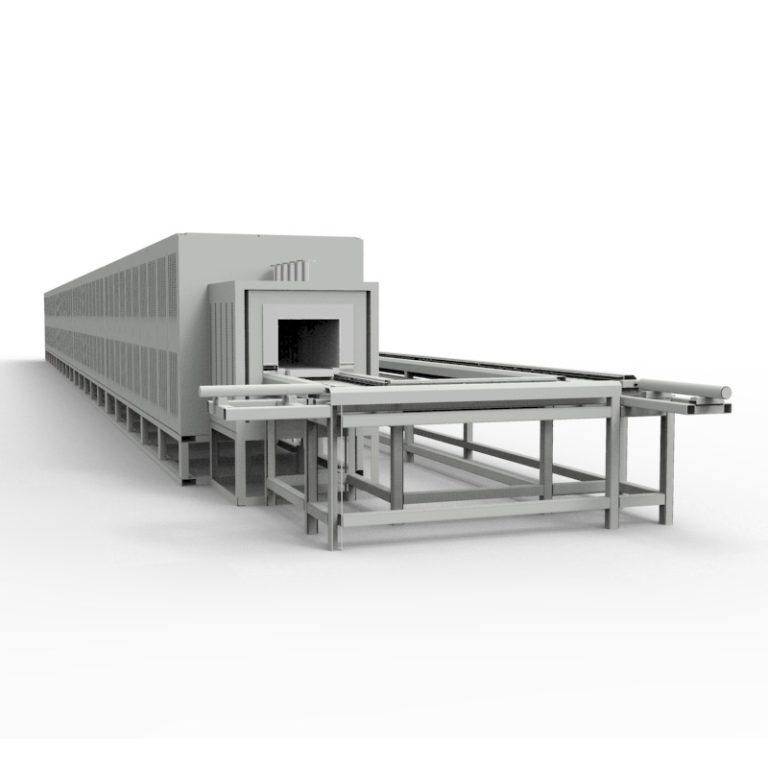
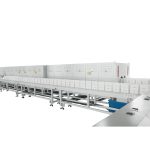
1700°C High-Temperature, Fully Automatic, Internal-Circulation Electric Push-Plate Kiln with Opposing Dual Ports


Paraiméadair TÁIRGÍ
Cur síos
1700°C High-Temperature, Fully Automatic, Dual-Channel Counter-Flow Pusher-Plate Electric Kiln
This 1700°C high-temperature, fully automatic, dual-channel counter-flow electric Push-Plate kiln is designed for the continuous sintering of alumina ceramics, electronic ceramics, structural ceramics, advanced ceramics, and high-performance inorganic materials. Featuring an innovative dual-channel counter-flow structure, a fully automatic hydraulic pushing system, and intelligent digital temperature control technology, the equipment delivers high productivity, low energy consumption, excellent temperature uniformity, and long-term stable operation.
The kiln has a maximum design temperature of 1730°C and a continuous operating temperature of 1680°C. It utilizes an independent dual-channel operating mode, allowing it to simultaneously meet the sintering requirements of different ceramic products. Through dual-channel waste heat recovery technology, thermal energy utilization is significantly enhanced—achieving energy savings of over 35% compared to traditional single-channel pusher-plate kilns—making it an ideal solution for the continuous production of modern advanced ceramics.
Gnéithe Táirge
- Modular Structure with Dual Opposing Channels
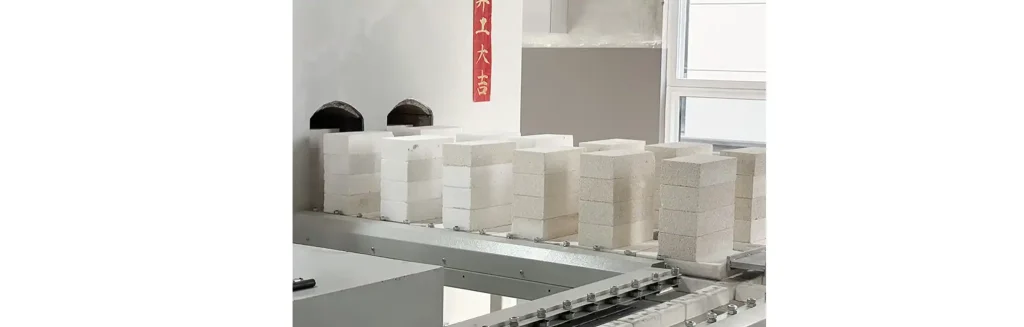
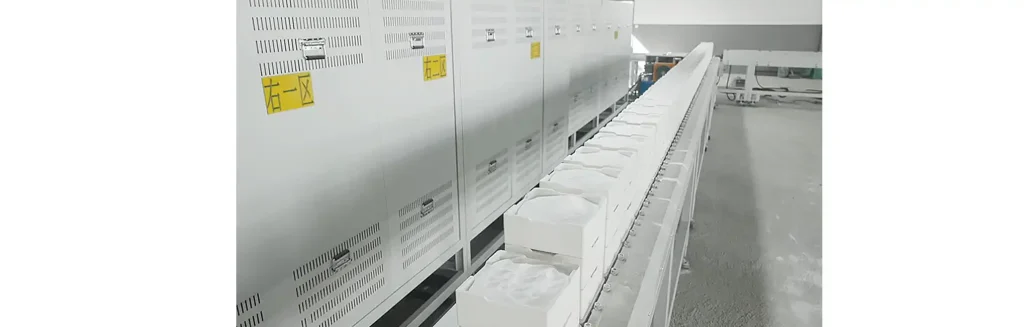
The furnace features two parallel channels arranged in an opposing dual-bore configuration, doubling the production capacity compared to single-bore kilns. Fully automated internal circulation reduces labor intensity and effectively boosts production efficiency. Independent temperature control for the two channels allows Channels A and B to be configured separately for sintering 95-grade and 99-grade ceramics, offering process flexibility.
- Uniform and Stable Temperature
Thanks to a unique structural design and optimized control and power distribution strategies, the furnace achieves optimal temperature stability and uniformity within ±5°C. Temperature stability is maintained at ±1°C/h. The system utilizes 8 heating zones and 8-point temperature control; this multi-zone, multi-point control minimizes the formation of closed pores, significantly enhancing the sintering quality of the products.
- Fully Automated Internal Circulation and Advanced Pusher System
The equipment utilizes a hydraulic pusher system featuring a “fast-advance/slow-retract” mechanism; the slow-retract time is only 10 seconds, preventing temperature fluctuations caused by the pusher’s movement. It delivers a main thrust of 8–10 tons, with a continuously adjustable pushing speed ranging from 200 to 800 mm/h (standard operating speed: 300 mm/h). The propulsion assembly consists of one main pusher and three auxiliary pushers.
- Optimized High-Temperature Structure and Long Kiln Lifespan
The furnace chamber features a dual-channel structure supported by a central pillar, with heating elements arranged on the left, center, and right sides. High-purity, low-silicon corundum is used for the high-temperature zone of the chamber, while machine-pressed, sintered 99-grade wear-resistant corundum is used for the slide rails.
- Comprehensive Exhaust and Venting System
The furnace chamber is designed with dedicated roof vents to exhaust high-temperature, contaminated gases. Exhaust stacks are located at the kiln entrance, with two stacks serving each channel.
| Catagóir | Parameter | Value |
|---|---|---|
| Main Dimensions | Furnace Chamber Dimensions (L×W×H) | 15960×240×350 mm, two-hole opposing |
| Effective Working Chamber Dimensions (L×W×H) | 15960×240×300 mm, two-hole opposing | |
| Pusher Plate Dimensions (L×W×H) | 240×240×50 mm, Corundum Mullite | |
| Furnace Exterior Dimensions (L×W×H) | Approx. 21000×2000×1750 mm | |
| Temperature Control Cabinet | Mechatronic integration with furnace body | |
| Thermal Parameters | Rated Temperature | uas: 1730℃ |
| Working Temperature | NOR: 1680℃ (SK temperature cone standard) | |
| Temperature Control Zones | 8 heating zones, 8-point temperature control | |
| Heating Power | uas: 150KW, Normal operating power: 80KW | |
| Power Supply | 3P-AC380V/220V-50HZ | |
| High-Temperature Zone Uniformity | ≤ ±5℃ | |
| Furnace Temperature Stability | ±1℃/h | |
| Furnace Exterior Surface Temperature Rise | ≤50℃ (measured away from heating element outlets, interfaces, and thermocouple outlets) | |
| Furnace Atmosphere | Air | |
| Exhaust Chimney | 2 per kiln hole at both front ends of the kiln | |
| Pusher Parameters | Pusher Speed | 200–800 mm/h, continuously adjustable |
| Normal Speed | 300 mm/h (process time) | |
| Main Pusher Thrust | 8-10 tons | |
| Stroke | ≥750 mm | |
| Pusher System Composition | 1 main pusher, 3 auxiliary pushers |
Réimsí Iarratais
- Firing of 95% agus 99% Alumina Ceramics: Specifically designed for the firing process of dry-pressed alumina ceramics. Independent temperature control for the A and B channels allows for the simultaneous sintering of 95% agus 99% alumina ceramics, offering process flexibility and consistent quality.
- Mass Production of Advanced Ceramics: Suitable for the continuous mass production of advanced ceramic materials such as zirconia, nítríd sileacain, agus cairbíd sileacain. The dual-channel, opposing-flow structure doubles production capacity and reduces energy consumption, making it ideal for large-scale manufacturing.
- Firing of Electronic Ceramics: Suitable for the batch sintering of functional electronic ceramics, including piezoelectric ceramics, dielectric ceramics, and PTC/NTC thermistors.
- Sintering of Powder Metallurgy Products: Suitable for the continuous sintering of iron-based and copper-based powder metallurgy products. The hydraulic pusher system ensures smooth operation and uniform heating of the products.
- Refractory Materials and Specialty Ceramics: Suitable for the batch firing of high-grade refractory materials and specialty ceramic products. With a maximum operating temperature of 1730°C, it meets the requirements for ultra-high-temperature sintering.
Próifíl na Cuideachta
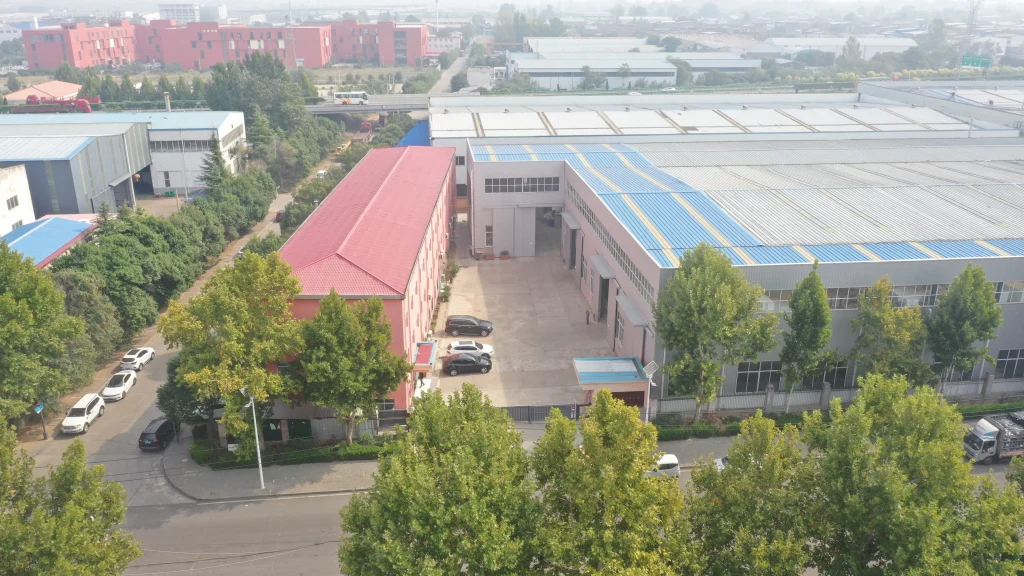
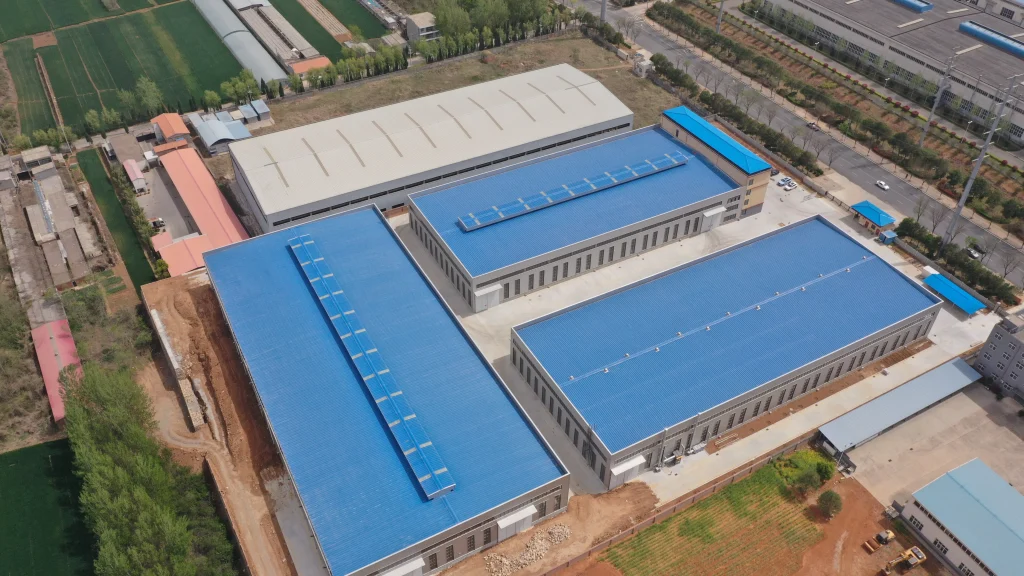
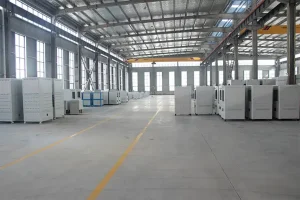
Is fiontar gairmiúil atá ag speisialú i seirbhísí teicneolaíochta cóireála teasa agus an R&D, déantúsaíocht, agus díolachán foirnéisí leictreacha ardteochta.
Díríonn an chuideachta ar fhoirnéisí leictreacha ardteochta a fhorbairt a chlúdaíonn raon teochta iomlán de -100 ℃ go 2600 ℃. Áirítear ar a chuid táirgí foirnéisí leictreacha turgnamhacha, foirnéisí atmaisféar bhfolús, áitheanna tionsclaíochta, agus trealamh téimh ionduchtaithe meánmhinicíochta. I measc na dtáirgí is mó tá foirnéisí bosca, foirnéisí feadán, foirnéisí ardaithe, áitheanna pusher, foirnéisí bogie, áitheanna rothlacha, áitheanna tolláin, agus foirnéisí meán-minicíochta speisialaithe éagsúla.
Cloíonn an chuideachta le nuálaíocht theicneolaíoch agus tá deimhnithe ISO9001 agus CE an AE faighte aici. Is leis 21 trádmharcanna cláraithe, 29 paitinní, agus 27 cóipchearta bogearraí.
Modhanna Íocaíochta
TT
Modhanna Loingsiú
Tá an foirnéis leictreach pacáistithe i dtrí shraith: fillte ar dtús i páipéar cúr, fillte ansin i scannán plaisteach, agus ar deireadh pacáilte i gcliathbhosca adhmaid.
Ceisteanna Coitianta (CCanna)
- What are the advantages of the dual-channel structure compared to single-channel kilns?
The dual-channel structure not only doubles production capacity but also utilizes waste heat exchange technology to reduce energy consumption by over 35%.
- Can channels A and B produce different products simultaneously?
Tá. The temperature and process parameters for each channel can be set independently, allowing for the simultaneous firing of products with different specifications or materials.
- What is the service life of the kiln?
Thanks to the use of high-purity corundum refractory structures and an optimized thermal design, the kiln requires no major overhaul for over three years under normal operating conditions.
- Is remote monitoring supported?
Tá. Operational status can be monitored in real-time via the touchscreen interface, PC client, or mobile app.
- What type of pusher system is used?
It employs a hydraulic pusher system that ensures smooth operation and features rapid advance, slow retract, and continuous speed adjustment capabilities.