Luoyang Anjing Intelligence Equipment ist ein weltweit führender Anbieter von Hochtemperatur-Elektroöfen



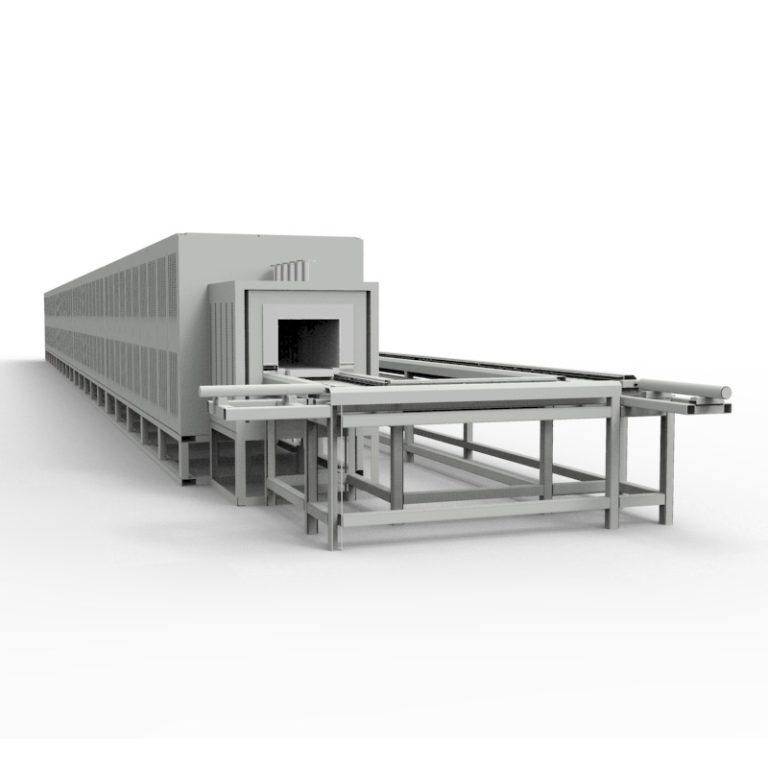
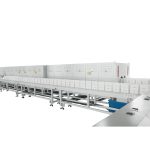
1700°C High-Temperature, Fully Automatic, Internal-Circulation Electric Push-Plate Kiln with Opposing Dual Ports


PRODUKTPARAMETER
Beschreibung
1700°C High-Temperature, Fully Automatic, Dual-Channel Counter-Flow Pusher-Plate Electric Kiln
This 1700°C high-temperature, fully automatic, dual-channel counter-flow electric Push-Plate kiln is designed for the continuous sintering of alumina ceramics, electronic ceramics, structural ceramics, advanced ceramics, and high-performance inorganic materials. Featuring an innovative dual-channel counter-flow structure, a fully automatic hydraulic pushing system, and intelligent digital temperature control technology, the equipment delivers high productivity, low energy consumption, excellent temperature uniformity, and long-term stable operation.
The kiln has a maximum design temperature of 1730°C and a continuous operating temperature of 1680°C. It utilizes an independent dual-channel operating mode, allowing it to simultaneously meet the sintering requirements of different ceramic products. Through dual-channel waste heat recovery technology, thermal energy utilization is significantly enhanced—achieving energy savings of over 35% compared to traditional single-channel pusher-plate kilns—making it an ideal solution for the continuous production of modern advanced ceramics.
Produktmerkmale
- Modular Structure with Dual Opposing Channels
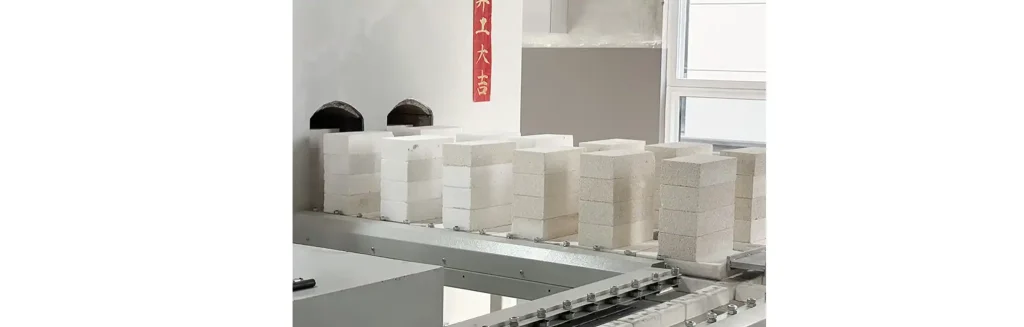
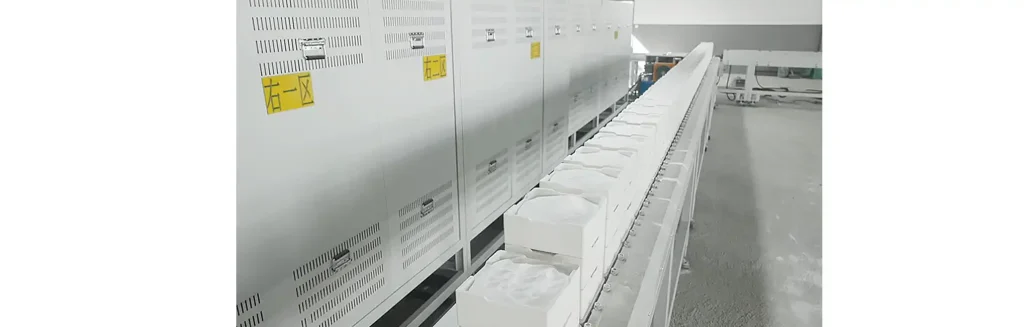
The furnace features two parallel channels arranged in an opposing dual-bore configuration, doubling the production capacity compared to single-bore kilns. Fully automated internal circulation reduces labor intensity and effectively boosts production efficiency. Independent temperature control for the two channels allows Channels A and B to be configured separately for sintering 95-grade and 99-grade ceramics, offering process flexibility.
- Uniform and Stable Temperature
Thanks to a unique structural design and optimized control and power distribution strategies, the furnace achieves optimal temperature stability and uniformity within ±5°C. Temperature stability is maintained at ±1°C/h. The system utilizes 8 heating zones and 8-point temperature control; this multi-zone, multi-point control minimizes the formation of closed pores, significantly enhancing the sintering quality of the products.
- Fully Automated Internal Circulation and Advanced Pusher System
The equipment utilizes a hydraulic pusher system featuring a “fast-advance/slow-retract” mechanism; the slow-retract time is only 10 seconds, preventing temperature fluctuations caused by the pusher’s movement. It delivers a main thrust of 8–10 tons, with a continuously adjustable pushing speed ranging from 200 to 800 mm/h (standard operating speed: 300 mm/h). The propulsion assembly consists of one main pusher and three auxiliary pushers.
- Optimized High-Temperature Structure and Long Kiln Lifespan
The furnace chamber features a dual-channel structure supported by a central pillar, with heating elements arranged on the left, center, and right sides. High-purity, low-silicon corundum is used for the high-temperature zone of the chamber, while machine-pressed, sintered 99-grade wear-resistant corundum is used for the slide rails.
- Comprehensive Exhaust and Venting System
The furnace chamber is designed with dedicated roof vents to exhaust high-temperature, contaminated gases. Exhaust stacks are located at the kiln entrance, with two stacks serving each channel.
| Category | Parameter | Value |
|---|---|---|
| Main Dimensions | Furnace Chamber Dimensions (L×B×H) | 15960×240×350 mm, two-hole opposing |
| Effective Working Chamber Dimensions (L×B×H) | 15960×240×300 mm, two-hole opposing | |
| Pusher Plate Dimensions (L×B×H) | 240×240×50 mm, Corundum Mullite | |
| Furnace Exterior Dimensions (L×B×H) | Approx. 21000×2000×1750 mm | |
| Temperature Control Cabinet | Mechatronic integration with furnace body | |
| Thermal Parameters | Rated Temperature | Max: 1730℃ |
| Working Temperature | NOR: 1680℃ (SK temperature cone standard) | |
| Temperature Control Zones | 8 heating zones, 8-point temperature control | |
| Heating Power | Max: 150KW, Normal operating power: 80KW | |
| Stromversorgung | 3P-AC380V/220V-50HZ | |
| High-Temperature Zone Uniformity | ≤ ±5℃ | |
| Furnace Temperature Stability | ±1℃/h | |
| Furnace Exterior Surface Temperature Rise | ≤50℃ (measured away from heating element outlets, interfaces, and thermocouple outlets) | |
| Furnace Atmosphere | Air | |
| Exhaust Chimney | 2 per kiln hole at both front ends of the kiln | |
| Pusher Parameters | Pusher Speed | 200–800 mm/h, continuously adjustable |
| Normal Speed | 300 mm/h (process time) | |
| Main Pusher Thrust | 8-10 tons | |
| Stroke | ≥750 mm | |
| Pusher System Composition | 1 main pusher, 3 auxiliary pushers |
Anwendungsbereiche
- Firing of 95% Und 99% Alumina Ceramics: Specifically designed for the firing process of dry-pressed alumina ceramics. Independent temperature control for the A and B channels allows for the simultaneous sintering of 95% Und 99% alumina ceramics, offering process flexibility and consistent quality.
- Mass Production of Advanced Ceramics: Suitable for the continuous mass production of advanced ceramic materials such as zirconia, Siliziumnitrid, und Siliziumkarbid. The dual-channel, opposing-flow structure doubles production capacity and reduces energy consumption, making it ideal for large-scale manufacturing.
- Firing of Electronic Ceramics: Suitable for the batch sintering of functional electronic ceramics, including piezoelectric ceramics, dielectric ceramics, and PTC/NTC thermistors.
- Sintering of Powder Metallurgy Products: Suitable for the continuous sintering of iron-based and copper-based powder metallurgy products. The hydraulic pusher system ensures smooth operation and uniform heating of the products.
- Refractory Materials and Specialty Ceramics: Suitable for the batch firing of high-grade refractory materials and specialty ceramic products. With a maximum operating temperature of 1730°C, it meets the requirements for ultra-high-temperature sintering.
Unternehmensprofil
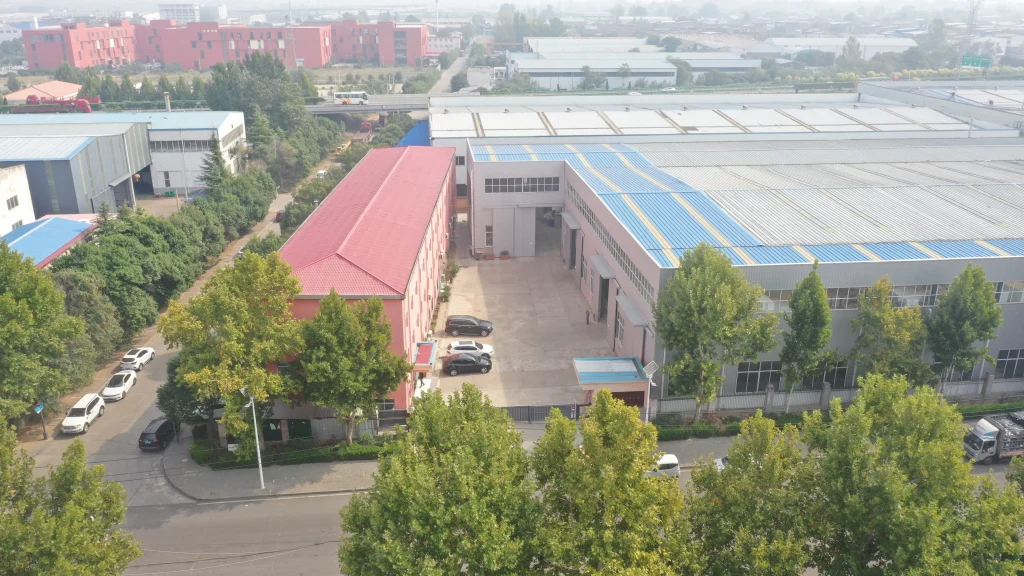
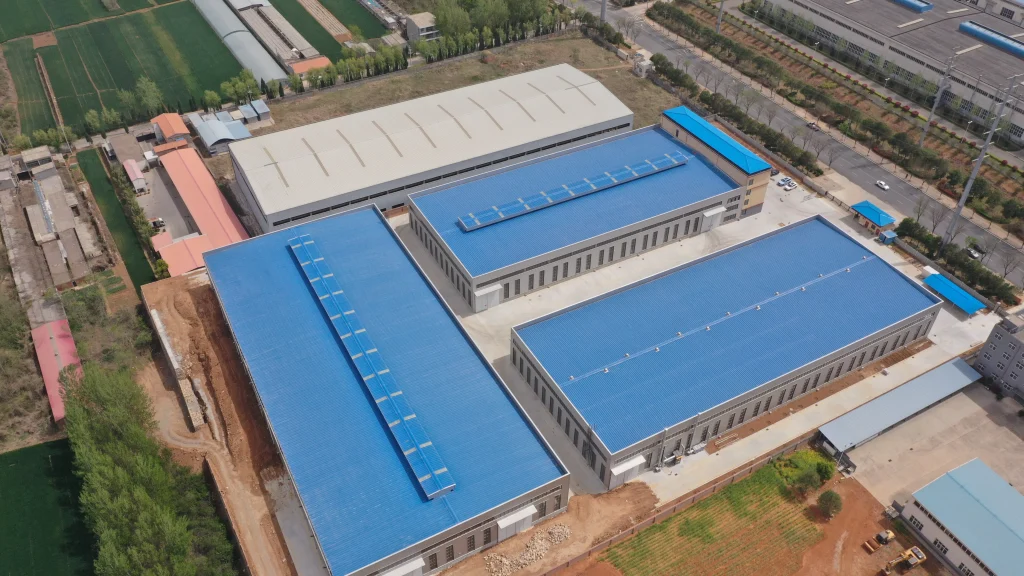
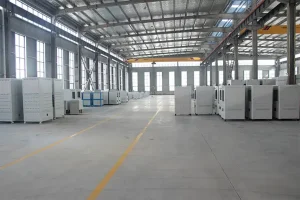
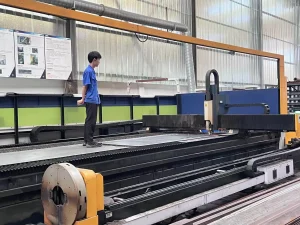
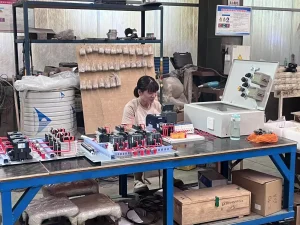
Ein professionelles Unternehmen, das sich auf Dienstleistungen im Bereich Wärmebehandlungstechnologie und die R. spezialisiert hat&D, Herstellung, und Vertrieb von Hochtemperatur-Elektroöfen.
Das Unternehmen konzentriert sich auf die Entwicklung von Hochtemperatur-Elektroöfen, die einen gesamten Temperaturbereich von -100℃ bis 2600℃ abdecken. Zu seinen Produkten gehören experimentelle Elektroöfen, Vakuumatmosphärenöfen, Industrieöfen, und Mittelfrequenz-Induktionsheizgeräte. Zu den Hauptprodukten gehören Kastenöfen, Rohröfen, Hebeöfen, Schuböfen, Drehgestellöfen, Drehrohröfen, Tunnelöfen, und verschiedene spezialisierte Mittelfrequenzöfen.
Das Unternehmen setzt auf technologische Innovation und hat die ISO9001- und EU-CE-Zertifizierungen bestanden. Es besitzt 21 eingetragene Marken, 29 Patente, Und 27 Software-Urheberrechte.
Zahlungsmethoden
TT
Versandarten
Der Elektroofen ist in drei Schichten verpackt: zunächst in Schaumstoffpapier eingewickelt, dann in Plastikfolie eingewickelt, und schließlich in einer Holzkiste verpackt.
Häufig gestellte Fragen (FAQ)
- What are the advantages of the dual-channel structure compared to single-channel kilns?
The dual-channel structure not only doubles production capacity but also utilizes waste heat exchange technology to reduce energy consumption by over 35%.
- Can channels A and B produce different products simultaneously?
Ja. The temperature and process parameters for each channel can be set independently, allowing for the simultaneous firing of products with different specifications or materials.
- What is the service life of the kiln?
Thanks to the use of high-purity corundum refractory structures and an optimized thermal design, the kiln requires no major overhaul for over three years under normal operating conditions.
- Is remote monitoring supported?
Ja. Operational status can be monitored in real-time via the touchscreen interface, PC client, or mobile app.
- What type of pusher system is used?
It employs a hydraulic pusher system that ensures smooth operation and features rapid advance, slow retract, and continuous speed adjustment capabilities.