Luoyang Anjing Intelligence Equipment are a global leader in high-temperature electric furnaces



Ultra-High Temperature Ceramic Fiber Board

PRODUCT PARAMETERS
Description
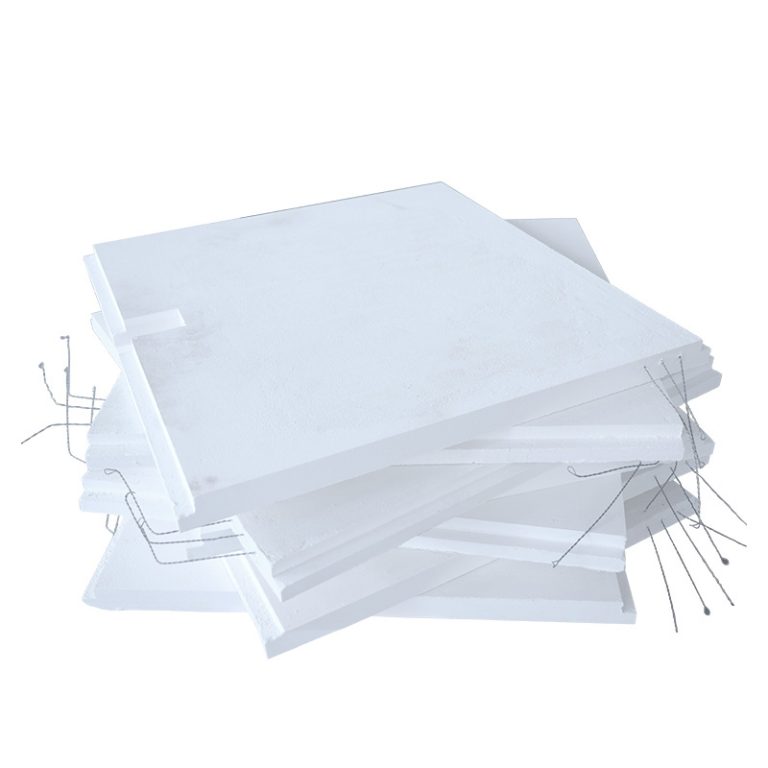
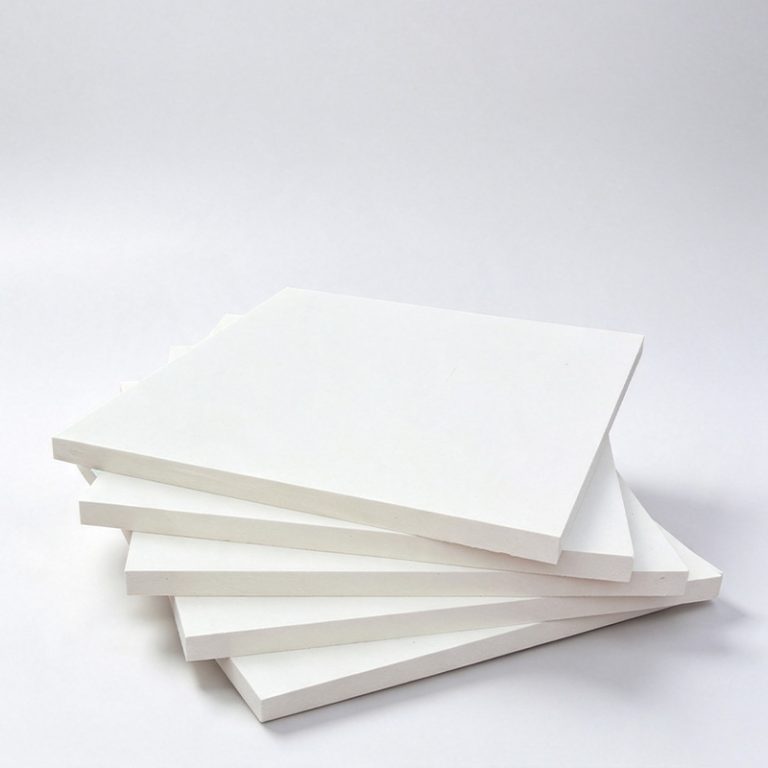
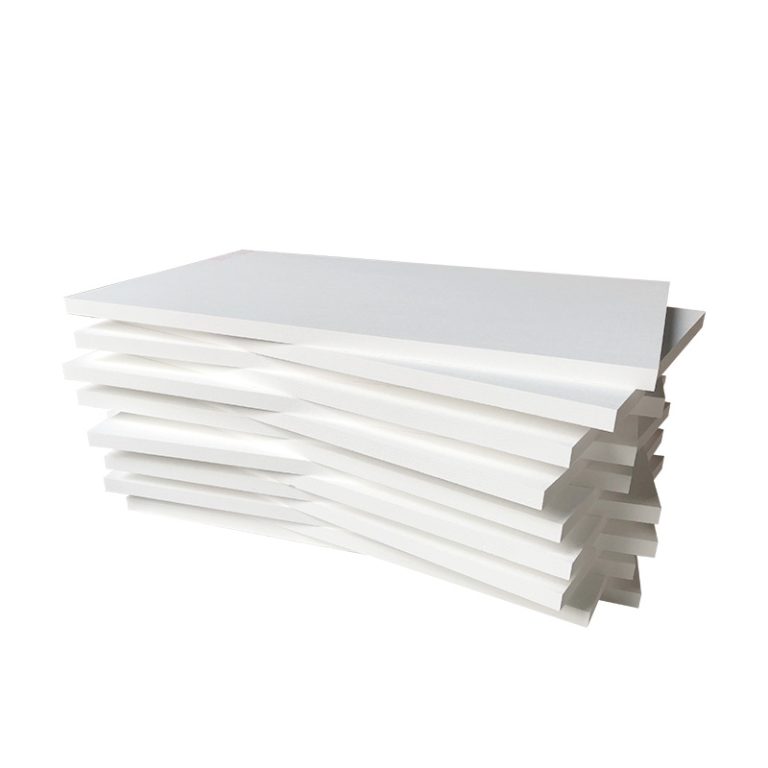
Ultra-high temperature ceramic fiber board
Ultra-high temperature ceramic fiber board is manufactured from high-quality ceramic fiber raw materials using a vacuum forming process. It features high temperature resistance, low thermal conductivity, good thermal stability, light weight, and good mechanical strength. The product is widely used in thermal insulation applications for high-temperature industrial furnaces, electric heating equipment, and various thermal systems, effectively reducing heat loss and improving equipment thermal efficiency.
Fiber Board Product Features
- Ultra-high Temperature Performance, Suitable for Furnace Linings Up to 1800℃
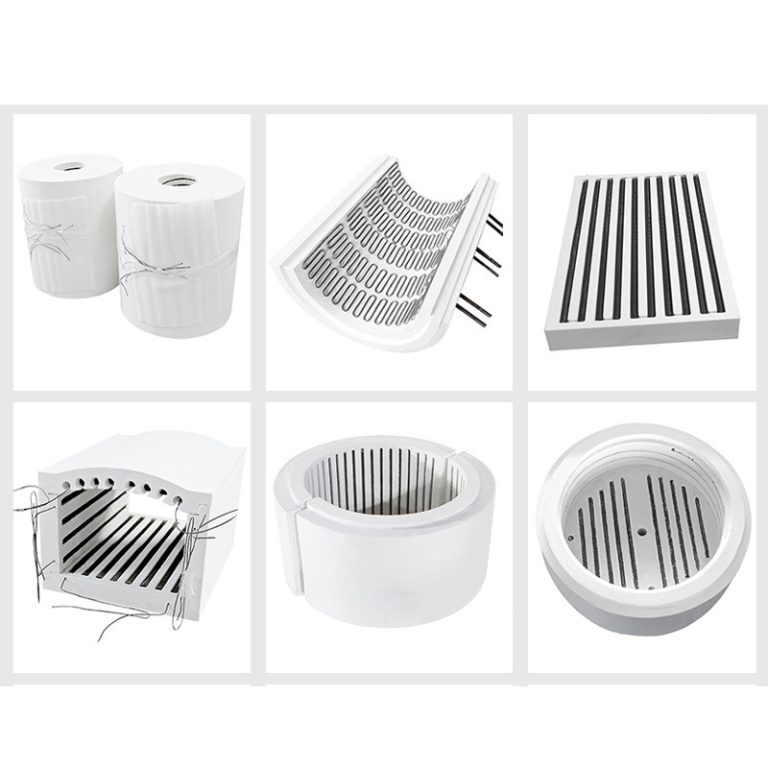
This product is an ultra-high temperature ceramic fiber board, suitable for high-temperature electric furnace linings, heat insulation and electrical insulation materials for heating devices in instruments and equipment, as well as kiln lining materials for tunnel kilns and roller kilns. It has a high temperature resistance rating and can operate stably for extended periods in ultra-high temperature environments, suitable for the heat insulation needs of various high-temperature industrial kilns.
- Low Heat Capacity and Low Thermal Conductivity, Significant Energy Saving Effect
Ceramic fiber board has the characteristics of low heat capacity and low thermal conductivity, resulting in low heat storage and rapid heating. As an electric furnace lining material, it can significantly reduce furnace heat loss, improve thermal efficiency, and achieve energy savings of over 60% compared to traditional refractory bricks.
- Resistant to Rapid Heating and Cooling, No Cracking or Slagging
The product has excellent thermal shock resistance, resisting rapid heating and cooling without cracking or slagging even after long-term use. It adapts to operating conditions with frequent temperature increases and decreases, extending the service life of the furnace lining and reducing maintenance frequency.
- Excellent Electrical Insulation Properties
It possesses excellent electrical insulation properties, making it suitable as an electrical insulation material for heating devices. It effectively prevents current leakage, ensuring safe equipment operation.
- Good Chemical Stability
It is resistant to acids and alkalis, corrosion, and does not react with the heated materials, thus not polluting the furnace environment. Suitable for high-temperature processing of various materials and processes.
- Lightweight and High-Strength, Reducing Furnace Load
Ceramic fiberboard has low density and is lightweight, significantly reducing the structural load on the furnace compared to traditional refractory bricks. This lowers the load-bearing requirements on the furnace steel structure and facilitates transportation and installation.

| Parameter | KD-FR-1000 | KD-FR-1260 | KD-FR-1420 | KD-FR-1500 | KD-FR-1600 | KD-FR-1700 | KD-FR-1800 | KD-FR-1850 |
|---|---|---|---|---|---|---|---|---|
| Max. service temperature (°C) | 1000 | 1260 | 1420 | 1500 | 1600 | 1700 | 1800 | 1850 |
| Long-term service temperature (furnace temp.) (°C) | 950 | 1200 | 1350 | 1450 | 1550 | 1650 | 1750 | 1800 |
| Bulk density (kg·cm⁻³) | 300-600 | 300-600 | 400-700 | 400-700 | 400-700 | 400-700 & 450-700 | 450-700 | 500-700 |
| Thermal conductivity (W·(m·K)⁻¹) | 0.14 | 0.145 | 0.155 | 0.15 | 0.155 | 0.16 | 0.17 | 0.2 |
| Linear shrinkage on heating (%) | ||||||||
| at 1000°C | ≤1 | / | / | / | / | / | / | / |
| at 1200°C | ≤0.5 | ≤0.2 | ≤0.2 | ≤0.2 | ≤0.2 & ≤0.3 | ≤0.3 | ≤0.3 | ≤0.8 |
| at 1400°C | / | / | ≤1 | ≤0.2 | ≤0.2 | ≤0.2 | ≤0.2 | ≤0.5 |
| at 1500°C | / | / | / | ≤1 | ≤0.2 | ≤0.2 | ≤0.2 | ≤0.5 |
| at 1600°C | / | / | / | / | ≤2 | ≤0.3 | ≤0.3 | ≤0.8 |
| at 1700°C | / | / | / | / | / | ≤2 | ≤0.6 | ≤0.6 |
| at 1800°C | / | / | / | / | / | / | ≤2 | ≤0.8 |
Fiber Board Application Areas
- High-Temperature Electric Furnace Linings: Suitable for the insulation and heat preservation layers of various high-temperature electric furnaces, including box furnaces, pit furnaces, bogie furnaces, and lifting furnaces. Ultra-high temperature type is particularly suitable for 1600℃-1800℃ ultra-high temperature electric furnaces.
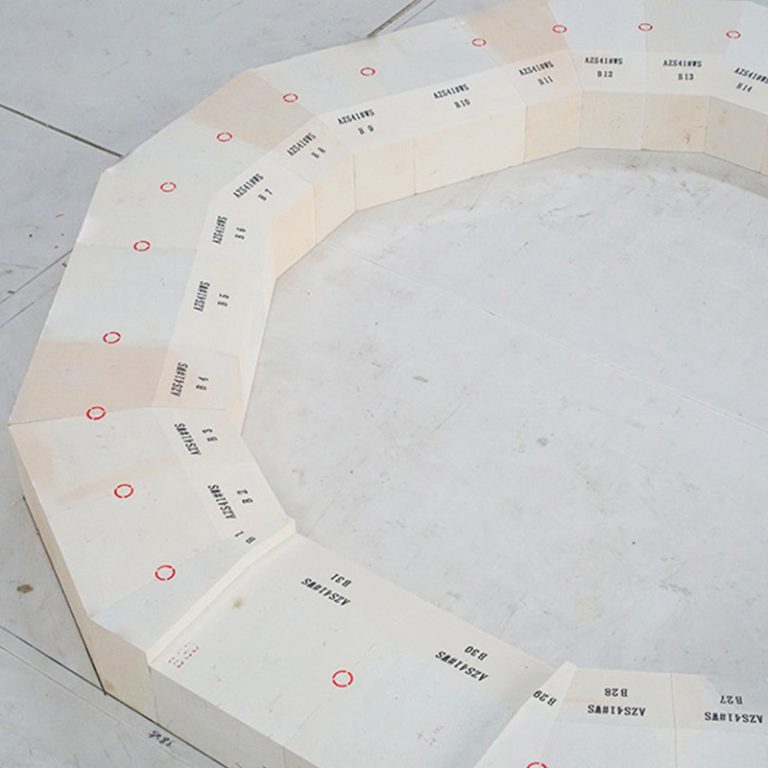
- Tunnel Kiln Linings: Suitable for the insulation of tunnel kiln linings in the ceramics and refractory materials industries. Low heat capacity facilitates rapid heating and cooling, improving kiln turnover efficiency.
- Roller Kiln Linings: Suitable for the insulation layer of roller kilns in the electronic ceramics and advanced ceramics industries. Lightweight and high-strength characteristics reduce the load on the kiln body and facilitate installation.
- Insulation for Heating Devices in Instruments and Equipment: Suitable for the insulation and electrical insulation of various heating equipment, such as heat treatment equipment, drying equipment, and heating platforms.
- High-Temperature Experimental Equipment: Suitable for the insulation and heat preservation layers of high-temperature tube furnaces, atmosphere furnaces, and other experimental equipment in research institutes and university laboratories.
- Energy-saving retrofit of industrial kilns: applicable to the energy-saving retrofit of traditional refractory brick kilns, replacing old furnace lining materials, reducing energy consumption, and improving thermal efficiency.
Company Profile
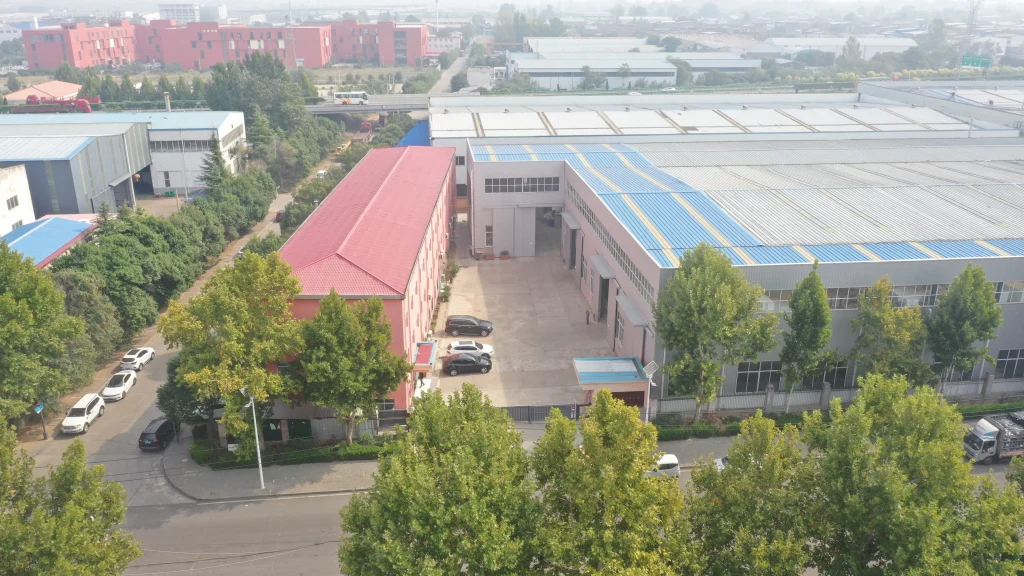
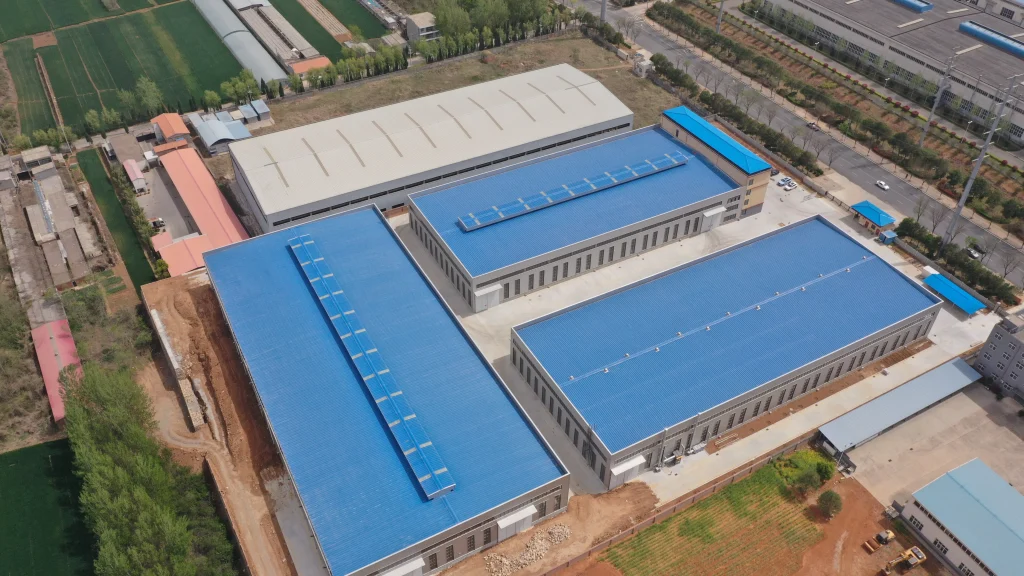
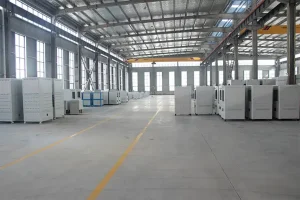
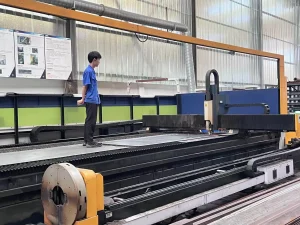
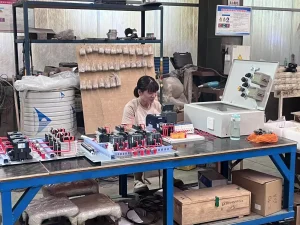
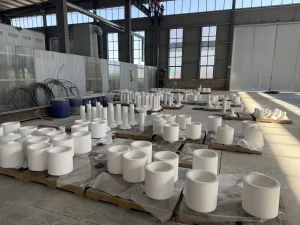
A professional enterprise specializing in heat treatment technology services and the R&D, manufacturing, and sales of high-temperature electric furnaces.
The company focuses on developing high-temperature electric furnaces covering a full temperature range of -100℃ to 2600℃. Its products include experimental electric furnaces, vacuum atmosphere furnaces, industrial kilns, and medium-frequency induction heating equipment. Main products include box furnaces, tube furnaces, lifting furnaces, pusher kilns, bogie furnaces, rotary kilns, tunnel kilns, and various specialized medium-frequency furnaces.
The company adheres to technological innovation and has passed ISO9001 and EU CE certifications. It owns 21 registered trademarks, 29 patents, and 27 software copyrights.
Payment Methods
TT
Shipment Methods
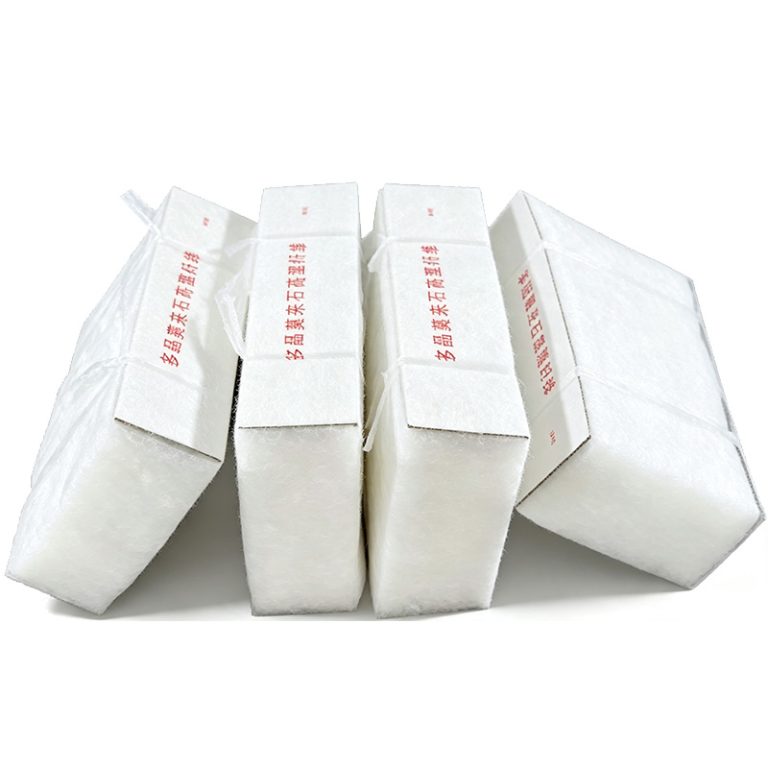
The electric furnace is packaged in three layers: first wrapped in foam paper, then wrapped in plastic film, and finally packed in a wooden crate.
Fiber Board Frequently Asked Questions (FAQ)
- What equipment is ultra-high temperature ceramic fiberboard mainly used in?
Ultra-high temperature ceramic fiberboard is widely used in the thermal insulation and electrical insulation structures of high-temperature electric furnaces, box furnaces, tube furnaces, vacuum furnaces, atmosphere furnaces, heat treatment furnaces, tunnel kilns, roller kilns, and various industrial heating equipment.
- What are the advantages of ceramic fiberboard compared to traditional refractory bricks?
Ceramic fiberboard is lightweight, has low thermal conductivity, low heat storage capacity, and fast heating speed. Compared with traditional refractory bricks, it can effectively reduce furnace heat loss, improve thermal efficiency, and help shorten equipment heating time.
- Does ceramic fiberboard have electrical insulation properties?
It has good electrical insulation properties and can be used in the insulation and thermal insulation structures around heating elements of high-temperature electric furnaces and in the thermal insulation parts of various high-temperature electrical equipment.
- Can the product be used directly as furnace lining material?
Yes. Ultra-high temperature ceramic fiber boards can be used as the working layer, backing layer, or insulation layer in high-temperature electric furnaces, tunnel kilns, roller kilns, and other equipment. The specific structure can be designed according to the furnace temperature and process requirements.
- What precautions should be taken during product installation?
During installation, avoid violent impacts and excessive pressure, and secure the product properly according to the equipment structure. For high-temperature furnace lining applications, it is recommended to install in layers according to the furnace design requirements to achieve better insulation performance.