Luoyang Anjing Intelligence Equipment are a global leader in high-temperature electric furnaces



Corundum Mullite Crucible for High Temperature Applications

PRODUCT PARAMETERS
Description
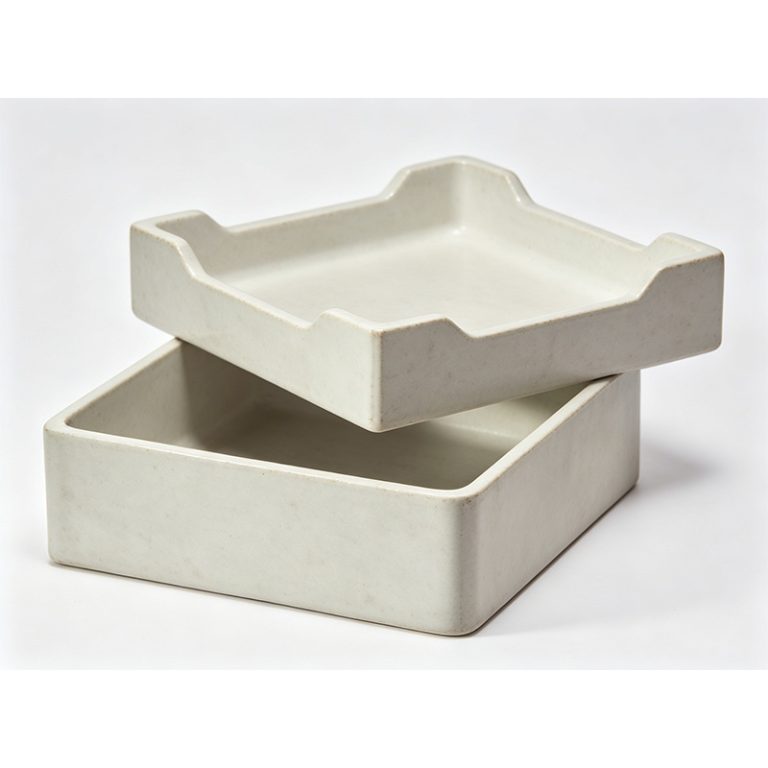
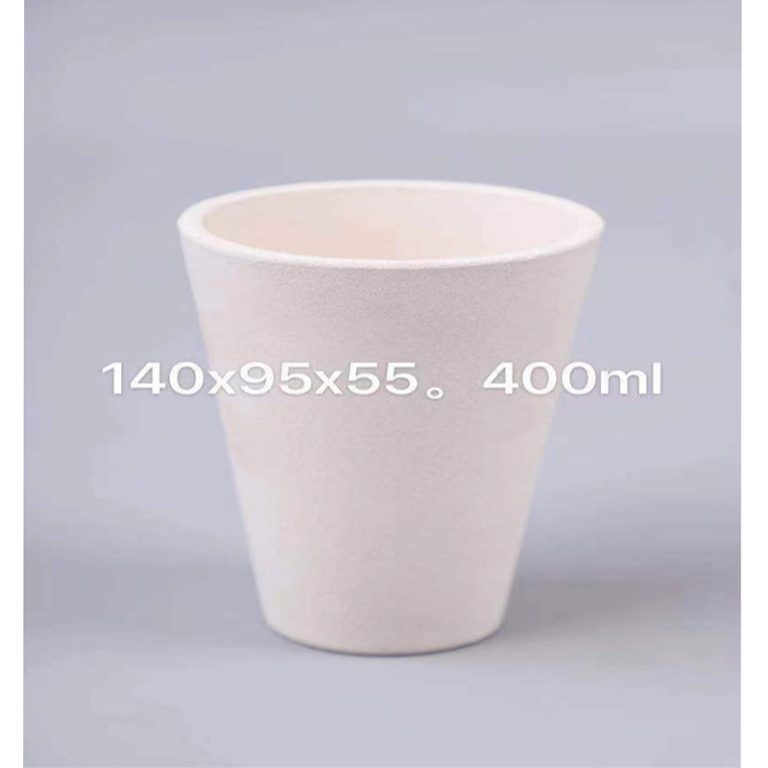
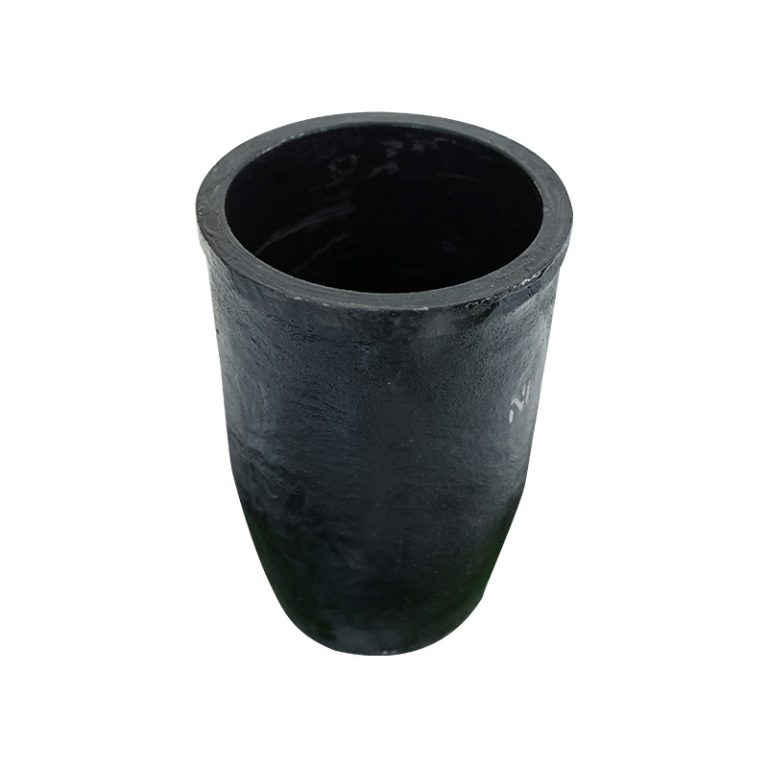
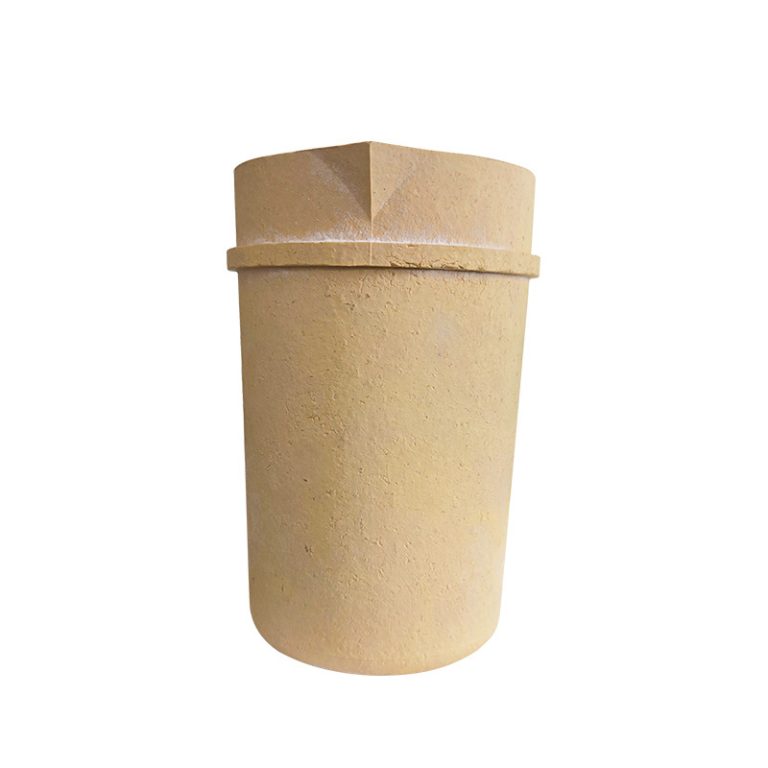
Corundum-Mullite Crucibles
Corundum-Mullite crucibles are made from a composite of two high-performance refractory materials: corundum (α-Al₂O₃) and mullite (3Al₂O₃·2SiO₂). They are manufactured through high-pressure molding and high-temperature sintering. The products combine the high strength, high hardness, and high refractoriness of corundum with the excellent thermal shock resistance and high-temperature creep resistance of mullite, resulting in excellent overall performance.
The alumina (Al₂O₃) content of corundum-mullite crucibles is typically 75%–85%, with a bulk density of approximately 2.6–3.1 g/cm³, and a maximum operating temperature of up to 1700℃. The products exhibit excellent high-temperature resistance, thermal shock resistance, wear resistance, and chemical corrosion resistance.
Product Features
- Corundum-Mullite Dual-Phase Design for Synergistic Performance Optimization
Composed of two high-temperature phases, corundum (α-Al₂O₃) and mullite (3Al₂O₃·2SiO₂), this design organically combines the high strength, high hardness, and high refractoriness of corundum with the excellent thermal shock resistance and high-temperature creep resistance of mullite. Al₂O₃ content is 75%-85%, with a bulk density of 2.6-3.1 g/cm³.
- Excellent High-Temperature Resistance, No Deformation During Long-Term Use
The corundum phase imparts high refractoriness and high-temperature structural strength to the crucible, while the mullite phase provides excellent high-temperature creep resistance. It can be used stably at 1700℃ for extended periods without deformation or collapse, making it suitable for long-term high-temperature processes.
- Excellent Thermal Shock Resistance
The low coefficient of thermal expansion of the mullite phase gives the crucible excellent thermal shock resistance, making it less prone to cracking under rapid heating and cooling conditions. Adaptable to batch production processes with frequent temperature increases and decreases, extending crucible lifespan.
- Good chemical stability and corrosion resistance
The multiphase structure exhibits excellent corrosion resistance to most metals and alloys (including iron, cobalt, nickel-based alloys, copper, aluminum, etc.). It does not readily react with molten metals or fluxes, does not contaminate materials, and ensures product quality.

| Material | Max Service Temperature | Main Composition |
|---|---|---|
| High-purity quartz | 1680℃ | SiO₂ content ≥ 99% |
| Mullite (60%~70% alumina) | 1600℃ | Al₂O₃ content 60~70% SiO₂ content 30~40% |
| 99% alumina (Corundum) | 1750℃ | Al₂O₃ content ≥ 99% |
| Cordierite sagger | 1300℃ | Al₂O₃ content ~52% SiO₂ content ~40% MgO content ~8% |
| Zirconia | 2200℃ | ZrO₂ + HfO₂ content ≥ 95% |
| Corundum-mullite | 1700℃ | Al₂O₃ content 75~85% SiO₂ content 15~25% |
| Zirconia-mullite | 1600℃ | ZrO₂ content 10~40% Al₂O₃ content 45~70% SiO₂ content 10~20% |
| Magnesia-alumina (Magnesia spinel / Mag-Alumina) | 1800℃ | MgO content 3~15% Al₂O₃ content >90% SiO₂ content <5% |
| Zirconia-alumina (Zirconia-corundum) | 1800℃ | ZrO₂ content 20~40% Al₂O₃ content 60~80% |
Application Areas
- Metallurgy and Casting: Suitable for smelting, heat treatment, and casting of metals and alloys such as iron, steel, copper, aluminum, and zinc.
- Advanced Ceramic Sintering: Suitable for sintering and heat treatment of ceramic materials such as alumina, zirconium oxide, and barium titanate.
- Powder Metallurgy: Suitable for sintering and forming metal powders and alloy powders. Corrosion resistance meets the requirements of various powder metallurgy processes.
- Specialty Glass Melting: Suitable for melting processes of special glasses, microcrystalline glass, and other materials.
- Universities and Research Institutes: Suitable for high-temperature experimental teaching and research projects in materials science and engineering, metallurgical engineering, and other related majors.
- Industrial and Mining Enterprises: Suitable for mass production, process verification, and other scenarios. Excellent overall performance, high cost-effectiveness, and suitable for repeated use under various high-temperature conditions.
Company Profile
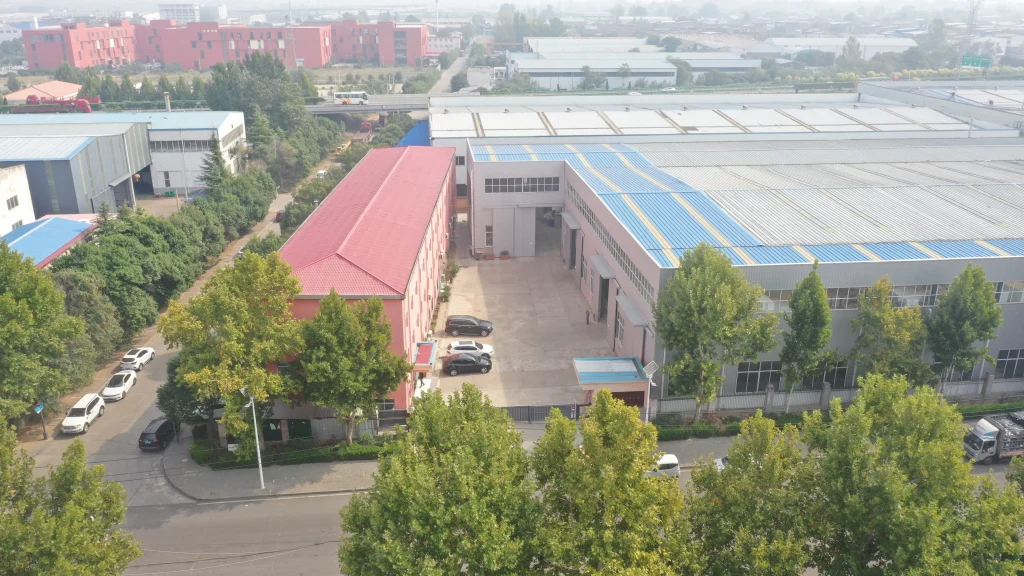
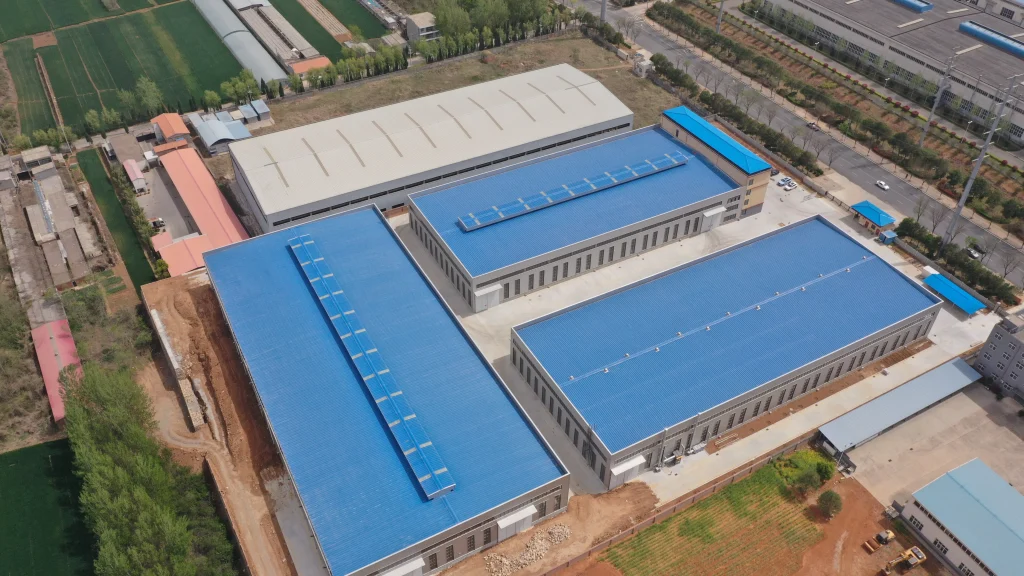
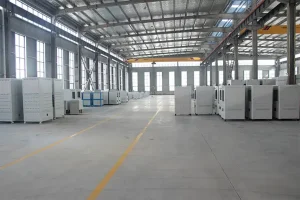
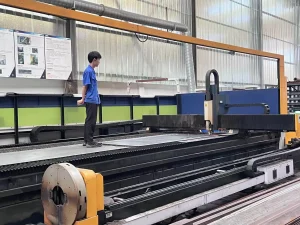
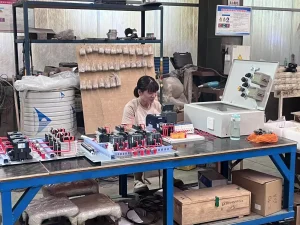
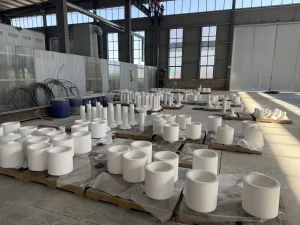
A professional enterprise specializing in heat treatment technology services and the R&D, manufacturing, and sales of high-temperature electric furnaces.
The company focuses on developing high-temperature electric furnaces covering a full temperature range of -100℃ to 2600℃. Its products include experimental electric furnaces, vacuum atmosphere furnaces, industrial kilns, and medium-frequency induction heating equipment. Main products include box furnaces, tube furnaces, lifting furnaces, pusher kilns, bogie furnaces, rotary kilns, tunnel kilns, and various specialized medium-frequency furnaces.
The company adheres to technological innovation and has passed ISO9001 and EU CE certifications. It owns 21 registered trademarks, 29 patents, and 27 software copyrights.
Payment Methods
TT
Shipment Methods
The electric furnace is packaged in three layers: first wrapped in foam paper, then wrapped in plastic film, and finally packed in a wooden crate.
Frequently Asked Questions (FAQ)
- What is the maximum temperature a corundum-mullite crucible can withstand?
The maximum operating temperature of a corundum-mullite crucible is 1700℃. It is recommended to use it within the recommended temperature range for extended periods, depending on actual process conditions, to achieve a longer service life.
- What are the advantages of corundum-mullite crucibles?
This product combines the high strength and high refractoriness of corundum with the excellent thermal shock resistance of mullite. It features high temperature resistance, crack resistance, wear resistance, corrosion resistance, and a long service life, making it a high-performance high-temperature refractory container.
- What materials are suitable for melting and sintering?
This product is suitable for melting most metals and alloys, and is also widely used in ceramics, powder materials, lithium battery materials, magnetic materials, and other high-temperature sintering and heat treatment processes.
- How to extend the service life of a corundum-mullite crucible?
Preheating is recommended before first use. Avoid rapid heating and cooling during the heating and cooling process. Properly control the loading amount, avoid mechanical impact, and regularly check the crucible for cracks or wear to effectively extend its service life.
- Do you support customized specifications and shapes?
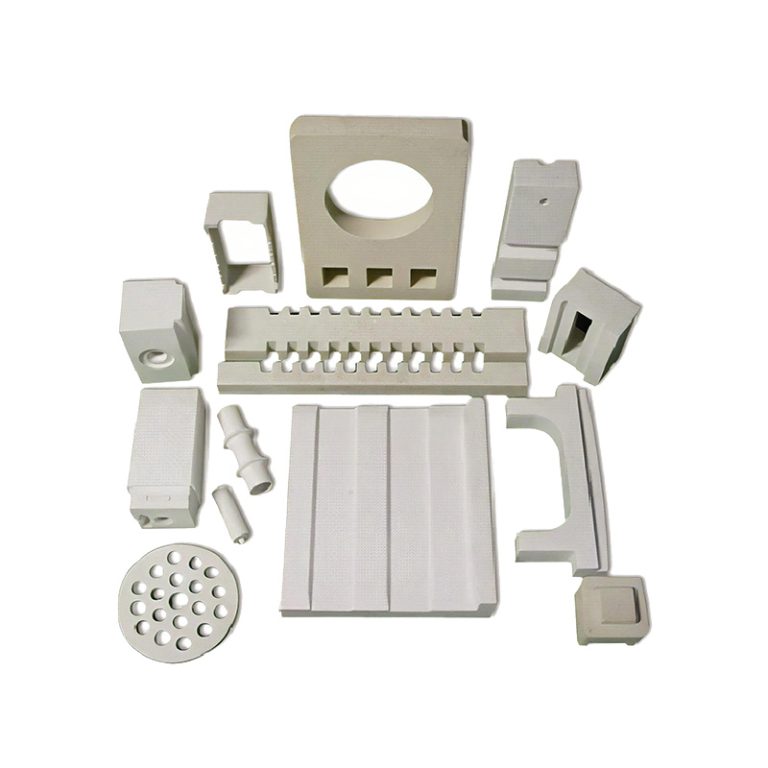
Yes. We can customize corundum-mullite crucibles of different sizes, capacities, wall thicknesses, shapes, and special structures according to customer-provided drawings or technical requirements to meet different application needs in laboratory research and development and industrial production.