Luoyang Anjing Intelligence Equipment are a global leader in high-temperature electric furnaces



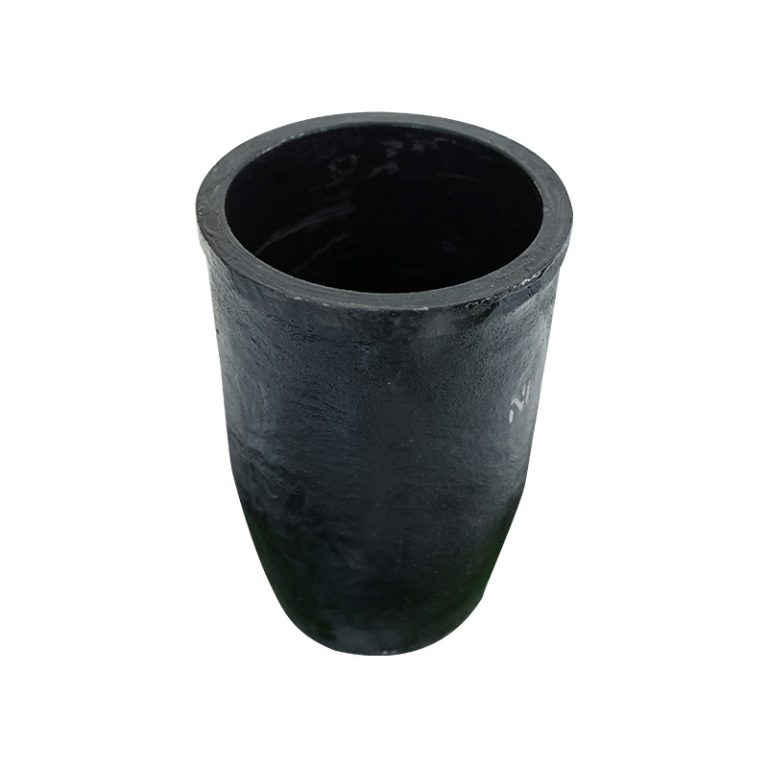
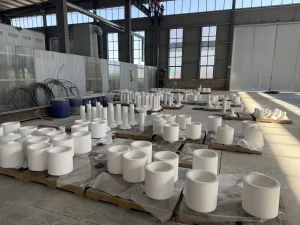
High Temperature Zirconia Corundum Crucible

PRODUCT PARAMETERS
Description
Zirconia-Corundum Crucible
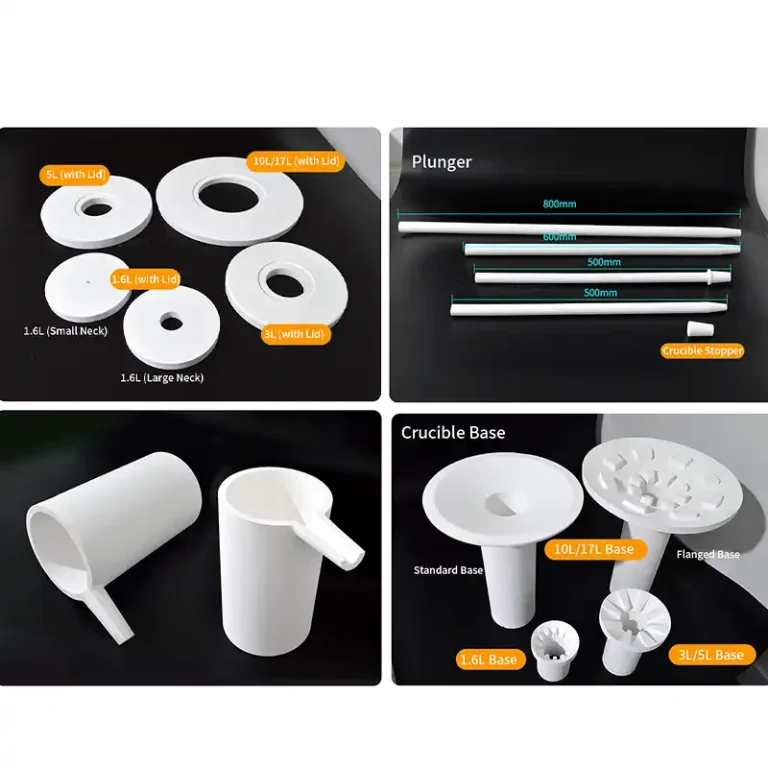
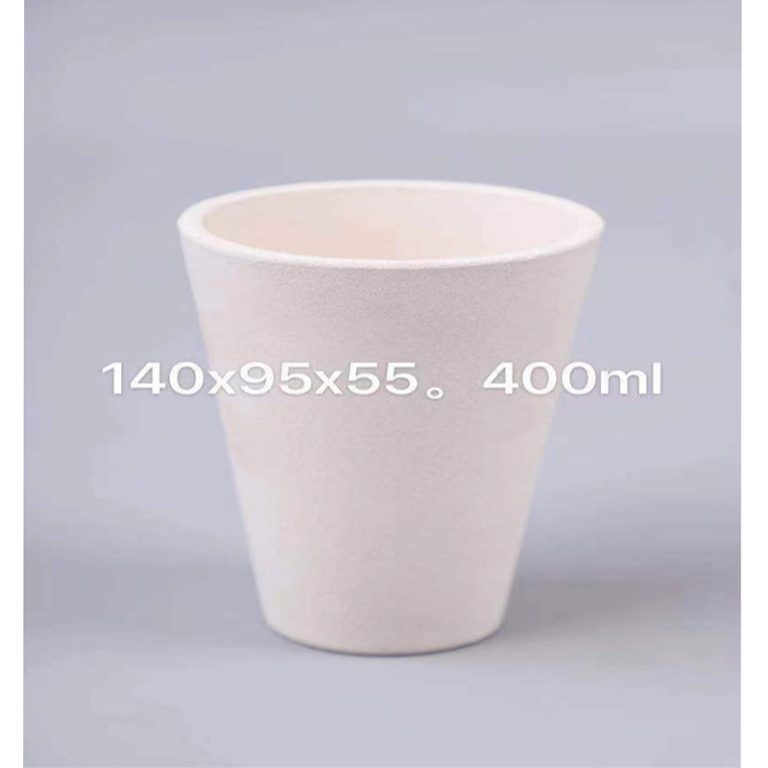
Zirconia-Corundum Crucibles are composite sintered from high-purity alumina (Al₂O₃) and zirconium oxide (ZrO₂), resulting in a high-performance refractory ceramic product that combines high strength, high refractoriness, and excellent thermal shock resistance. Depending on the zirconium oxide content, the product is typically available in two specifications: 25# and 40# zirconia-Corundum, to meet the needs of different high-temperature applications.
The product’s bulk density is generally ≥4.0 g/cm³, with a maximum operating temperature of 1800℃, and it can operate stably for extended periods in high-temperature environments up to 1750℃. Zirconia-Corundum Crucibles exhibit excellent high-temperature stability, resistance to melt erosion, thermal shock resistance, and mechanical strength.
Product Features
- Alumina-Zirconium Oxide Dual-Phase Design, Excellent High-Temperature Performance
The materials are mainly alumina and zirconium oxide, and come in two specifications: 25# contains about 25% zirconium, and 40# contains about 40% zirconium. Alumina is resistant to high temperatures and has high strength, while zirconium oxide improves thermal stability and corrosion resistance. The combination of the two results in good overall performance.
- Ultra-High Temperature Performance, Long-Term Use at 1750℃
With a bulk density exceeding 4.0 g/cm³, a maximum operating temperature of 1800℃, and the ability to operate normally at 1750℃ for extended periods, this product exhibits high-temperature structural stability, remaining undeformed and unsoftened even after prolonged use, meeting the stringent requirements of ultra-high temperature environments.
- Extremely High Thermal Stability, No Cracking Under Rapid Temperature Changes
It possesses extremely high thermal stability, allowing for repeated normal use under rapid temperature changes. Zirconia’s phase transformation toughening mechanism effectively prevents crack propagation, ensuring the material does not crack or peel under frequent temperature fluctuations, significantly extending its service life.
- Excellent resistance to melt erosion and strong mechanical properties
It exhibits excellent resistance to various molten metals and slags, and is not easily penetrated or corroded. Simultaneously, it possesses high strength, high hardness, and excellent wear resistance, making it suitable for applications requiring high mechanical strength and corrosion resistance.

| Material | Max Service Temperature | Main Composition |
|---|---|---|
| High-purity quartz | 1680℃ | SiO₂ content ≥ 99% |
| Mullite (60%~70% alumina) | 1600℃ | Al₂O₃ content 60~70% SiO₂ content 30~40% |
| 99% alumina (Corundum) | 1750℃ | Al₂O₃ content ≥ 99% |
| Cordierite sagger | 1300℃ | Al₂O₃ content ~52% SiO₂ content ~40% MgO content ~8% |
| Zirconia | 2200℃ | ZrO₂ + HfO₂ content ≥ 95% |
| Corundum-mullite | 1700℃ | Al₂O₃ content 75~85% SiO₂ content 15~25% |
| Zirconia-mullite | 1600℃ | ZrO₂ content 10~40% Al₂O₃ content 45~70% SiO₂ content 10~20% |
| Magnesia-alumina (Magnesia spinel / Mag-Alumina) | 1800℃ | MgO content 3~15% Al₂O₃ content >90% SiO₂ content <5% |
| Zirconia-alumina (Zirconia-corundum) | 1800℃ | ZrO₂ content 20~40% Al₂O₃ content 60~80% |
Application Areas
- Ultra-high Temperature Ceramic Sintering: Suitable for pollution-free sintering of ultra-high temperature ceramic materials such as carbides, borides, and nitrides.
- Precious Metal Smelting: Suitable for high-temperature smelting and purification of precious metals such as platinum, palladium, and rhodium.
- Specialty Glass and Optical Material Melting: Suitable for melting materials with extremely high requirements for crucible materials, such as high-refractive-index specialty glasses and optical glasses.
- Single Crystal Growth: Suitable for high-temperature single crystal growth processes for YAG, sapphire, and other materials.
- Metallurgy and Casting: Suitable for smelting, heat treatment, and casting of highly reactive metals and alloys.
- Aerospace Material Heat Treatment: Suitable for heat treatment processes of ultra-high temperature materials in the aerospace field.
Company Profile
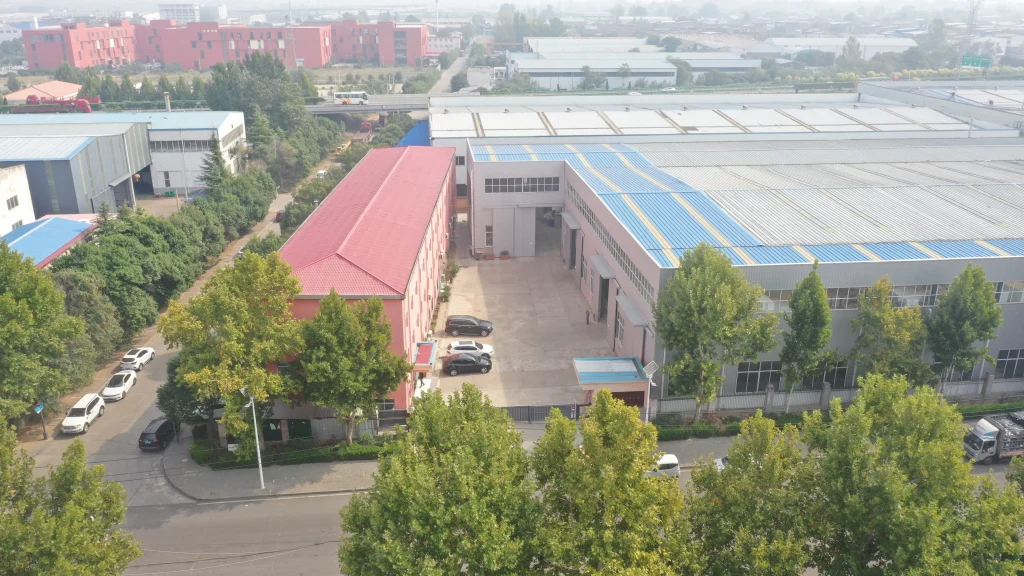
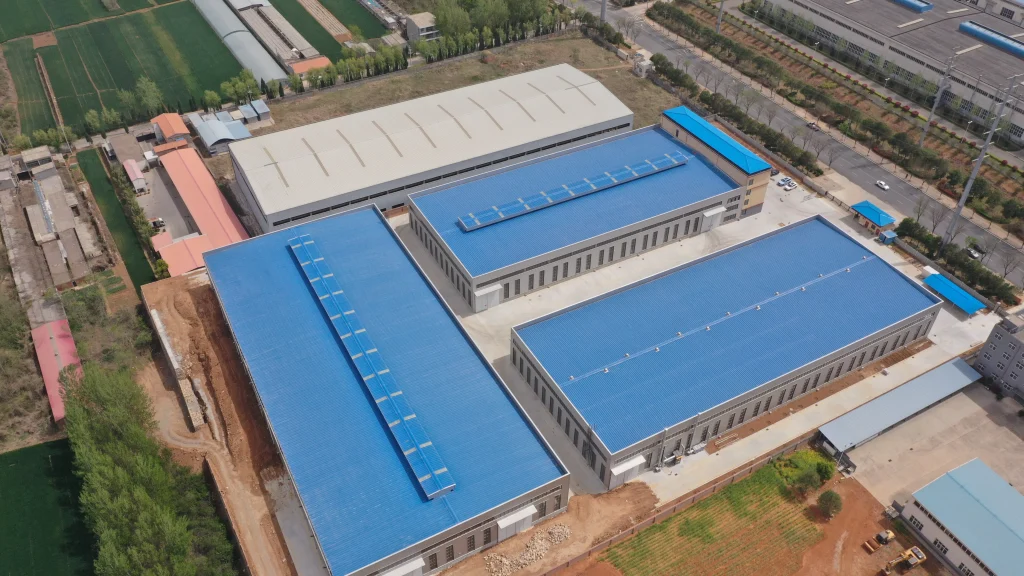
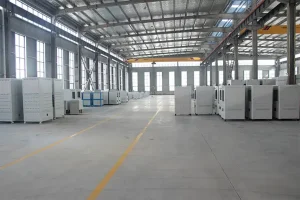
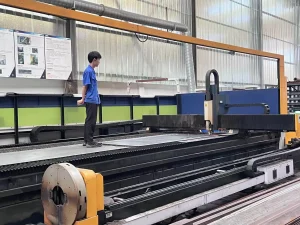
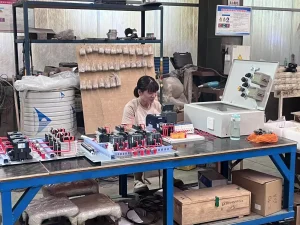
A professional enterprise specializing in heat treatment technology services and the R&D, manufacturing, and sales of high-temperature electric furnaces.
The company focuses on developing high-temperature electric furnaces covering a full temperature range of -100℃ to 2600℃. Its products include experimental electric furnaces, vacuum atmosphere furnaces, industrial kilns, and medium-frequency induction heating equipment. Main products include box furnaces, tube furnaces, lifting furnaces, pusher kilns, bogie furnaces, rotary kilns, tunnel kilns, and various specialized medium-frequency furnaces.
The company adheres to technological innovation and has passed ISO9001 and EU CE certifications. It owns 21 registered trademarks, 29 patents, and 27 software copyrights.
Payment Methods
TT
Shipment Methods
The electric furnace is packaged in three layers: first wrapped in foam paper, then wrapped in plastic film, and finally packed in a wooden crate.
Frequently Asked Questions (FAQ)
- What is the highest temperature a zirconia-alumina crucible can withstand?
Zirconium-alumina crucibles can be used at temperatures up to 1800℃, with a long-term recommended operating temperature of 1750℃. They are suitable for various high-temperature melting and sintering processes.
- What is the difference between 25# and 40# zirconia-alumina crucibles?
25# and 40# are mainly classified according to their zirconia (ZrO₂) content. Generally, the higher the zirconia content, the stronger the material’s thermal shock resistance and resistance to melt erosion. Users can choose the appropriate model based on specific process conditions.
- What are the advantages of zirconia-alumina crucibles?
Zirconium-alumina crucibles combine the high strength of alumina with the excellent thermal shock resistance of zirconia. They offer advantages such as high temperature resistance, corrosion resistance, resistance to melt erosion, high mechanical strength, and long service life, making them particularly suitable for rapid heating and cooling and continuous high-temperature production environments.
- What materials are they suitable for melting?
The products are suitable for precious metals, high-temperature alloys, specialty glasses, advanced ceramics, new energy materials, and other materials requiring high-temperature treatment and smelting, meeting diverse application needs in laboratories and industrial production.
- Do you support customized specifications and models?
Yes. We can customize zirconium alumina crucibles of different sizes, capacities, wall thicknesses, and special structures based on customer-provided drawings, samples, or technical requirements. We also offer products with different zirconium oxide content grades (e.g., 25#, 40#) to meet various high-temperature process requirements.