Luoyang Anjing Intelligence Equipment are a global leader in high-temperature electric furnaces



High Temperature Thermocouple Sensor for Laboratory and Industrial Furnaces


PRODUCT PARAMETERS
Description
Thermocouples
A thermocouple is a high-temperature temperature-sensing element that uses the thermoelectric effect to measure temperature. It is widely used in industrial electric furnaces, laboratory furnaces, vacuum furnaces, sintering furnaces, heat treatment furnaces, and various high-temperature equipment. Depending on the operating temperature, atmosphere, and measurement accuracy requirements, different types of thermocouples can be selected, including double platinum-rhodium (Type B), single platinum-rhodium (Type S), and nickel-chromium-nickel-silicon (Type K).
Thermocouples made of different materials have different temperature resistance, stability, and applicable environments, meeting the needs of ultra-high temperature measurements above 1600℃ and routine industrial temperature control. They are an important component of temperature detection and automatic control systems for high-temperature equipment.
Product Features
- Stable and Reliable High-Temperature Measurement
Made with high-quality thermocouple materials, it possesses excellent high-temperature stability and oxidation resistance, allowing for long-term application in high-temperature environments and achieving accurate temperature detection.
Type B double platinum-rhodium thermocouples have a long-term operating temperature of up to 1600℃ and a short-term operating temperature of up to 1800℃, suitable for ultra-high temperature furnace temperature measurement.
- Multiple Models to Meet Different Operating Conditions
Depending on temperature range and operating environment, the following models are available:
Type B Double Platinum-Rhodium Thermocouple (Platinum-Rhodium 30 – Platinum-Rhodium 6)
Long-term operating temperature: 1600℃
Short-term operating temperature: 1800℃
Suitable for oxidizing, neutral, and partial vacuum environments
Type S Single Platinum-Rhodium Thermocouple (Platinum-Rhodium 10 – Platinum)
Long-term operating temperature: 1400℃
Short-term operating temperature: 1600℃
Stable thermoelectric performance, high measurement accuracy
Type K Nickel-Chromium/Nickel-Silicon Thermocouple
Long-term operating temperature: 1000℃
Short-term operating temperature: 1200℃
Economical, durable, and widely applicable
- Strong Oxidation Resistance
Platinum-Rhodium series thermocouples have excellent oxidation resistance, stable thermoelectric performance at high temperatures, and long service life.
Type K thermocouples are suitable for oxidizing and inert atmospheres and can meet the general high-temperature measurement needs of industrial furnaces, ovens, heat treatment equipment, etc.
- High-Precision Temperature Control System
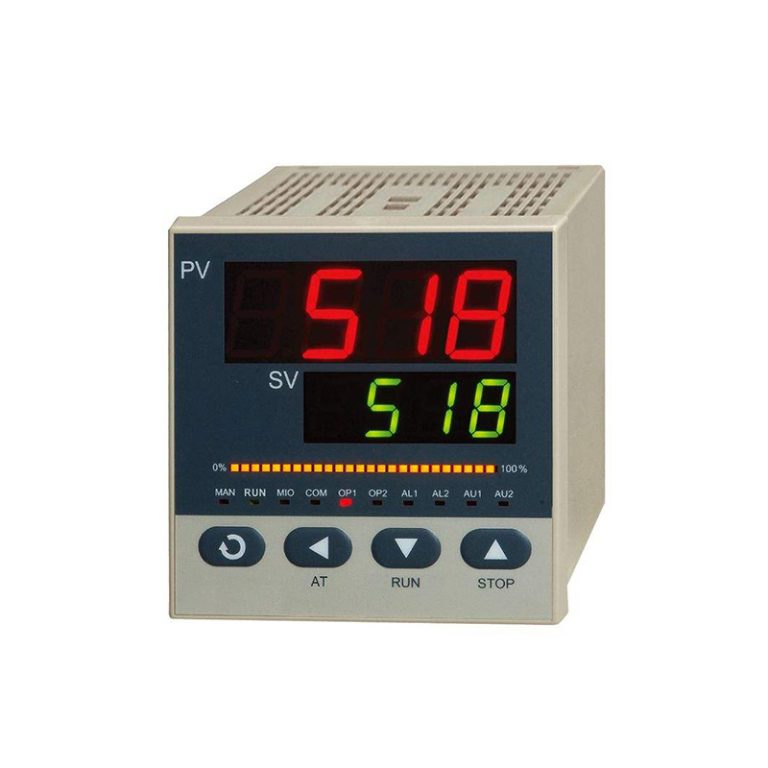
Thermocouples can be used with intelligent temperature controllers, PLC control systems, and computer control systems to achieve:
Real-time temperature display; Automatic temperature rise control; Temperature curve operation; Over-temperature alarm protection; Remote data monitoring.

| Item | GWL-B (Double Platinum-Rhodium) | GWL-S (Single Platinum-Rhodium) | GWL-K (NiCr-NiSi) |
|---|---|---|---|
| Type | B (formerly LL-2) | S | K |
| Positive Leg Material | PtRh30 | PtRh10 | Ni-Cr alloy (KP, 10% Cr) |
| Negative Leg Material | PtRh6 | Pure Pt | Ni-Si alloy (KN, 3% Si) |
| Long-term Max. Temp. | 1600℃ | 1400℃ | 1000℃ |
| Short-term Max. Temp. | 1800℃ | 1600℃ | 1200℃ |
| RT Thermal EMF | ~-2μV at 25℃, ~3μV at 50℃ | — | — |
| Suitable Atmosphere | Oxidizing/neutral; short-term vacuum; reducing lifespan 10~20× R/S | Oxidizing/inert | Oxidizing/inert (not suitable for vacuum, C/S-containing, or alternating O/R atmospheres) |
| Features | High stability, mechanical strength; low EMF rate, needs sensitive readout | Highest accuracy, often used as standard; good homogeneity & interchangeability | Good linearity, low cost, most widely used; negative leg magnetic (use magnet to identify polarity) |
| Precautions | — | Recrystallization above 1400℃ causes coarse grains | Poor thermal cycling stability at 250~550℃; magnetic transformation at 150~200℃; EMF changes under neutron irradiation |
Application Areas
- Ultra-High Temperature Measurement (Type B): Suitable for ultra-high temperature measurement scenarios such as 1600-1800℃ ultra-high temperature electric furnaces, vacuum furnaces, ceramic sintering furnaces, and crystal growth furnaces.
- Standard Metrology and Precision Temperature Measurement (Type S): Suitable for high-accuracy temperature measurement scenarios such as high-temperature standard metrology, precision temperature measurement, and scientific research experiments.
- Conventional High Temperature Measurement (Type K): Suitable for conventional temperature measurement of various 1000-1200℃ high-temperature electric furnaces, heat treatment furnaces, and industrial kilns. It is currently the most widely used thermocouple type in industrial electric furnaces.
Company Profile
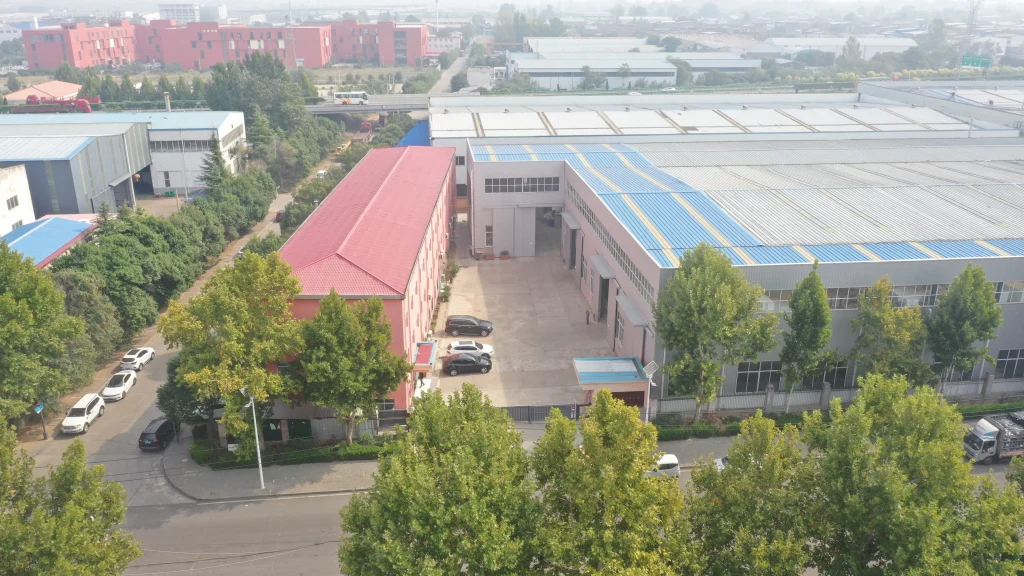
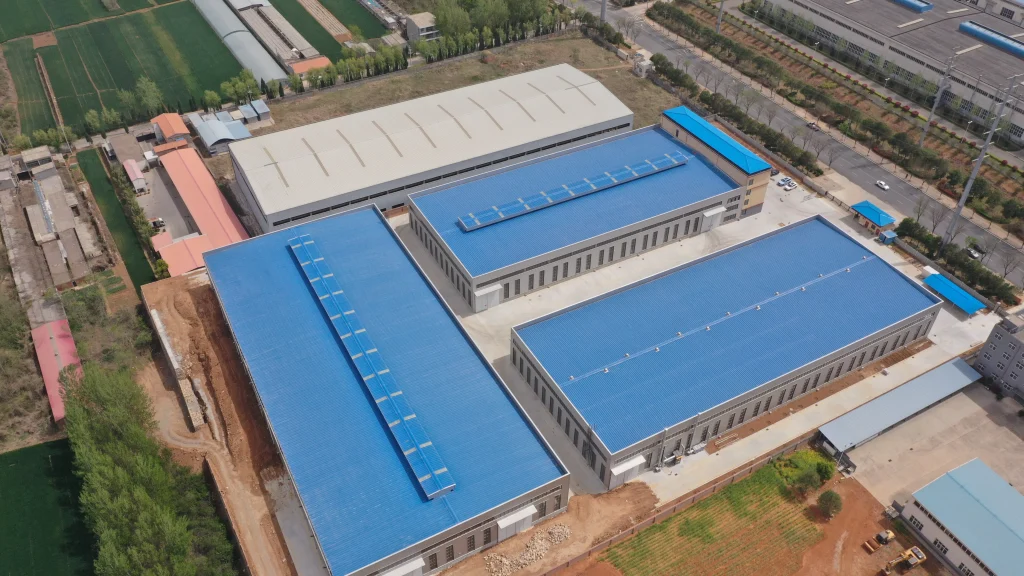
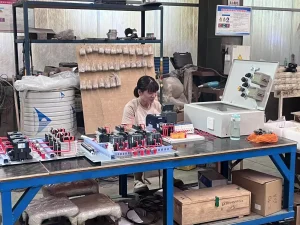
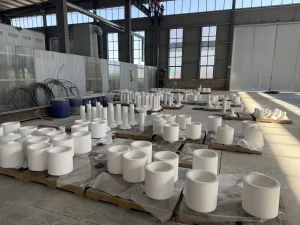
A professional enterprise specializing in heat treatment technology services and the R&D, manufacturing, and sales of high-temperature electric furnaces.
The company focuses on developing high-temperature electric furnaces covering a full temperature range of -100℃ to 2600℃. Its products include experimental electric furnaces, vacuum atmosphere furnaces, industrial kilns, and medium-frequency induction heating equipment. Main products include box furnaces, tube furnaces, lifting furnaces, pusher kilns, bogie furnaces, rotary kilns, tunnel kilns, and various specialized medium-frequency furnaces.
The company adheres to technological innovation and has passed ISO9001 and EU CE certifications. It owns 21 registered trademarks, 29 patents, and 27 software copyrights.
Payment Methods
TT
Shipment Methods
The electric furnace is packaged in thThe electric furnace is packaged in three layers: first wrapped in foam paper, then wrapped in plastic film, and finally packed in a wooden crate.
Frequently Asked Questions (FAQ)
- What equipment are thermocouples mainly used in?
Thermocouples are mainly used in various industrial electric furnaces, experimental furnaces, high-temperature furnaces, sintering furnaces, and heat treatment equipment to detect and provide feedback on the actual temperature inside the furnace.
- What are the differences between Type B, Type S, and Type K thermocouples?
Type B double platinum-rhodium thermocouples are suitable for ultra-high temperature environments up to 1800℃; Type S single platinum-rhodium thermocouples have high accuracy and stability and are suitable for long-term measurements at around 1400℃; Type K thermocouples have lower cost and are suitable for industrial temperature control at around 1000℃.
- Can thermocouples be used in a vacuum environment?
Type B thermocouples can be used in a vacuum environment for short periods; Type S thermocouples are suitable for oxidizing and inert atmospheres; Type K thermocouples are not recommended for long-term use with bare wire in vacuum, carbon-containing, or sulfur-containing atmospheres.
- Are thermocouples customizable?
Yes. Customization is available based on equipment temperature range, furnace structure, installation method, protective tube material, length, and control system requirements.
- How to extend the service life of thermocouples?
Selecting the appropriate thermocouple model and protective tube material, avoiding operation beyond the rated temperature, and choosing the suitable model based on the furnace atmosphere can effectively extend the thermocouple’s service life.