Luoyang Anjing Intelligence Equipment ist ein weltweit führender Anbieter von Hochtemperatur-Elektroöfen



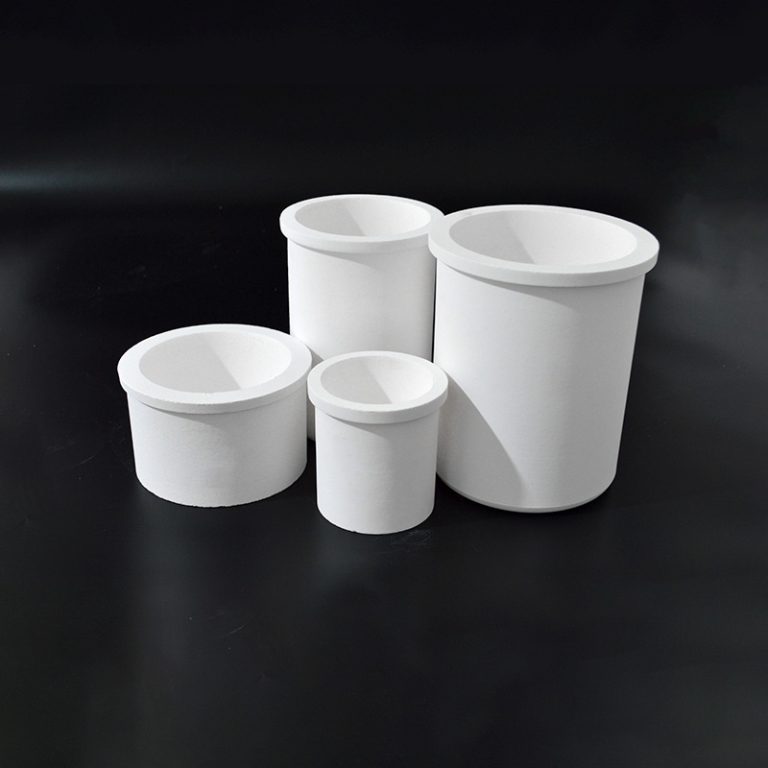
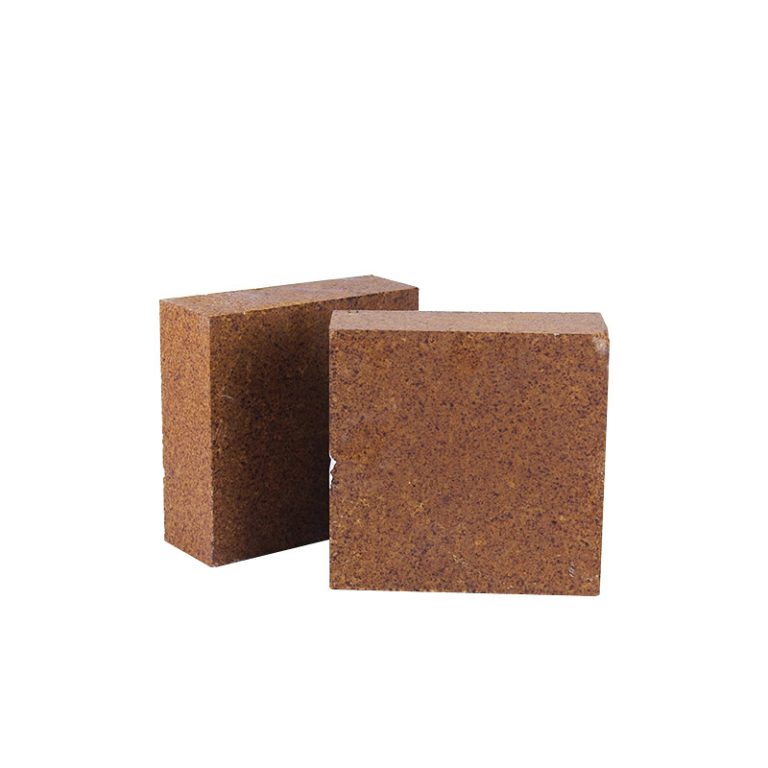
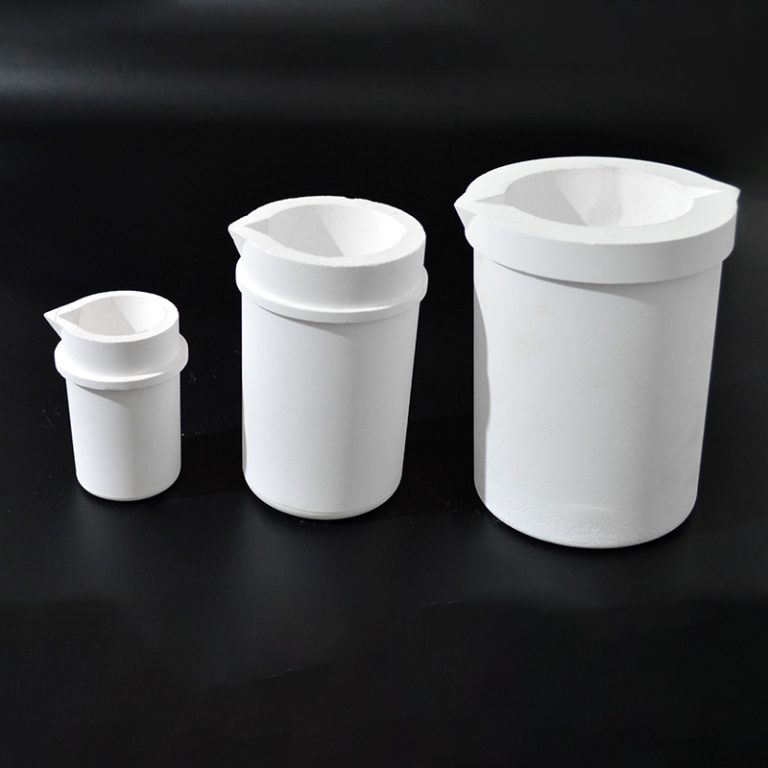
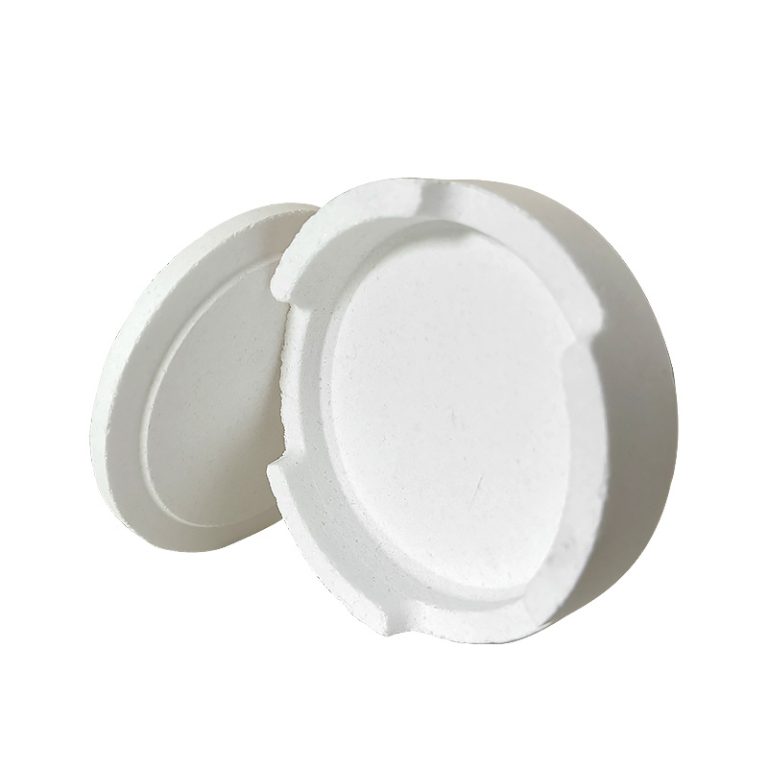
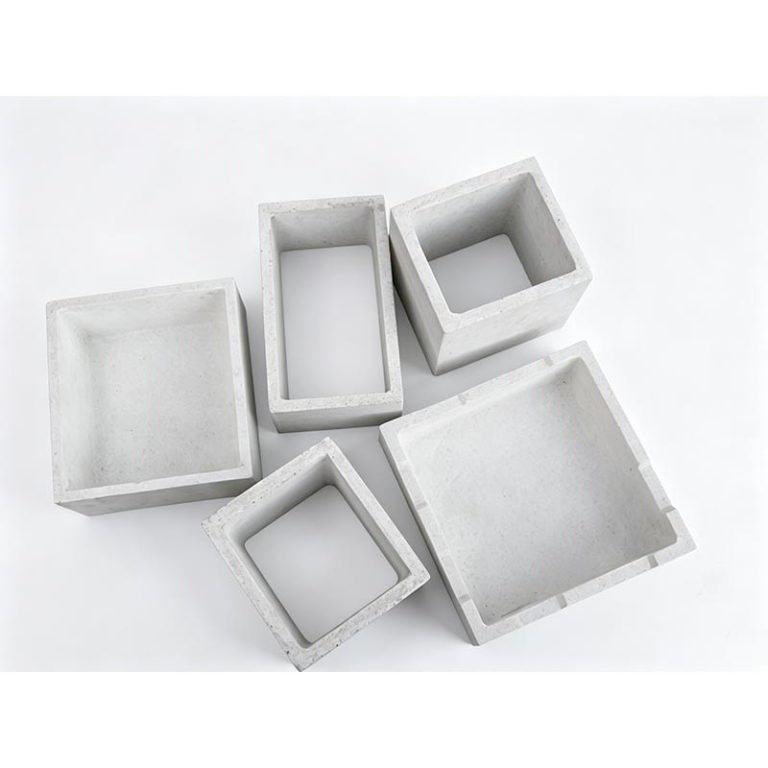
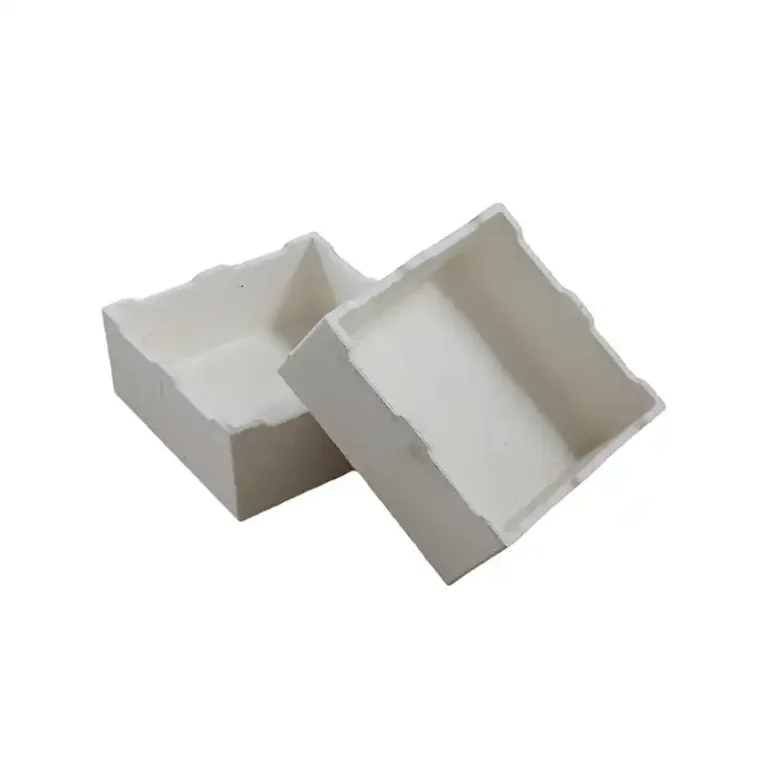
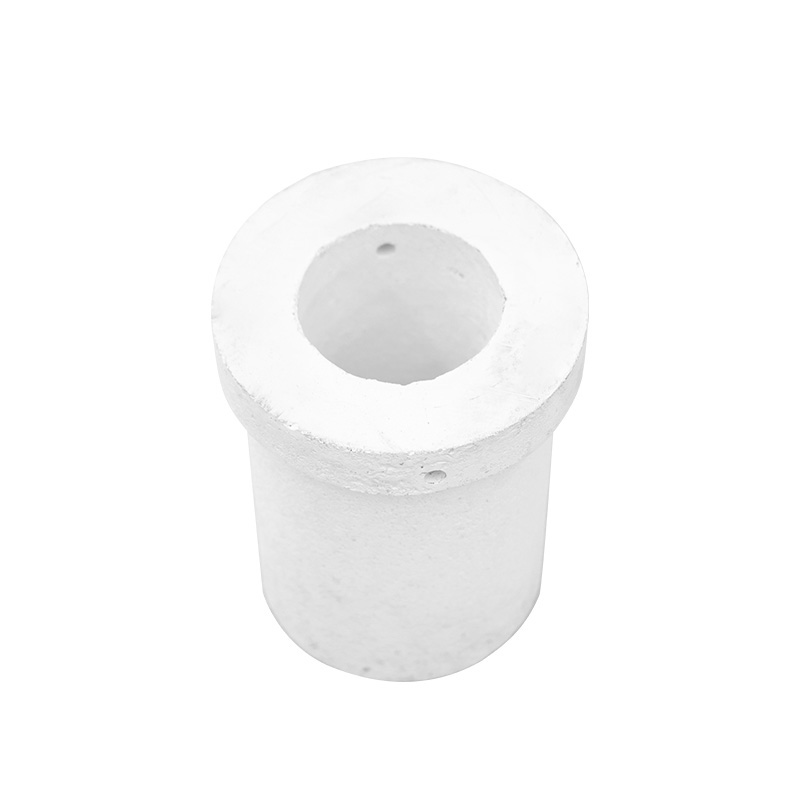
Frit Furnace Crucible Dense Zirconia Corundum
PRODUKTPARAMETER
Beschreibung
Dense Zirconia-Corundum Crucible for Frit Furnaces
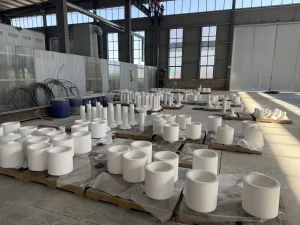
This dense zirconia-corundum crucible for frit furnaces is a specialized refractory vessel manufactured through high-temperature, dense sintering using high-purity alumina, Zirkonoxid, and silica as primary raw materials. The product features excellent high-temperature performance, Thermoschockbeständigkeit, and resistance to corrosion by molten glass. It is specifically designed for glass melting operations—such as those in frit furnaces—and is suitable for high-temperature melting processes involving ceramic frits, glass glazes, and similar materials.
Produktmerkmale
- High Zirconia Content; Strong Corrosion Resistance
With a ZrO₂ content of 41.058% combined with 44.089% Al₂O₃, the material forms a dense zirconia-corundum structure. It offers excellent chemical corrosion resistance against high-temperature melts—such as molten glass and frit—effectively extending the crucible’s service life.
- Dense Structure; Excellent Thermal Shock Resistance
Produced via a high-temperature densification sintering process, the material features a dense structure and low porosity. It exhibits superior thermal shock resistance, enabling it to withstand the frequent temperature fluctuations of frit furnaces without cracking.
- Low Impurity Content; No Contamination of Melt
With Fe₂O₃ and TiO₂ contents of only 0.049% Und 0.073% respectively, the material contains minimal harmful impurities. It does not react with frit or glaze at high temperatures, effectively ensuring the purity of the melted material.
- Stable High-Temperature Performance
The zirconia-corundum material maintains structural stability and resists deformation at high temperatures. It withstands erosion by molten glass, making it suitable for the continuous, long-term operation of frit furnaces.

| Test Item | Test Result |
|---|---|
| Al₂O₃ (%) | 44.089 |
| SiO₂ (%) | 12.234 |
| ZrO₂ (%) | 41.058 |
| HfO₂ (%) | 0.844 |
| TiO₂ (%) | 0.073 |
| Fe₂O₃ (%) | 0.049 |
| K₂O (%) | 0.076 |
| Na₂O (%) | 1.177 |
| CaO (%) | 0.038 |
| MgO (%) | 0.017 |
Anwendungsbereiche
- Ceramic Frit Melting: Used for melting and holding ceramic frit in frit furnaces.
- Glass Glaze Melting: Suitable for high-temperature melting processes involving glass glazes, pigments, and similar materials.
- Specialty Glass Industry: Used as a melting vessel for optical glass and specialty glass.
- Non-ferrous Metal Smelting: Suitable for high-temperature smelting applications requiring superior corrosion resistance.
Unternehmensprofil
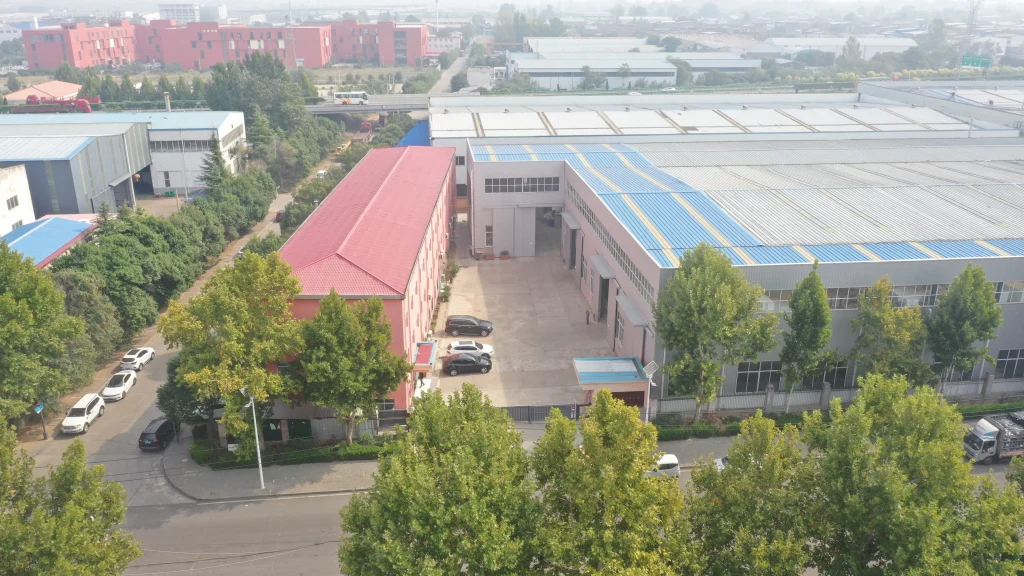
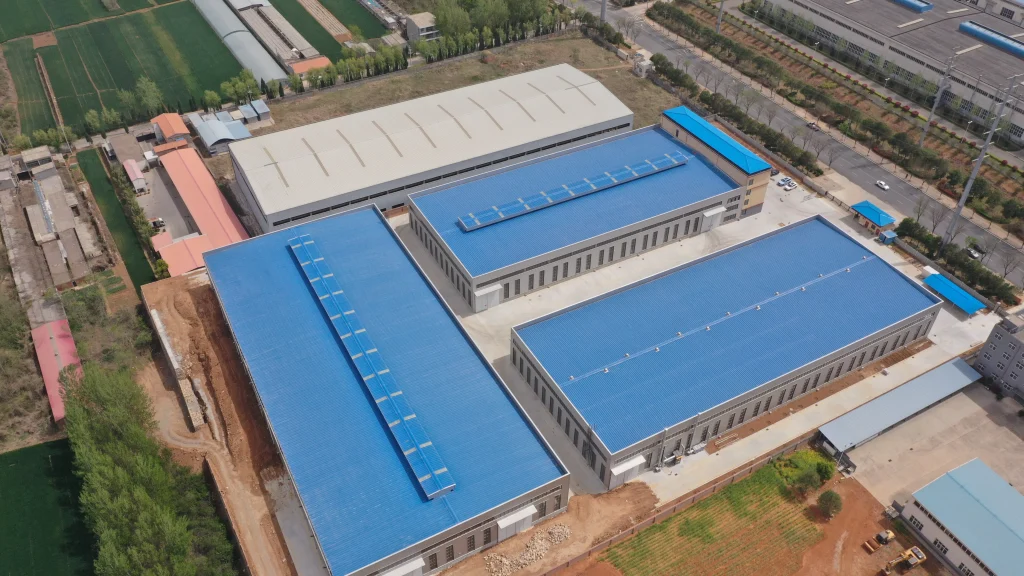
Ein professionelles Unternehmen, das sich auf Dienstleistungen im Bereich Wärmebehandlungstechnologie und die R. spezialisiert hat&D, Herstellung, und Vertrieb von Hochtemperatur-Elektroöfen.
Das Unternehmen konzentriert sich auf die Entwicklung von Hochtemperatur-Elektroöfen, die einen gesamten Temperaturbereich von -100℃ bis 2600℃ abdecken. Zu seinen Produkten gehören experimentelle Elektroöfen, Vakuumatmosphärenöfen, Industrieöfen, und Mittelfrequenz-Induktionsheizgeräte. Zu den Hauptprodukten gehören Kastenöfen, Rohröfen, Hebeöfen, Schuböfen, Drehgestellöfen, Drehrohröfen, Tunnelöfen, und verschiedene spezialisierte Mittelfrequenzöfen.
Das Unternehmen setzt auf technologische Innovation und hat die ISO9001- und EU-CE-Zertifizierungen bestanden. Es besitzt 21 eingetragene Marken, 29 Patente, Und 27 Software-Urheberrechte.
Zahlungsmethoden
TT
Versandarten
Der Elektroofen ist in drei Schichten verpackt: zunächst in Schaumstoffpapier eingewickelt, dann in Plastikfolie eingewickelt, and finally packed in a wooden crat.
Häufig gestellte Fragen (FAQ)
- What are the main advantages of dense zirconia-corundum crucibles?
The primary advantages are excellent corrosion resistance—derived from high zirconia content—and good thermal shock resistance due to the material’s dense structure. Additionally, the extremely low impurity content ensures no contamination of the melt, making them suitable for the long-term, high-temperature operation of frit furnaces.
- What is the applicable temperature range for these crucibles?
The dense zirconia-corundum material can withstand temperatures exceeding 1600°C. Specific operating temperatures can be determined based on the customer’s process conditions; we recommend consulting a sales engineer.
- Can the products be customized to specific dimensions?
Ja. Crucibles can be customized in various shapes and sizes based on the customer’s frit furnace model, capacity, and process requirements.
- Will the crucible affect the color or properties of the frit or glaze?
NEIN. The product has extremely low levels of impurities such as Fe₂O₃ and TiO₂ and exhibits excellent chemical stability at high temperatures. It does not react with the melt, effectively ensuring the purity and color quality of the molten material.
- How can the service life of the crucible be extended?
It is recommended to raise and lower the temperature slowly in accordance with operating procedures to avoid rapid heating or cooling. Do not strike the bottom of the crucible when charging materials; periodically inspect the inner walls for corrosion and replace the crucible in a timely manner.