Luoyang Anjing Intelligence Equipment are a global leader in high-temperature electric furnaces



How to Choose a Vacuum Furnace: Selection Guide, Features and Applications
When choosing a vacuum furnace, you can’t just look at how high the temperature can be reached or how low the vacuum level can be. You need to consider the materials being processed, the manufacturing process, the required temperature, and the production volume. Simply put, a vacuum furnace is a device that improves material properties by precisely controlling the heating environment and atmosphere. A well-chosen one results in less product oxidation, better consistency, and easier subsequent processing. Therefore, selection should be based on the process; parameters are only for reference.
I. Overview of Vacuum Furnace Products
A vacuum furnace is an industrial furnace that performs high-temperature heating under a vacuum or low-pressure protective atmosphere. By removing oxygen and impurity gases from the furnace chamber, materials can be heat-treated in a cleaner environment.
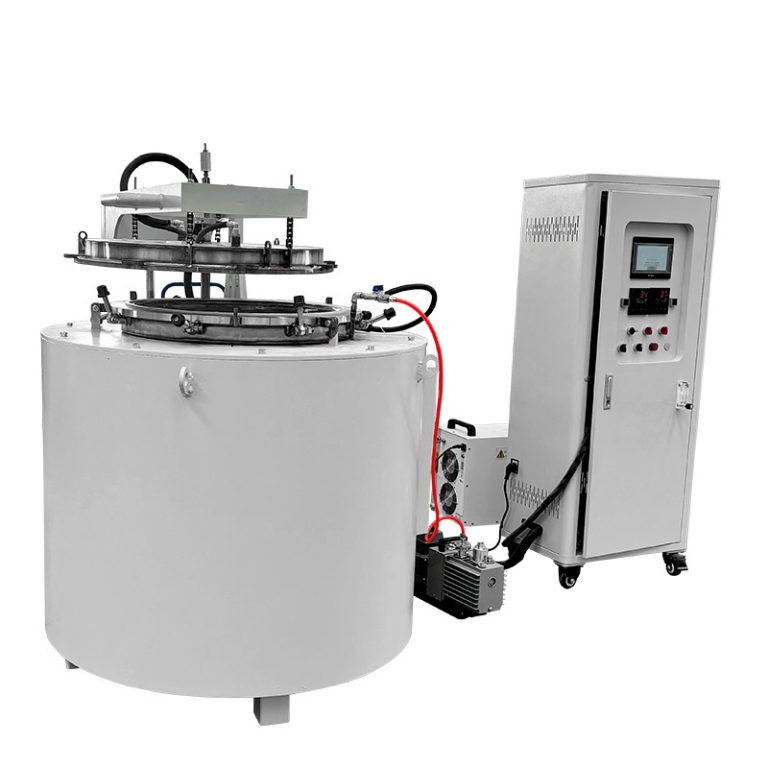
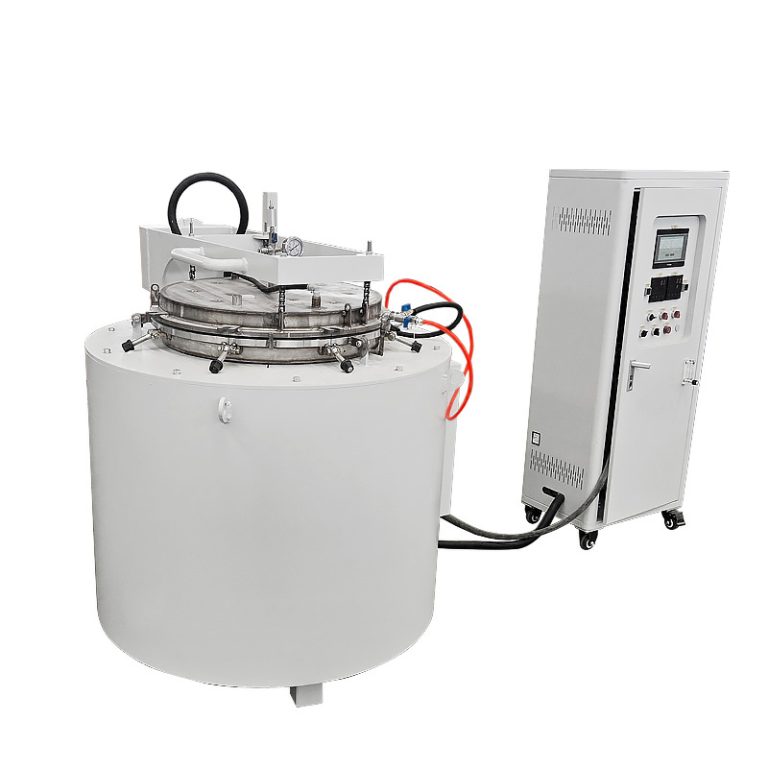
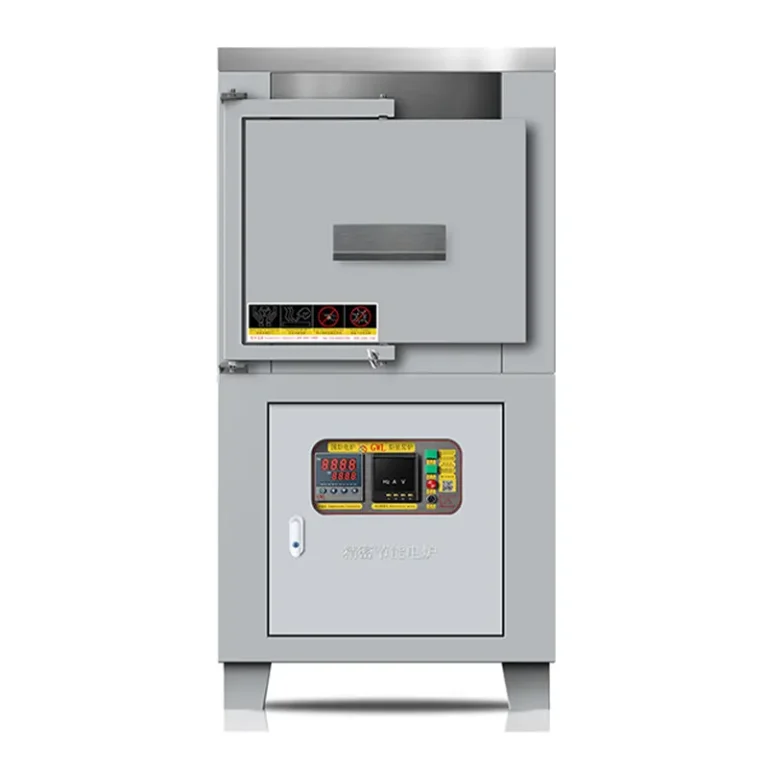
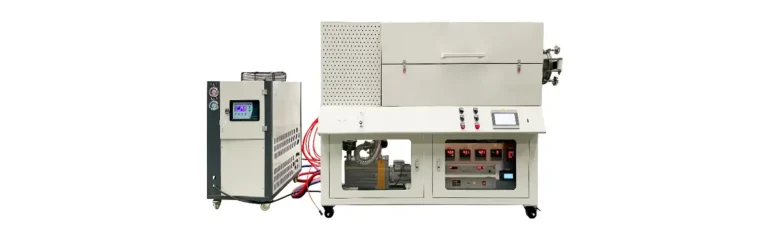
A vacuum furnace typically consists of a furnace body, a vacuum system, a heating system, a temperature control system, and a cooling system. Depending on the specific process requirements, it can be used for heat treatment processes such as vacuum annealing, vacuum sintering, vacuum quenching, and vacuum brazing.Modern vacuum furnaces have evolved from simple high-temperature heating devices into intelligent heat treatment equipment integrating precise temperature control, automated operation, and data management.
II. Product Features and Advantages
- Clean Heat Treatment Without Oxidation or Decarburization
In a vacuum, there is no oxygen or water vapor, so heating does not cause oxidation or decarburization. The workpiece comes out of the furnace shiny and can proceed directly to the next process without sandblasting, acid pickling, or polishing.
- Excellent Temperature Uniformity and Temperature Control Precision
The heating elements of the vacuum furnace are arranged around the furnace chamber, achieving uniform heating through radiative heat transfer. A high-quality vacuum furnace can achieve a temperature uniformity of ±1℃. Multi-zone independent temperature control design (e.g., independently adjustable front, middle, and rear zones) further eliminates temperature differences, ensuring batch-to-batch product consistency.
- Strong Process Adaptability, Multi-functional
By adjusting the temperature, vacuum level, and cooling rate, a single vacuum furnace can perform a variety of processes such as quenching, tempering, annealing, brazing, sintering, and aging, making it suitable for multi-variety, small-batch production.
- Rapid Gas Cooling and Controlled Cooling Rate
Modern vacuum furnaces employ high-pressure gas quenching technology. After being filled with nitrogen or argon, forced cooling is achieved through a circulating fan, The cooling rate can be adjusted according to process requirements.
- Clean and Environmentally Friendly with Low Emissions
Vacuum furnaces have no combustion process and produce no smoke or exhaust gas. The working environment is clean and meets the environmental protection requirements of modern factories.


III. Two Key Issues in Vacuum Furnace Selection
- How to Choose the Vacuum Furnace Type Based on the Heat Treatment Process?
Different processes require different types of vacuum furnaces.
If the primary purpose is to eliminate internal stress in materials and improve processing performance, a vacuum annealing furnace is generally more suitable. This equipment provides a stable heating environment, allowing the metal material to regain good plasticity and dimensional stability.
If used for powder material processing, a vacuum sintering furnace needs to be considered. Powder metallurgy materials require particle bonding and densification at high temperatures, and the stability of the furnace atmosphere directly affects the performance of the final product.
For aerospace parts and complex structural components, vacuum brazing furnaces play a crucial role. They prevent oxidation in the weld area, maintaining high strength at the joint.
Therefore, when selecting a vacuum furnace, the product material and target process should be clearly defined first, and then the type of equipment should be determined, rather than simply selecting based on the temperature range.
Vacuum Furnace Selection — Misconceptions & Tips
| Type | Content |
|---|---|
| Misconception 1 | Focusing only on max. temperature, ignoring continuous operating temperature. Use 100℃~200℃ below max. for longer life |
| Misconception 2 | Same specs ≠ same performance. Evaluate actual vacuum retention, cooling uniformity, etc. |
| Misconception 3 | Vacuum furnace can’t replace all atmosphere furnaces. For routine heat treatment, atmosphere furnaces are more cost-effective |
| Tips | List process needs: temperature, vacuum level, cooling rate, workpiece size & batch weight, multi-zone requirements. Match accordingly — don’t pay for unnecessary features |
- What Core Parameters Should Be Considered When Selecting a Vacuum Furnace?
Vacuum degree is one of the important indicators for evaluating the performance of a vacuum furnace. A higher vacuum level reduces the impact of impurity gases, but it also increases the requirements for equipment manufacturing and maintenance. Therefore, an appropriate vacuum level needs to be selected based on actual process requirements.
Operating temperature is also an important consideration. Different materials require different heat treatment temperature ranges; the equipment’s temperature capacity should meet current production needs while allowing for future product upgrades.
The furnace chamber size determines the equipment’s production adaptability. If the furnace chamber is too small, it will limit product size and batch production capacity; if it is too large, it may increase equipment investment and operating energy consumption.
Furthermore, the cooling method also affects the final result. Some materials require rapid cooling to obtain specific properties; therefore, the gas cooling pressure, cooling rate, and uniformity of the vacuum furnace need to be carefully considered.
IV. Product Applications
- Vacuum Quenching and Tempering: Quenching and tempering of mold steel, high-speed steel, tool steel, and bearing steel is the core application of vacuum furnaces.
- Vacuum Brazing: Using a filler metal with a lower melting point than the base material, the joint gap is filled by melting in a vacuum environment. Vacuum brazing is the standard connection process for aerospace heat exchangers, waveguide components, and honeycomb structures.
- Vacuum Sintering: Hard alloys (tungsten carbide), powder metallurgy parts, and advanced ceramics are sintered in a vacuum, achieving a density of over 99.5%.
- Vacuum Annealing and Solution Treatment: Annealing and solution treatment of titanium alloys, high-temperature alloys, and precision alloys avoids the absorption of harmful gases in a vacuum, eliminates processing stress, and improves material plasticity and toughness.
- Vacuum degassing and removal: Electrical steel, magnetic materials, and high-purity metals are annealed and degassed in a vacuum to remove dissolved hydrogen, oxygen, and nitrogen, improving electromagnetic properties and density.
- Scientific research and new material development: Vacuum furnaces in universities and research institutes are used for exploring new alloy formulations, synthesizing intermetallic compounds, annealing nanomaterials, and ultra-high vacuum processing of semiconductor materials.
V.Supplier
Luoyang Anjing Intelligent Equipment Co., Ltd. is an enterprise dedicated to the research, development, production, sales, and technical services of heat treatment equipment such as high-temperature electric furnaces. We produce laboratory, vacuum, industrial, and medium frequency furnace, covering a temperature range from -100℃ to 2600℃, serving industries such as new energy, semiconductors, and advanced materials. We can provide customized solutions based on specific atmosphere, ultra-high temperature, and intelligent control system requirements. Please feel free to contact us if you are interested.
If you are struggling with equipment selection or parameter issues, simply leave your contact information and basic process requirements. We will arrange for a dedicated engineer to communicate directly with you and provide a detailed equipment configuration list and quotation.
Click “Request a Quote” to get a customized solution.