Luoyang Anjing Intelligence Equipment are a global leader in high-temperature electric furnaces



High Temperature Alloy Resistance Wire | Electric Furnace Heating Wire


PRODUCT PARAMETERS
Description
High-Temperature Alloy Resistance Wire
High-temperature alloy resistance wire is a heating element made from iron-chromium-aluminum high-temperature alloy materials. It possesses excellent high-temperature oxidation resistance, corrosion resistance, and a high operating temperature. It is mainly used in industrial electric furnaces, laboratory electric furnaces, heat treatment equipment, sintering furnaces, and various high-temperature heating equipment.
Common materials in this series of resistance wires include OCr21Al6Nb and OCr27Al7Mo2. By adding alloying elements such as chromium, aluminum, molybdenum, and niobium, the oxidation resistance and structural stability of the material under high-temperature environments are improved. Among them, OCr27Al7Mo2 has a maximum operating temperature of up to 1450℃ and is suitable for medium- and high-temperature continuous heating conditions.
Product Features
- High-aluminum content iron-chromium-aluminum alloy with excellent ultra-high temperature oxidation resistance
High-temperature alloy resistance wire belongs to the iron-chromium-aluminum alloy heating material family. Its main components are iron (Fe), chromium (Cr), and aluminum (Al), with performance further optimized by adding trace amounts of rare earth elements (cerium, lanthanum, niobium, molybdenum, etc.). Its operating temperature is much higher than that of nickel-chromium alloys. It has strong oxidation resistance, high resistivity, and a small temperature coefficient of resistance, making it widely used in high-temperature electric furnaces.
- Excellent resistance to high-temperature oxidation and carburization
A dense alumina (Al₂O₃) protective film can form on the surface of the resistance wire, providing excellent oxidation resistance. It also possesses good resistance to carburization, sulfidation, and hydrogen embrittlement, remaining stable in various industrial atmospheres.
- Good processing performance and convenient installation and maintenance
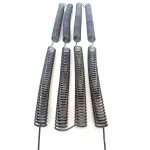
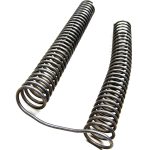
High-temperature alloy resistance wire has good high-temperature strength and processing plasticity, and can be wound into spiral or corrugated shapes for easy installation and maintenance. It has a high surface load, rapid heating rate, and high thermal efficiency.

High-Temperature Alloy Resistance Wire — Technical Specifications
| Property | Ocr21Al6Nb | Ocr27Al7Mo2 |
|---|---|---|
| C | 0.05 | 0.05 |
| P | 0.025 | 0.025 |
| S | 0.025 | 0.025 |
| Mn | 0.7 | 0.7 |
| Cr | 21.00 ~ 23.00 | 26.50 ~ 27.80 |
| Ni | ≤ 0.60 | ≤ 0.60 |
| Al | 5.00 ~ 7.00 | 6.00 ~ 7.00 |
| Mo | — | 1.80 ~ 2.20 |
| Nb | 0.5 | — |
| Max. Operating Temperature(℃) | 1380 | 1450 |
| Density(g/cm³) | 7.1 | 7.1 |
Application Areas
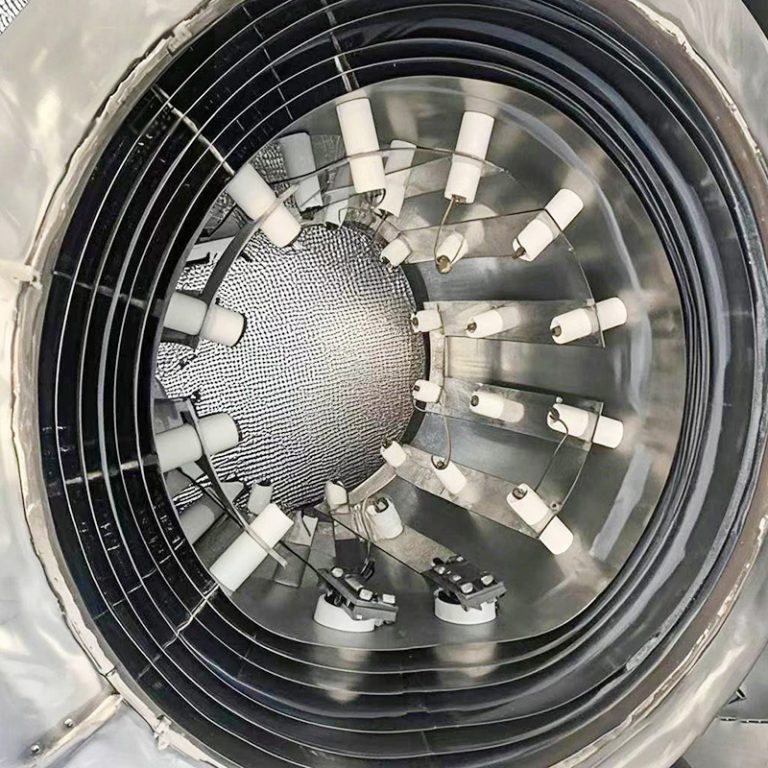
- High-Temperature Electric Furnace Heating Elements: Suitable for various high-temperature electric furnaces in the temperature range of 1200-1450℃, including box furnaces, tube furnaces, pit furnaces, bogie furnaces, lifting furnaces, bell-jar furnaces, etc.
- Industrial Kiln Heating Systems: Suitable for heating elements in continuous industrial kilns such as pusher kilns, tunnel kilns, and roller kilns.
- Heat Treatment Equipment: Suitable for heating equipment in metal heat treatment, annealing, tempering, quenching, and other processes.
- Ceramics and Glass Industry: Heating elements used in high-temperature processes such as ceramic sintering and glass melting.
- Laboratories and Research Institutions: Suitable for use with high-temperature experimental electric furnaces in materials science, metallurgical engineering, and other related fields in universities and research institutes.
Company Profile
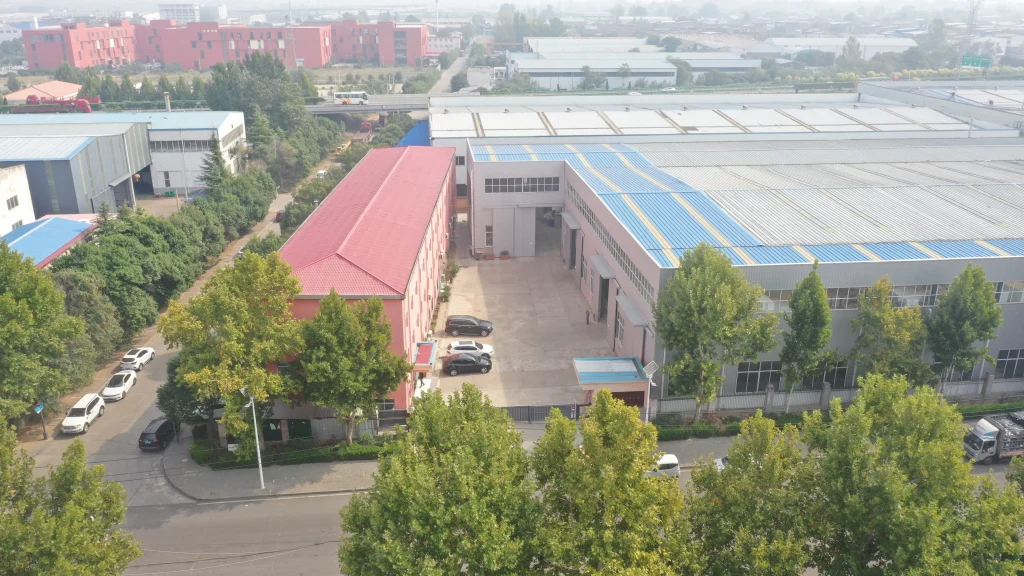
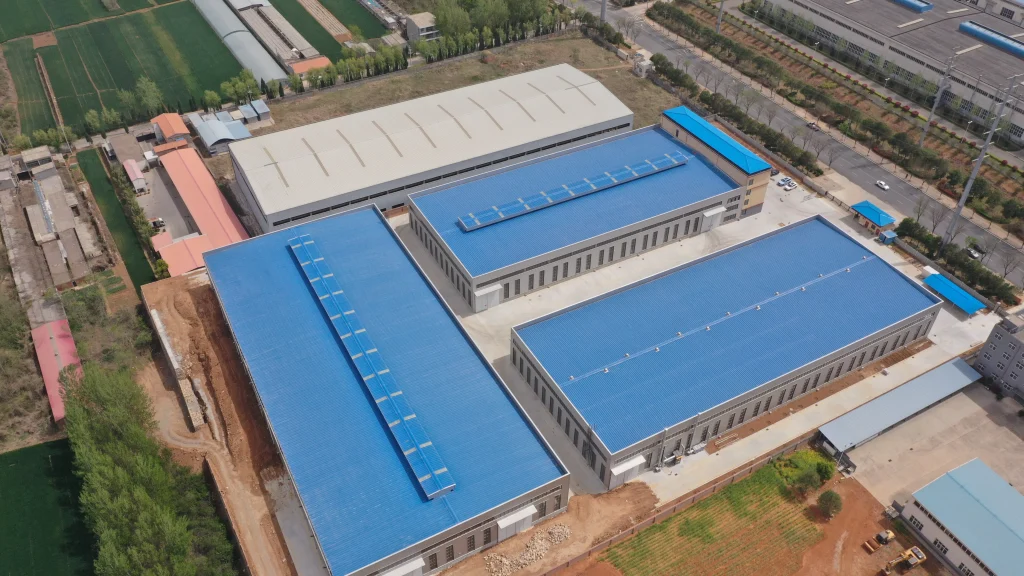
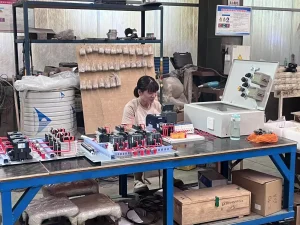
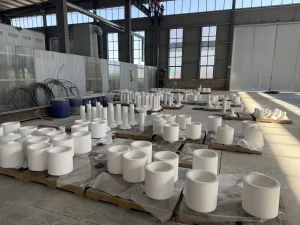
A professional enterprise specializing in heat treatment technology services and the R&D, manufacturing, and sales of high-temperature electric furnaces.
The company focuses on developing high-temperature electric furnaces covering a full temperature range of -100℃ to 2600℃. Its products include experimental electric furnaces, vacuum atmosphere furnaces, industrial kilns, and medium-frequency induction heating equipment. Main products include box furnaces, tube furnaces, lifting furnaces, pusher kilns, bogie furnaces, rotary kilns, tunnel kilns, and various specialized medium-frequency furnaces.
The company adheres to technological innovation and has passed ISO9001 and EU CE certifications. It owns 21 registered trademarks, 29 patents, and 27 software copyrights.
Payment Methods
TT
Shipment Methods
The electric furnace is packaged in thThe electric furnace is packaged in three layers: first wrapped in foam paper, then wrapped in plastic film, and finally packed in a wooden crate.
Frequently Asked Questions (FAQ)
- What is the maximum operating temperature of high-temperature alloy resistance wire?
Depending on the material, the maximum operating temperature can reach 1380℃~1450℃.
- What equipment is high-temperature alloy resistance wire mainly used in?
Mainly used in industrial electric furnaces, laboratory electric furnaces, sintering furnaces, heat treatment furnaces, and other equipment requiring stable high-temperature heating.
- What is the difference between OCr21Al6Nb and OCr27Al7Mo2?
OCr27Al7Mo2 has a higher proportion of chromium, aluminum, and molybdenum, resulting in stronger oxidation resistance and high-temperature stability, with a maximum operating temperature reaching 1450℃.
- Can resistance wire be customized?
Yes. The diameter, length, winding method, and resistance value of the resistance wire can be customized according to the equipment power, voltage, furnace size, and installation method.
- Is it normal for an oxide layer to appear on the surface of the resistance wire during high-temperature use?
No, it is normal. The oxide protective layer formed during high-temperature operation can protect the base material and improve the durability of the resistance wire.