Luoyang Anjing Intelligence Equipment est un leader mondial des fours électriques à haute température



High Temperature Alloy Resistance Wire | Electric Furnace Heating Wire


PARAMÈTRES DU PRODUIT
Description
High-Temperature Alloy Resistance Wire
High-temperature alloy resistance wire is a heating element made from iron-chromium-aluminum high-temperature alloy materials. It possesses excellent high-temperature oxidation resistance, résistance à la corrosion, and a high operating temperature. It is mainly used in industrial electric furnaces, laboratory electric furnaces, heat treatment equipment, sintering furnaces, and various high-temperature heating equipment.
Common materials in this series of resistance wires include OCr21Al6Nb and OCr27Al7Mo2. By adding alloying elements such as chromium, aluminum, molybdène, and niobium, the oxidation resistance and structural stability of the material under high-temperature environments are improved. Among them, OCr27Al7Mo2 has a maximum operating temperature of up to 1450℃ and is suitable for medium- and high-temperature continuous heating conditions.
Caractéristiques du produit
- High-aluminum content iron-chromium-aluminum alloy with excellent ultra-high temperature oxidation resistance
High-temperature alloy resistance wire belongs to the iron-chromium-aluminum alloy heating material family. Its main components are iron (Fe), chromium (Cr), and aluminum (Al), with performance further optimized by adding trace amounts of rare earth elements (cerium, lanthanum, niobium, molybdène, etc.). Its operating temperature is much higher than that of nickel-chromium alloys. It has strong oxidation resistance, high resistivity, and a small temperature coefficient of resistance, making it widely used in high-temperature electric furnaces.
- Excellent resistance to high-temperature oxidation and carburization
A dense alumina (Al₂O₃) protective film can form on the surface of the resistance wire, providing excellent oxidation resistance. It also possesses good resistance to carburization, sulfidation, and hydrogen embrittlement, remaining stable in various industrial atmospheres.
- Good processing performance and convenient installation and maintenance
High-temperature alloy resistance wire has good high-temperature strength and processing plasticity, and can be wound into spiral or corrugated shapes for easy installation and maintenance. It has a high surface load, rapid heating rate, and high thermal efficiency.

High-Temperature Alloy Resistance Wire — Technical Specifications
| Property | Ocr21Al6Nb | Ocr27Al7Mo2 |
|---|---|---|
| C | 0.05 | 0.05 |
| P. | 0.025 | 0.025 |
| S | 0.025 | 0.025 |
| Mn | 0.7 | 0.7 |
| Cr | 21.00 ~ 23.00 | 26.50 ~ 27.80 |
| Ni | ≤ 0.60 | ≤ 0.60 |
| Al | 5.00 ~ 7.00 | 6.00 ~ 7.00 |
| Mo | — | 1.80 ~ 2.20 |
| Nb | 0.5 | — |
| Max. Operating Temperature(℃) | 1380 | 1450 |
| Density(g/cm³) | 7.1 | 7.1 |
Domaines d'application
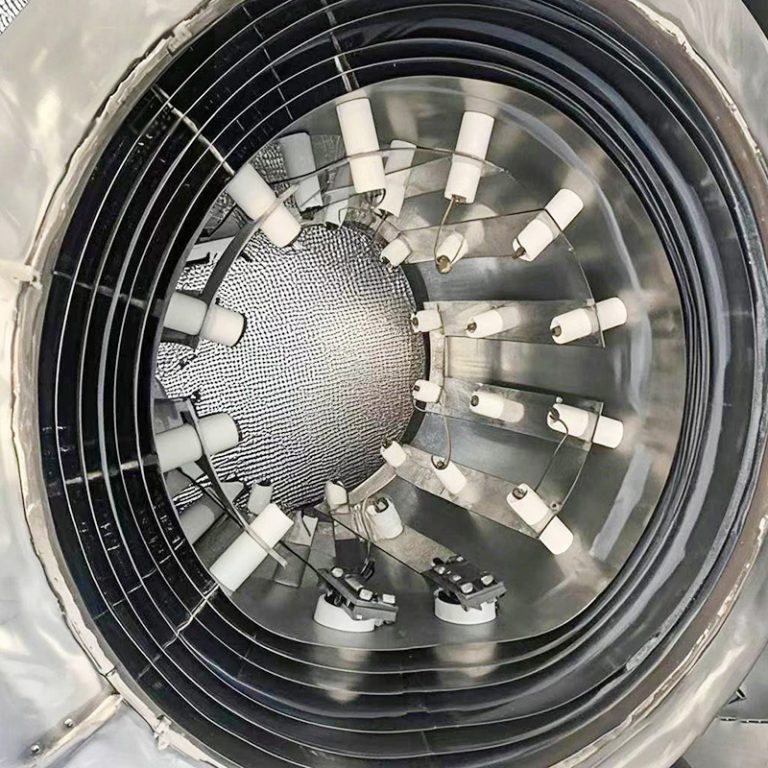
- High-Temperature Electric Furnace Heating Elements: Suitable for various high-temperature electric furnaces in the temperature range of 1200-1450℃, including box furnaces, fours tubulaires, fours à fosse, fours à bogies, fours de levage, bell-jar furnaces, etc..
- Industrial Kiln Heating Systems: Suitable for heating elements in continuous industrial kilns such as pusher kilns, fours tunnel, et fours à rouleaux.
- Équipement de traitement thermique: Suitable for heating equipment in metal heat treatment, recuit, trempe, trempe, et d'autres processus.
- Ceramics and Glass Industry: Heating elements used in high-temperature processes such as ceramic sintering and glass melting.
- Laboratories and Research Institutions: Suitable for use with high-temperature experimental electric furnaces in materials science, metallurgical engineering, et autres domaines connexes dans les universités et instituts de recherche.
Profil de l'entreprise
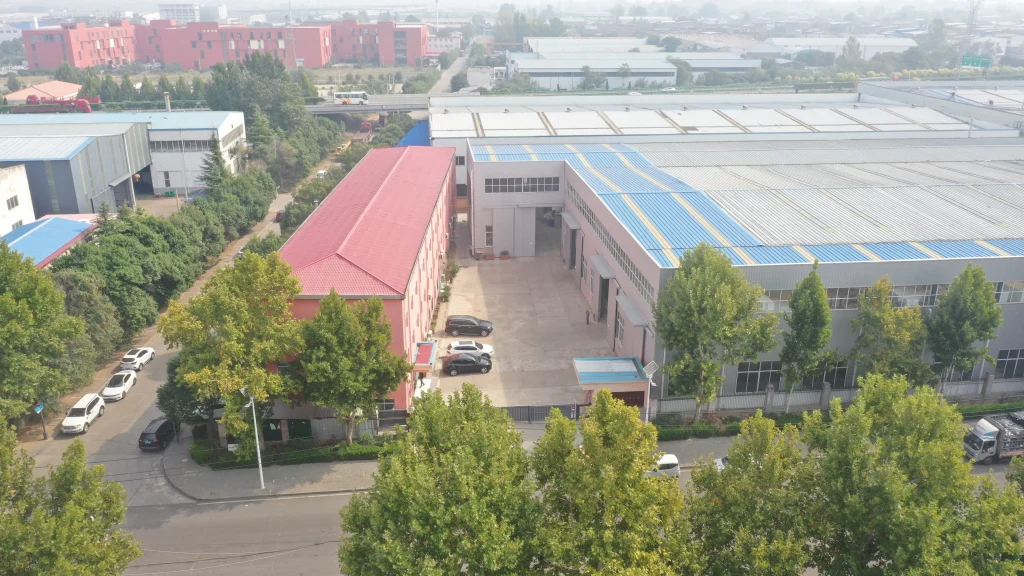
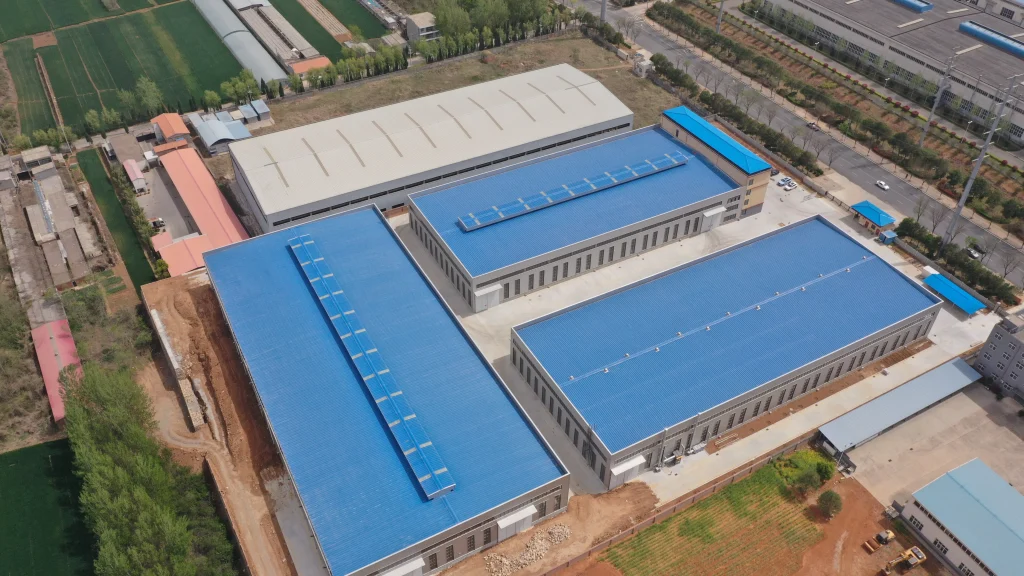
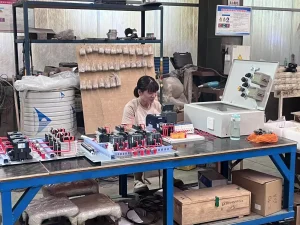
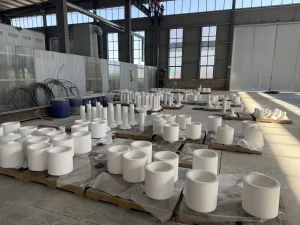
Une entreprise professionnelle spécialisée dans les services de technologie de traitement thermique et le R&D, fabrication, et vente de fours électriques haute température.
La société se concentre sur le développement de fours électriques à haute température couvrant une plage de températures complète de -100 ℃ à 2 600 ℃.. Ses produits comprennent des fours électriques expérimentaux, fours à atmosphère sous vide, fours industriels, et équipements de chauffage par induction à moyenne fréquence. Les principaux produits comprennent des fours à caissons, fours tubulaires, fours de levage, fours pousseurs, fours à bogies, fours rotatifs, fours tunnel, et divers fours spécialisés moyenne fréquence.
L'entreprise adhère à l'innovation technologique et a passé les certifications ISO9001 et CE de l'UE.. Il possède 21 marques déposées, 29 brevets, et 27 droits d'auteur sur les logiciels.
Méthodes de paiement
TT
Méthodes d'expédition
Le four électrique est emballé dans le four électrique est emballé en trois couches: d'abord enveloppé dans du papier mousse, puis enveloppé dans un film plastique, et enfin emballé dans une caisse en bois.
Foire aux questions (FAQ)
- What is the maximum operating temperature of high-temperature alloy resistance wire?
Depending on the material, the maximum operating temperature can reach 1380℃~1450℃.
- What equipment is high-temperature alloy resistance wire mainly used in?
Mainly used in industrial electric furnaces, laboratory electric furnaces, sintering furnaces, heat treatment furnaces, and other equipment requiring stable high-temperature heating.
- What is the difference between OCr21Al6Nb and OCr27Al7Mo2?
OCr27Al7Mo2 has a higher proportion of chromium, aluminum, and molybdenum, resulting in stronger oxidation resistance and high-temperature stability, with a maximum operating temperature reaching 1450℃.
- Can resistance wire be customized?
Oui. The diameter, length, winding method, and resistance value of the resistance wire can be customized according to the equipment power, tension, furnace size, and installation method.
- Is it normal for an oxide layer to appear on the surface of the resistance wire during high-temperature use?
Non, it is normal. The oxide protective layer formed during high-temperature operation can protect the base material and improve the durability of the resistance wire.