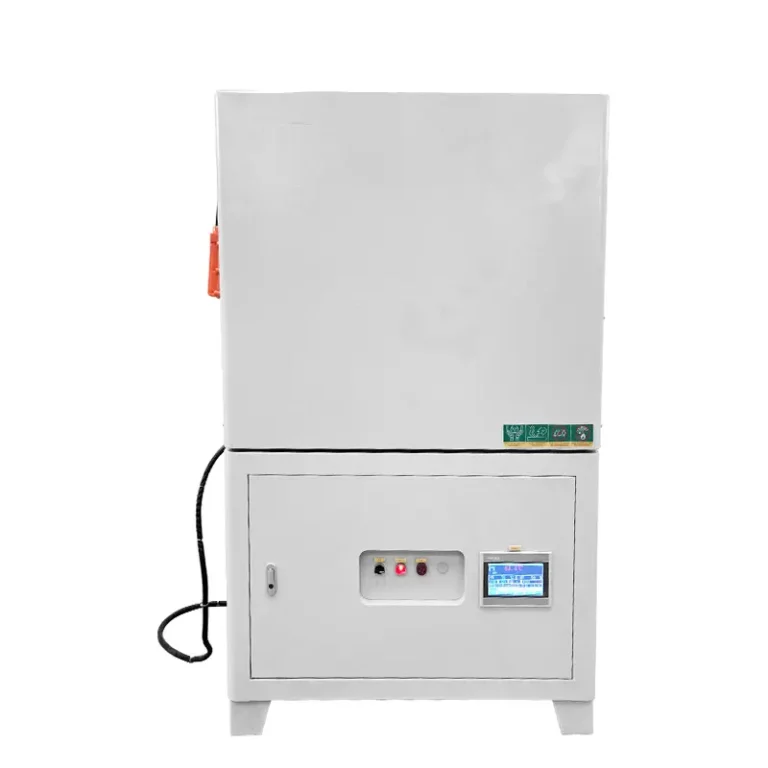
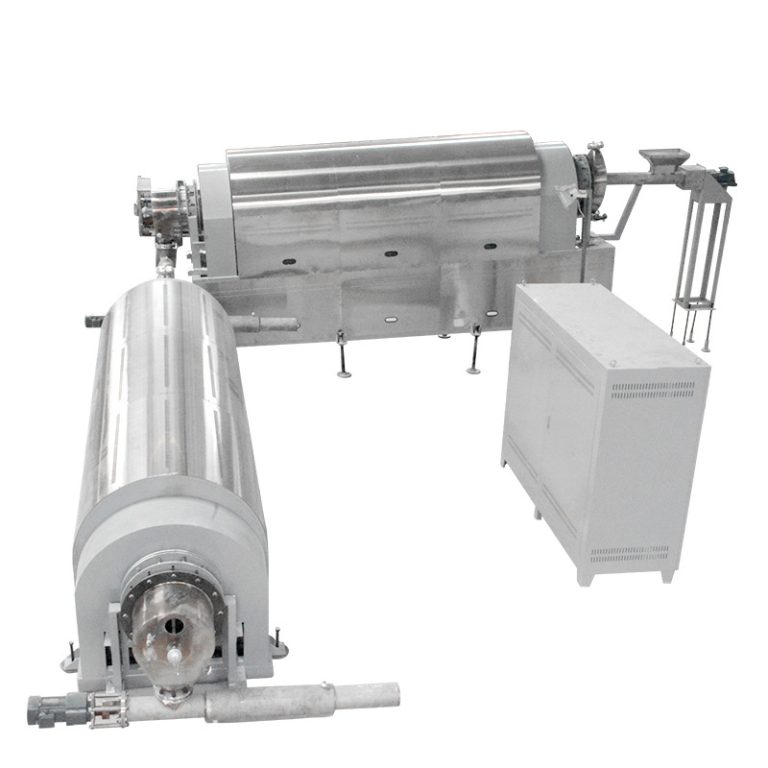
Luoyang Anjing Intelligence Equipment は高温電気炉の世界的リーダーです



Car Bottom Furnace vs. ピット炉: Key Differences and How to Choose
あ car bottom furnace is designed for large and heavy workpieces loaded horizontally on a movable hearth, while a pit furnace uses vertical loading and is better suited for long shafts, bars, tubes, molds, and tall workpieces.
私. Introduction
Choosing between a car bottom furnace and a pit furnace depends mainly on the size, shape, weight, and loading direction of the workpiece. Both are industrial heat treatment furnaces used for processes such as annealing, tempering, 焼結, normalizing, and stress relief, but their furnace structures are fundamentally different. A car bottom furnace provides a movable hearth for large and heavy loads, while a pit furnace uses a deep vertical chamber for long or vertically oriented components.
Understanding the difference can help manufacturers avoid selecting a furnace that is difficult to load, inefficient for the available floor space, or poorly matched to the required heat-treatment process.
Ⅱ. Car Bottom Furnace vs. ピット炉: What Is the Difference?
The simplest way to distinguish the two is by how the workpiece enters the furnace.
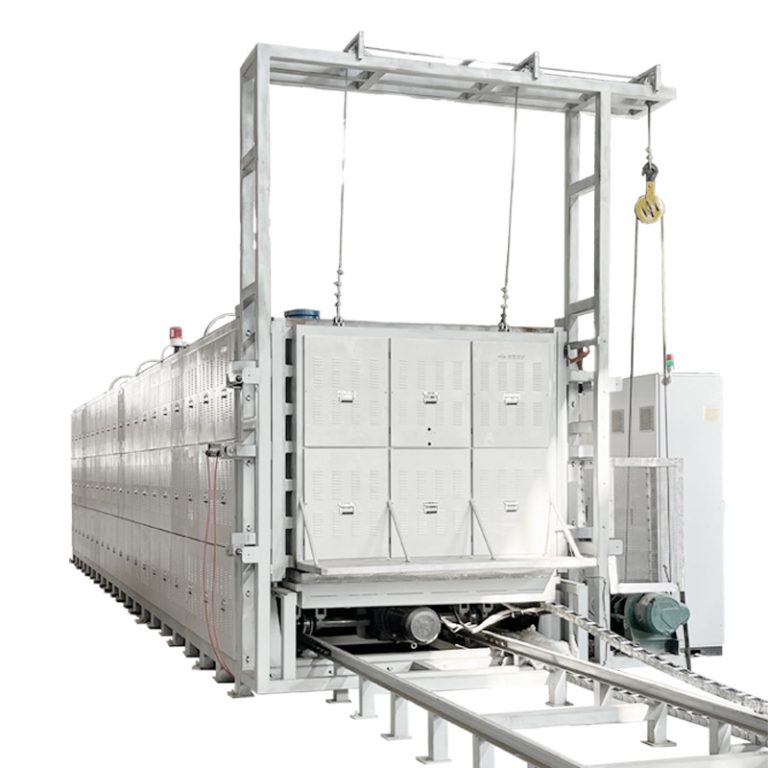
あ car bottom furnace, also called a bogie hearth furnace, has a movable furnace bottom or trolley. The workpiece is placed horizontally on the hearth, and the trolley moves into or out of the furnace chamber. This arrangement is particularly useful for large and heavy components that need to be loaded with a crane or other material-handling equipment.
あ pit furnace has a vertical, deep-well chamber. Workpieces are loaded from the top, normally with an overhead crane or lifting system. The vertical arrangement makes it suitable for long shafts, rods, tubes, long fasteners, molds, and large ring-shaped components.
Neither furnace is universally better.
The right choice depends on the workpiece geometry, loading method, production volume, furnace dimensions, temperature requirements, and available plant space.
1. Furnace Structure
The most obvious difference between a car bottom furnace and a pit furnace is the furnace geometry.
車底炉
A car bottom furnace has a horizontal furnace chamber with a movable hearth.
The hearth carries the workpiece and travels on rails into the furnace. Once the workpiece is positioned inside, the hearth and furnace door are sealed to reduce heat loss and maintain the required thermal environment. Your car bottom furnace design uses a sealing mechanism between the furnace door and trolley for this purpose.
This configuration makes the furnace particularly convenient when large components need to be loaded directly onto a platform.


ピット炉
A pit furnace uses a vertical chamber extending downward from floor level.
The workpiece is lowered into the furnace from above.
Your industrial pit furnace design uses a vertical deep-well structure with top loading, specifically intended for long components.
This structure changes the entire loading and plant-layout requirement.


2. Loading and Unloading
Loading is often more important than maximum furnace temperature when selecting industrial heat-treatment equipment.
車底炉: Horizontal Loading
A car bottom furnace allows operators to pull the hearth completely out of the furnace before loading.
The workpiece can then be positioned using:
- Overhead cranes
- Gantry cranes
- Forklifts
- Mechanical handling equipment
This is useful when processing large or heavy components.
The operator does not need to lower a long component deep into a narrow furnace chamber.
Your car bottom furnace product range uses an electrically driven trolley for loading and unloading, and the trolley capacity can be customized according to the customer’s requirements.
Best fit:Large + heavy + bulky workpieces
ピット炉: Vertical Loading
A pit furnace is loaded from the top.
The workpiece is typically suspended from a crane and lowered vertically into the furnace.
This arrangement is especially useful when the component is long enough that placing it horizontally would require an excessively long furnace.
Typical examples include:
- Shafts
- Rods
- Tubes
- Long bolts
- Studs
- Lead screws
- Long molds
- Drive shafts
Your industrial pit furnace range specifically lists long shafts, long screws, long sleeves, lead screws, fasteners and automotive shaft components among its applications.
Best fit:Long + tall + vertically oriented workpieces
3. Workpiece Shape: The Most Important Selection Factor
If you only consider one factor when choosing between a car bottom furnace and a pit furnace, consider the geometry of the workpiece.
Choose a Car Bottom Furnace for:
- Large plates
- Heavy castings
- Large refractory products
- Large machine components
- Large molds
- Heavy fabricated assemblies
- Bulky components
- Large batches of smaller components
The horizontal hearth provides a large loading surface.
Choose a Pit Furnace for:
- Long shafts
- Bars
- Tubes
- Long rods
- Long fasteners
- Lead screws
- Vertical molds
- Large bearing rings
- Gear rings
- Flanges
- Tall components
The vertical chamber prevents the workpiece from having to be bent or laid horizontally.
For long precision components, this can also help reduce the risk of deformation associated with horizontal positioning at elevated temperatures.
4. Floor Space and Plant Layout
Factory space can significantly influence furnace selection.
A car bottom furnace requires sufficient horizontal space for:
- The furnace chamber
- The trolley
- The trolley travel path
- Loading and unloading areas
- Crane or forklift access
When the hearth is pulled out, the plant must have enough clear space for safe loading.
A pit furnace uses vertical space instead.
The furnace chamber extends downward, allowing the equipment to accommodate long workpieces without requiring an equally long horizontal footprint.
This can make a pit furnace attractive when:
- Floor space is limited
- Workpieces are long
- A suitable foundation can be constructed
- Overhead crane access is available
However, a pit furnace requires careful consideration of foundation construction, pit depth, drainage, maintenance access, and lifting height.
したがって:
Limited floor space + long workpiece → Pit Furnace
Large open floor area + heavy horizontal workpiece → Car Bottom Furnace
5. Production Capacity
Both designs can be used for batch production.
The difference is how the batch is arranged.
車底炉
A large hearth can accommodate several components at the same time.
This can be useful for:
- Heavy batches
- Large castings
- Multiple machine components
- Refractory products
- Large fabricated parts
The loading platform can also be customized for different load capacities.
ピット炉
A pit furnace can process multiple vertically arranged components in one cycle.
例えば, several shafts, rods or long fasteners can potentially be arranged vertically, depending on furnace dimensions, load capacity and process requirements.
For high-throughput applications, production efficiency should be evaluated based on:
Batch weight × cycle time × loading/unloading time
rather than furnace chamber volume alone.
6. Maintenance and Service
Maintenance access is another practical consideration.
車底炉
The horizontal chamber and movable hearth generally provide relatively direct access to the furnace interior.
The hearth can be moved outside the furnace, providing convenient access for:
- Loading
- Inspection
- Refractory maintenance
- Heating-element inspection
- Cleaning
However, the trolley, rails, drive system and sealing mechanism are additional mechanical components that need periodic inspection.
ピット炉
The pit chamber is deeper, so maintenance planning is different.
Technicians may need to access the furnace from the top.
Important components include:
- Heating elements
- Furnace lining
- Thermocouples
- Temperature-control zones
- Furnace cover
- Lifting equipment
- Sealing components
For a deep industrial pit furnace, maintenance access should be considered during the initial equipment design rather than after installation.
7. Car Bottom Furnace vs. ピット炉: Which One Should You Choose?
The decision becomes easier when you start with the workpiece.
Choose a Car Bottom Furnace If:
- Your workpieces are large and heavy.
- Components are mainly horizontal.
- You need a large loading surface.
- Crane or forklift loading is important.
- You process large castings or fabricated components.
- You need convenient access to the furnace hearth.
- Your factory has sufficient horizontal floor space.
Typical selection:
Large + heavy + bulky → 車底炉
Choose a Pit Furnace If:
- Your workpieces are long and slender.
- Components should remain vertical during heat treatment.
- You process shafts, rods, tubes or long fasteners.
- Floor space is limited.
- You have suitable overhead crane access.
- Vertical loading can simplify material handling.
- Deformation caused by horizontal positioning is a concern.
Typical selection:
Long + tall + vertical → ピット炉
8. Can a Car Bottom Furnace Replace a Pit Furnace?
Sometimes, but not always.
A long shaft can technically be placed horizontally in a sufficiently large car bottom furnace. However, this changes the loading method and may affect the mechanical support of the workpiece during heating.
For long components where vertical positioning is part of the heat-treatment strategy, a pit furnace can provide a more natural configuration.
Likewise, a pit furnace can technically process some heavy components, but loading a very large, wide workpiece vertically may be impractical.
The key question is not:
“Can the furnace physically fit the workpiece?”
The better question is:
“Which furnace configuration gives the most practical and repeatable loading, heating and unloading process?”
Ⅲ. Car Bottom Furnace vs. ピット炉: Quick Comparison
| Factor | 車底炉 | ピット炉 |
|---|---|---|
| Furnace structure | Horizontal chamber with movable hearth | Vertical deep-well chamber |
| Loading direction | Horizontal | Vertical |
| Workpiece orientation | Usually horizontal | Usually vertical |
| Large heavy workpieces | Excellent | Suitable depending on geometry |
| Long shafts and bars | Possible, but horizontal loading required | Excellent |
| Large flat components | Excellent | Less suitable |
| Large rings | Suitable | Excellent for vertical loading |
| Loading equipment | Crane, forklift, trolley | Overhead crane or lifting equipment |
| Floor space | Larger horizontal footprint | Smaller floor footprint for tall loads |
| Furnace depth/height | Moderate to large | Deep/tall chamber |
| Temperature zones | Multi-zone heating available | Multi-zone control is particularly useful for long parts |
| Batch processing | Excellent | Excellent |
| Atmosphere options | Can be customized | Can be customized |
| Maintenance access | Generally straightforward | Requires consideration of vertical chamber access |
| Best suited for | Large, heavy, bulky workpieces | Long, tall or vertically oriented workpieces |
Ⅳ. Conclusion
The main difference between a car bottom furnace and a pit furnace is the loading direction and workpiece configuration. A car bottom furnace uses a movable horizontal hearth and is well suited to large, heavy and bulky components. A pit furnace uses a vertical deep chamber and is particularly suitable for long shafts, bars, tubes, fasteners, molds and ring-shaped components.
For large horizontal workpieces, focus on hearth capacity, trolley design, chamber dimensions and loading access. For long vertical components, focus on furnace depth, heating-zone control, crane capacity and vertical temperature uniformity.
If you are unsure which furnace configuration fits your application, provide your workpiece dimensions, weight, material, target temperature, batch size and heat-treatment process. Luoyang Anjing Intelligence Equipment can develop a customized car bottom furnace or pit furnace based on your actual production requirements.
クリック “見積もりを依頼する” カスタマイズされたソリューションを入手するには.
V. よくある質問
1. What is the difference between a car bottom furnace and a pit furnace?
A car bottom furnace uses a movable horizontal hearth for loading large and heavy workpieces, while a pit furnace uses a vertical deep chamber and loads workpieces from the top. The choice mainly depends on workpiece shape, サイズ, weight and loading direction.
2. Which is better for long shafts, a car bottom furnace or a pit furnace?
A pit furnace is generally better suited to long shafts because the workpiece can be loaded vertically. This avoids the need for a very long horizontal chamber and can help maintain the desired workpiece orientation during heat treatment.
3. Which furnace is better for large and heavy workpieces?
A car bottom furnace is commonly suited to large and heavy workpieces because the movable hearth can be pulled outside the furnace for loading with a crane or other handling equipment. The hearth capacity and dimensions can also be customized.
4. Is a pit furnace more energy-efficient than a car bottom furnace?
Neither furnace type is automatically more energy-efficient. Actual energy consumption depends on insulation, furnace sealing, loading ratio, heating cycle, operating temperature and control strategy. These factors should be compared using actual energy consumption per batch or per ton of processed material.
5. Can a car bottom furnace and pit furnace use the same heating temperature?
はい. Both can be designed for similar temperature ranges, but the appropriate heating elements, insulation, chamber dimensions and temperature-control zones depend on the process. Your product range includes car bottom furnaces and industrial pit furnaces with different temperature and configuration options.
サプライヤー
洛陽安京智能設備有限公司, 株式会社. 研究に特化した企業です, 発達, 生産, 販売, 高温電気炉等の熱処理装置の技術サービス. ラボをプロデュースします, 空の, 工業用, 中周波炉, -100℃~2600℃の温度範囲をカバー, 新エネルギーなどの産業に貢献, 半導体, そして先進的な素材. 特定の雰囲気に基づいてカスタマイズされたソリューションを提供できます, 超高温, インテリジェント制御システムの要件. ご興味がございましたらお気軽にお問い合わせください.