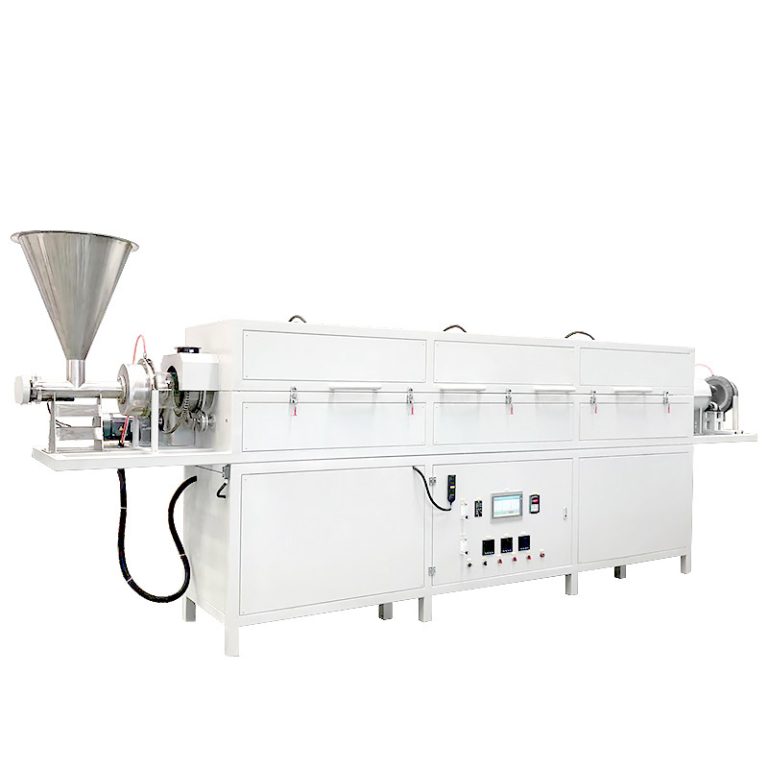
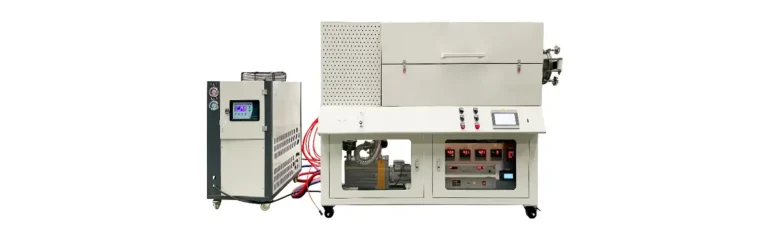
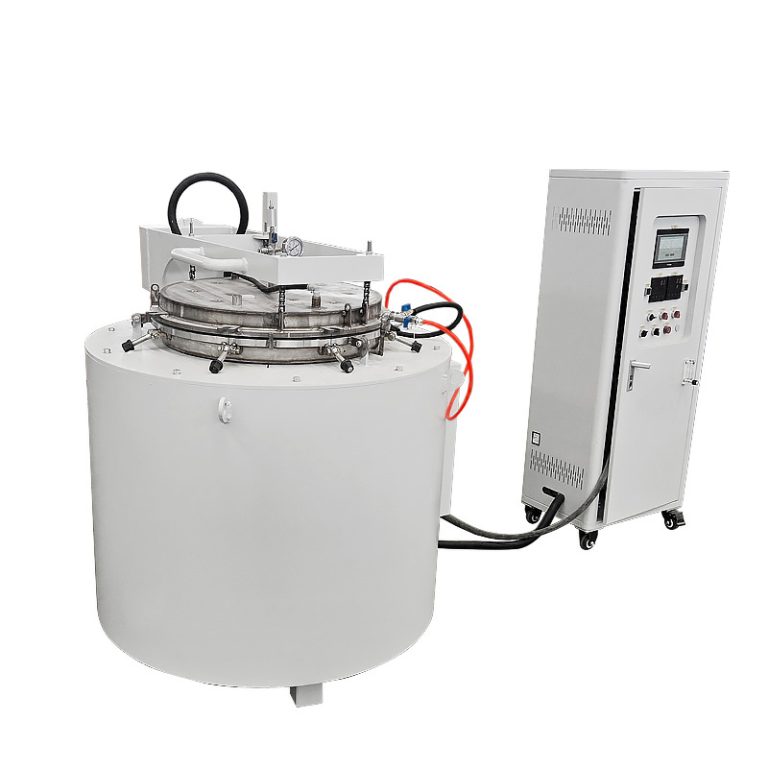
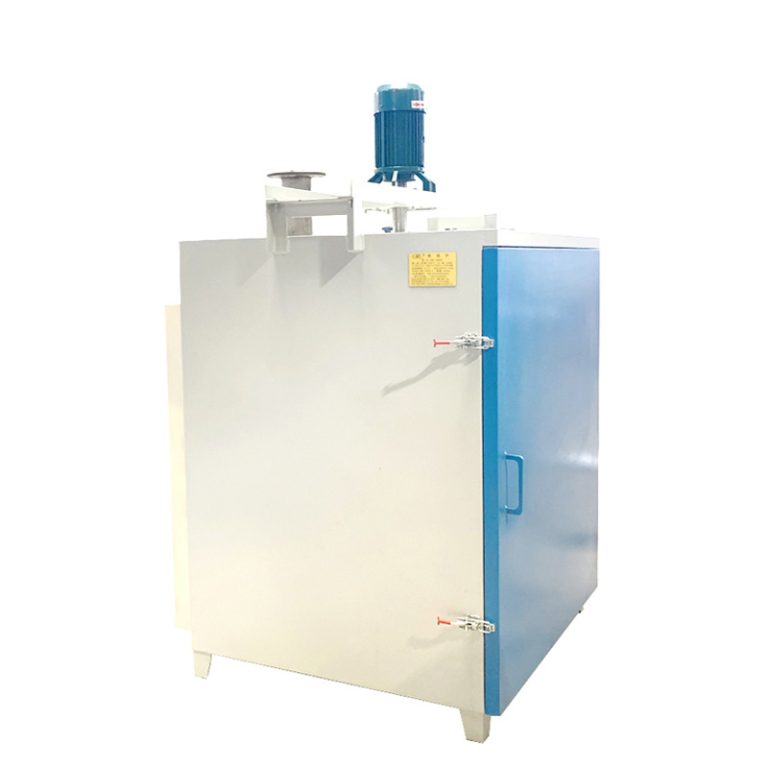
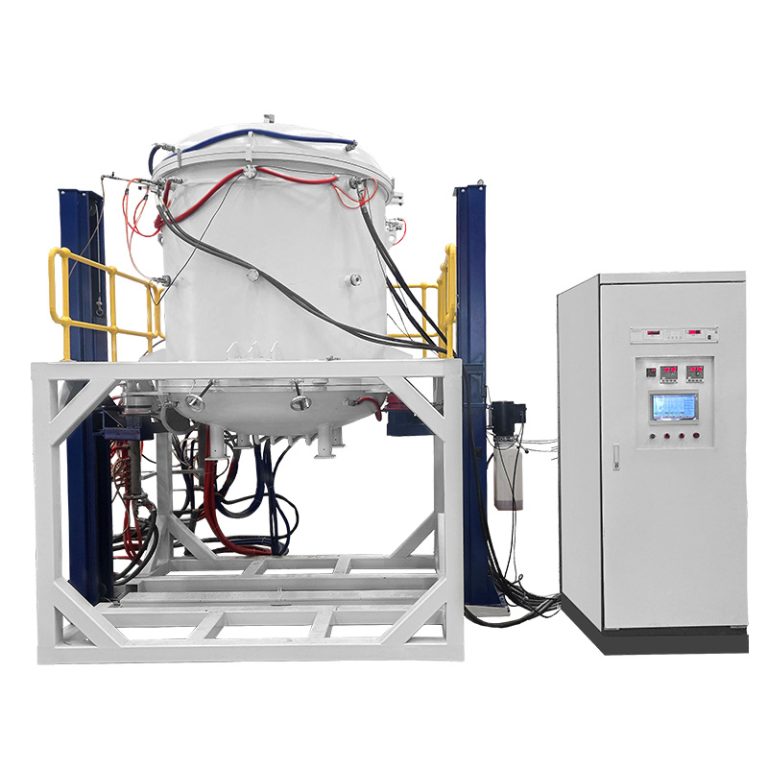
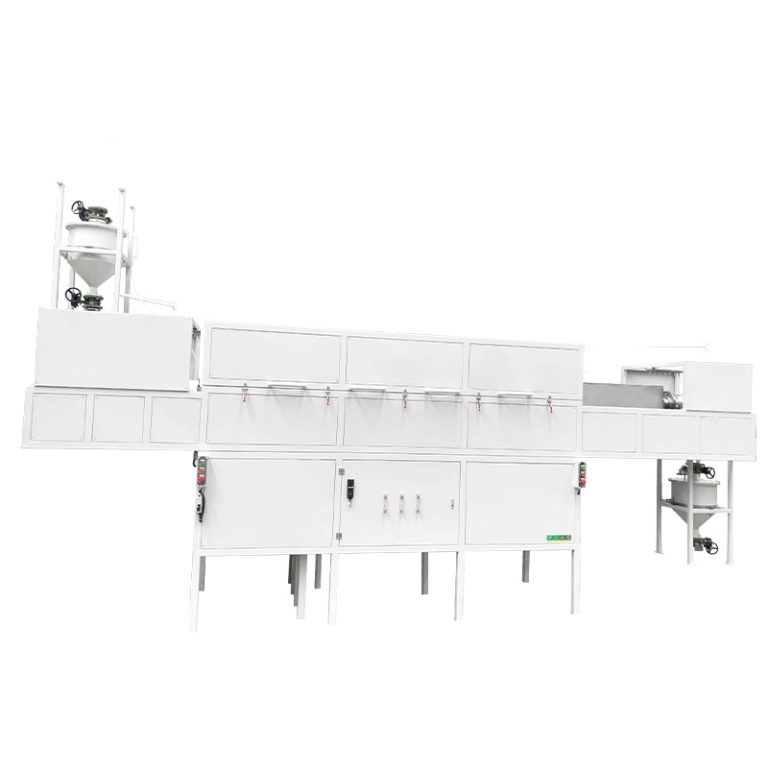
Luoyang Anjing Intelligence Equipment は高温電気炉の世界的リーダーです



What Are the Different Types of Heating Elements?
The main types of electric furnace heating elements include high-temperature alloy resistance wire, silicon carbide (SiC) rods, molybdenum disilicide (MoSi₂) rods, and specialized high-temperature elements, with selection based mainly on temperature, 雰囲気, furnace design, and application.
私. What is a Heating Element?
heating element is an electrically resistive component that generates heat when electric current passes through it. In an electric furnace, the heating elements are positioned around the furnace chamber or within the hot zone to transfer heat to the workpiece through radiation and convection.
The heating element is not simply a replaceable accessory. It is one of the components that determines the practical operating range of the furnace.
Ⅱ. What Are the Main Types of Heating Elements?
1. High-Temperature Alloy Resistance Wire
High-temperature alloy resistance wire is one of the most widely used heating elements in electric furnaces.
Common furnace alloys include iron-chromium-aluminum (FeCrAl) and nickel-chromium-based resistance alloys. The exact alloy should be selected according to the furnace temperature, 雰囲気, electrical requirements, and element geometry.
How Does Resistance Wire Work?
When electrical current passes through the resistance wire, electrical energy is converted into heat. The wire is usually formed into a coil or other suitable geometry and installed in grooves or supports within the furnace lining.
Advantages
- Relatively simple furnace construction
- Good controllability
- Suitable for many laboratory and industrial furnaces
- Relatively straightforward replacement
- Cost-effective for moderate-temperature applications
- Suitable for air-atmosphere heating when the selected alloy is compatible with the operating conditions
Limitations
Resistance wire has a lower practical temperature range than specialized ceramic heating elements.It is therefore generally selected for lower-temperature furnace configurations.
例えば, our box furnace specifications use high-temperature alloy wire for the 1200°C configuration, while SiC and MoSi₂ are used as the temperature rating increases.
代表的な用途
High-temperature alloy resistance wire is suitable for:
- Laboratory muffle furnaces
- 熱処理
- Annealing
- Preheating
- Ceramic processing
- General materials testing
- Lower- and medium-temperature industrial furnaces

2. Silicon Carbide (SiC) Heating Rods
Silicon carbide heating elements, commonly called SiC rods, are ceramic resistance elements designed for higher-temperature furnace applications.They are available in different geometries and sizes depending on the furnace design and electrical requirements.
Why Choose SiC Heating Elements?
SiC elements can operate at substantially higher temperatures than conventional metallic resistance wires and are widely used in high-temperature furnaces and kilns.They are particularly useful when a furnace needs a higher operating temperature while still operating in an oxidizing atmosphere.
Advantages of SiC Rods
- High-temperature capability
- Suitable for many air-atmosphere furnace applications
- High power density
- Self-supporting designs are available
- Suitable for large furnace chambers
- Available in different shapes and sizes
SiC elements can also be arranged along the sides, top, bottom, or other locations of the furnace chamber to create the required heating field.
Limitations
SiC is a ceramic material, so the elements can be mechanically fragile compared with metallic resistance wires.Another important characteristic is element aging. The electrical resistance of SiC elements can increase during service, which may require adjustment of the electrical power system or replacement of element groups over time.
代表的な用途
SiC heating rods are commonly used in:
- セラミック焼結
- 熱処理
- ガラス加工
- 材料研究
- High-temperature laboratory furnaces
- 工業用窯
- Powder processing
Our furnace configurations use SiC rods in the 1400°C class, demonstrating their role in higher-temperature electric furnace systems.
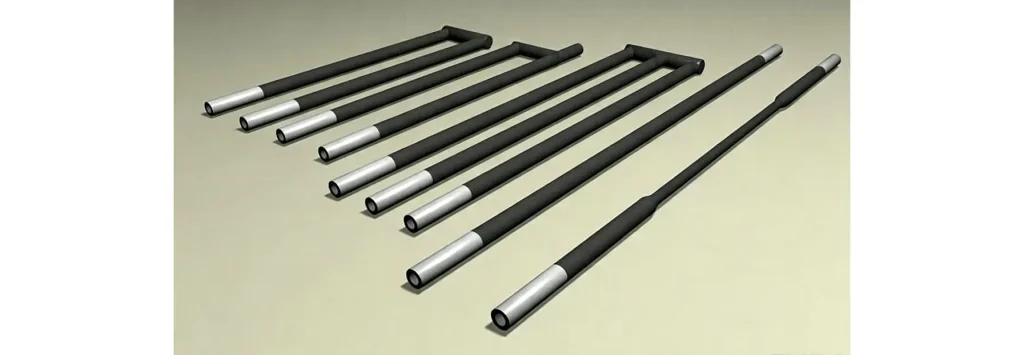
3. Molybdenum Disilicide (MoSi₂) Heating Rods
Molybdenum disilicide (MoSi₂) is a refractory ceramic/intermetallic heating-element material designed for high-temperature furnace applications.
MoSi₂ elements are particularly important when furnace temperatures approach or exceed the practical range of conventional resistance wire and SiC elements.
At high temperature in an oxidizing environment, MoSi₂ can form a protective silicon dioxide layer that helps protect the element from further oxidation.
Advantages of MoSi₂ Heating Elements
- Very high operating-temperature capability
- High power density
- Relatively stable electrical resistance
- Suitable for high-temperature laboratory and industrial furnaces
- Good resistance to oxidation at high temperatures under appropriate operating conditions
- Available in different shapes and sizes
One important advantage is that MoSi₂ has relatively stable resistance characteristics compared with SiC elements during service. It can therefore be advantageous for furnace designs requiring stable electrical characteristics.
Limitations
MoSi₂ elements are more expensive than conventional metallic resistance elements.They are also ceramic and can be damaged by mechanical impact or improper handling.
The electrical system may require specialized power-control and transformer configurations because of the electrical characteristics of MoSi₂ elements.
代表的な用途
MoSi₂ heating elements are widely used for:
- セラミック焼結
- Advanced materials research
- High-temperature heat treatment
- Powder metallurgy
- Laboratory high-temperature furnaces
- Semiconductor-related thermal processing
- Industrial high-temperature kilns
Our box-furnace configurations use MoSi₂ elements beginning with the 1600°C class, with specialized MoSi₂ grades used for higher-temperature configurations up to 1800°C.


4. Graphite Heating Elements
Graphite heating elements are used primarily in specialized high-temperature furnaces operating under vacuum or controlled atmospheres.Graphite can withstand extremely high temperatures under suitable non-oxidizing conditions, making it useful for specialized thermal-processing systems.However, graphite is readily oxidized at elevated temperatures in air.
したがって, graphite heating elements generally require:
- 真空
- Inert gas
- Controlled atmosphere
- Or another suitable non-oxidizing environment
This makes graphite fundamentally different from resistance wire, SiC, and MoSi₂ elements commonly used in air furnaces.
代表的な用途
Graphite heating elements can be used in:
- Vacuum furnaces
- Vacuum heat treatment
- High-temperature sintering
- Carbonization
- Graphitization
- Specialty materials processing
For these applications, the furnace atmosphere is just as important as the heating element itself.
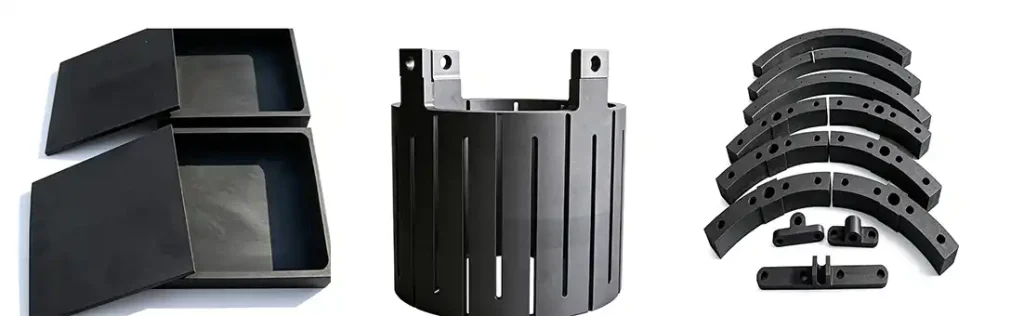
5. Molybdenum and Other Refractory-Metal Heating Elements
Some specialized vacuum and controlled-atmosphere furnaces use refractory-metal heating elements, including molybdenum.These elements can be suitable for high-temperature environments where contamination control and non-oxidizing atmospheres are critical.They are generally not the first choice for conventional air furnaces because refractory metals such as molybdenum can oxidize rapidly at high temperatures in air.
They are more appropriate for specialized:
- Vacuum furnaces
- Hydrogen or inert-atmosphere furnaces
- High-purity material processing
- Metallurgical applications
- Advanced material sintering
The exact element material should be selected according to temperature, vacuum level, 雰囲気, material compatibility, and contamination requirements.
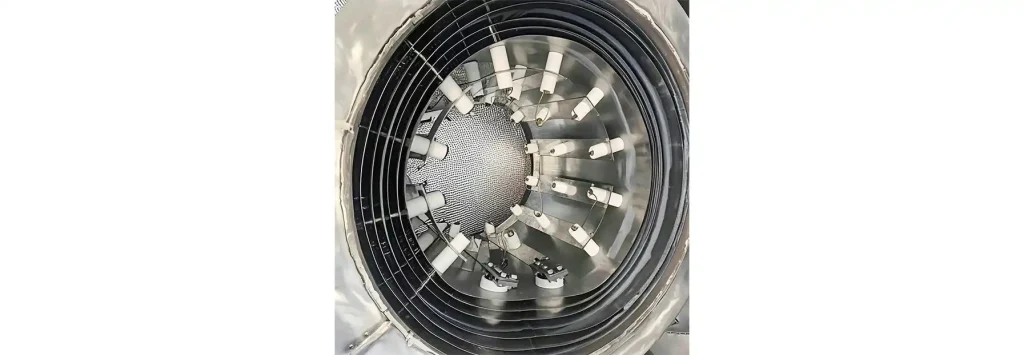
6. 1800-Type, 1850-Type and 1900-Type MoSi₂ Heating Elements
Not all MoSi₂ elements are identical.
Different grades and designs are available for different maximum element temperatures and furnace operating conditions.
Our industrial furnace specifications list:
| Furnace Temperature Class | 発熱体 |
|---|---|
| 1200℃ | High-temperature alloy resistance wire |
| 1400℃ | Silicon carbide (SiC) rod |
| 1600℃ | MoSi₂ rod |
| 1700℃ | 1800-type MoSi₂ rod |
| 1800℃ | 1850-type MoSi₂ rod |
| 1900℃ | 1900-type MoSi₂ rod |
These configurations are used in our high-temperature pusher plate furnace systems.
The important point is that the heating element should be selected based on the actual furnace temperature and process requirements, rather than choosing an element simply because it has a higher nominal temperature rating.
III.How Do You Choose the Right Heating Element?
1. Operating Temperature
Consider the maximum, 継続的な, and holding temperatures, as well as heating rate and cycle frequency.
Choose the element based on the actual process and furnace design—not simply the maximum furnace temperature.
2. 炉の雰囲気
The atmosphere directly affects the selection of heating elements. When selecting a model, it’s necessary to confirm whether the furnace burns air, a vacuum, or uses a protective atmosphere such as nitrogen, argon, or hydrogen. 例えば, graphite elements work fine in a vacuum or inert atmosphere, but cannot be used in air, otherwise they will oxidize rapidly.
3. Material Compatibility
When selecting a model, it is also necessary to consider the workpiece’s sensitivity to oxidation, cleanliness requirements, whether it will produce volatiles, and whether there is dust or corrosive gas.
4. Furnace Size & Heating Layout
Chamber size and temperature uniformity determine the required heating power and element configuration.Depending on the application, heating may use side, top, bottom, three-sided, or multi-zone layouts with independent temperature control.
5. Maintenance & Replacement
Before selecting components, it is necessary to clarify their size, resistance, voltage, power, shape, mounting method, terminal type, 動作温度, and atmospheric conditions. At the same time, the ease of replacement and the availability of spare parts should be assessed to reduce future maintenance costs.
Common Heating Element Shapes
| Heating Element Shape | Typical Material | Common Applications | Key Advantages |
|---|---|---|---|
| Coiled Resistance Wire | Metallic resistance wire | Low–medium temperature furnaces | Flexible installation, easy replacement |
| U-Shaped SiC Rod | SiC | 高温炉 | Two-end support, large heated surface |
| Straight SiC Rod | SiC | 高温炉 | Simple linear installation |
| U-Shaped / Bent MoSi₂ Rod | MoSi₂ | 高温炉 | Flexible side/top arrangement |
| Strip / Plate Element | Various | Specialized furnace designs | Large radiating surface, customized heating geometry |
IV.Summarize
The main types of electric furnace heating elements are high-temperature alloy resistance wire, silicon carbide (SiC) rods, molybdenum disilicide (MoSi₂) rods, specialized high-temperature MoSi₂ elements, graphite, and refractory-metal elements. Our furnace systems use different heating elements across temperature classes from approximately 1200°C to 1900°C, allowing the heating system to be matched to the process.Need a replacement heating element or customized electric furnace?View our Electric Furnace Accessories
If you are replacing a heating element or designing a new high-temperature electric furnace, send us your furnace temperature, chamber size, 雰囲気, element dimensions, and application. Our technical team can help identify the appropriate heating element specification.
クリック “見積もりを依頼する” カスタマイズされたソリューションを入手するには.
V. よくある質問
1. What are the different types of heating elements used in electric furnaces?
The main heating elements of electric furnaces include high-temperature alloy resistance wires, silicon carbide rods, molybdenum disilicide rods, graphite elements, and refractory metal heating elements.
2. Which heating element is best for a 1200°C furnace?
For furnaces operating at 1200℃, high-temperature alloy resistance wire is a commonly used choice if the process and atmosphere conditions are suitable. Our furnace’s 1200℃ configuration uses high-temperature alloy resistance wire.
3. What is the difference between SiC and MoSi₂ heating elements?
Both silicon carbide and molybdenum disilicide are high-temperature ceramic heating elements, but their electrical properties and lifespan characteristics are different.
4. Can MoSi₂ heating elements be used in an air furnace?
はい. MoSi₂ heating elements are commonly used in high-temperature air furnaces. At high temperature in oxidizing conditions, MoSi₂ can form a protective silica layer. However, the actual allowable operating conditions depend on the element grade, furnace design, temperature, heating cycle, and manufacturer specifications.
5. How do I know which heating element I need?
When selecting a model, you need to provide the manufacturer with parameters such as operating temperature, 炉の雰囲気, furnace size, heating power, existing component size, and materials to be processed.
サプライヤー
洛陽安京智能設備有限公司, 株式会社. 研究に特化した企業です, 発達, 生産, 販売, 高温電気炉等の熱処理装置の技術サービス. ラボをプロデュースします, 空の, 工業用, 中周波炉, -100℃~2600℃の温度範囲をカバー, 新エネルギーなどの産業に貢献, 半導体, そして先進的な素材. 特定の雰囲気に基づいてカスタマイズされたソリューションを提供できます, 超高温, インテリジェント制御システムの要件. ご興味がございましたらお気軽にお問い合わせください.