


Luoyang Anjing Intelligence Equipment는 고온 전기로 분야의 글로벌 리더입니다.



회전로
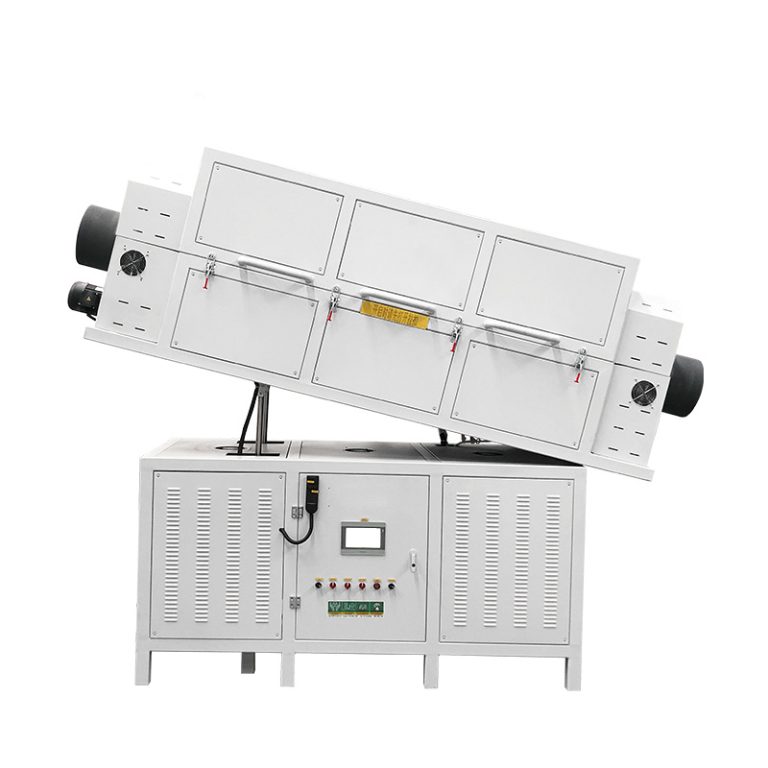
1400°C Rotary Tube Furnace for Laboratory and Industrial Heating Applications
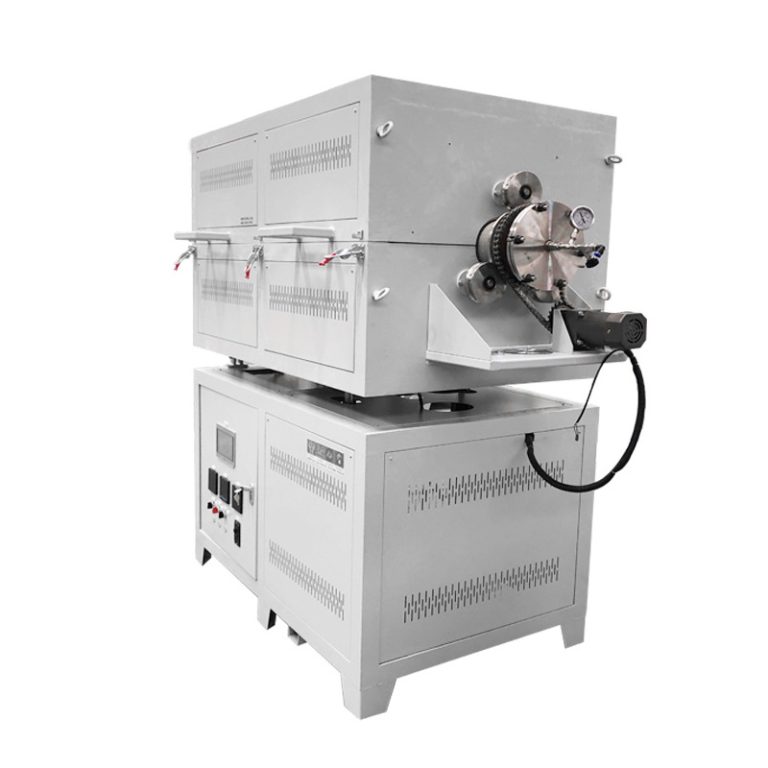
Nitrogen Atmosphere Rotary Furnace for Controlled Heat Treatment
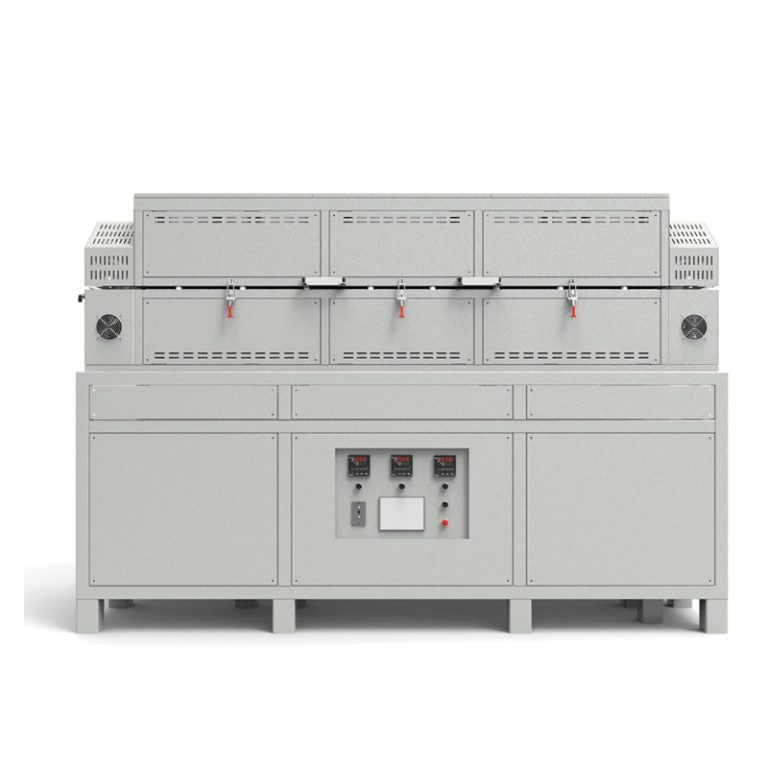
Vacuum Atmosphere Rotary Furnace
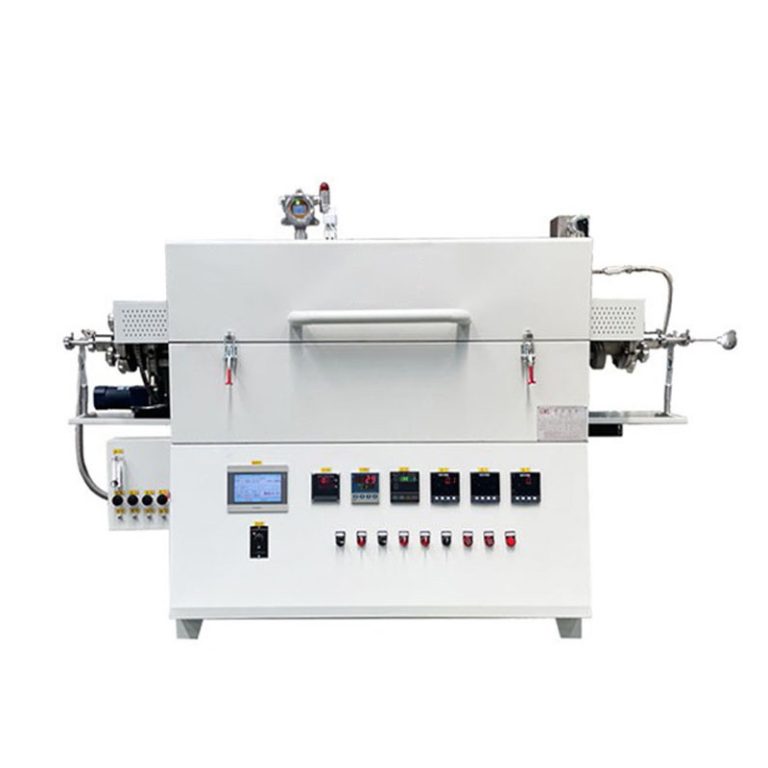
Vacuum Atmosphere Rotary Furnace
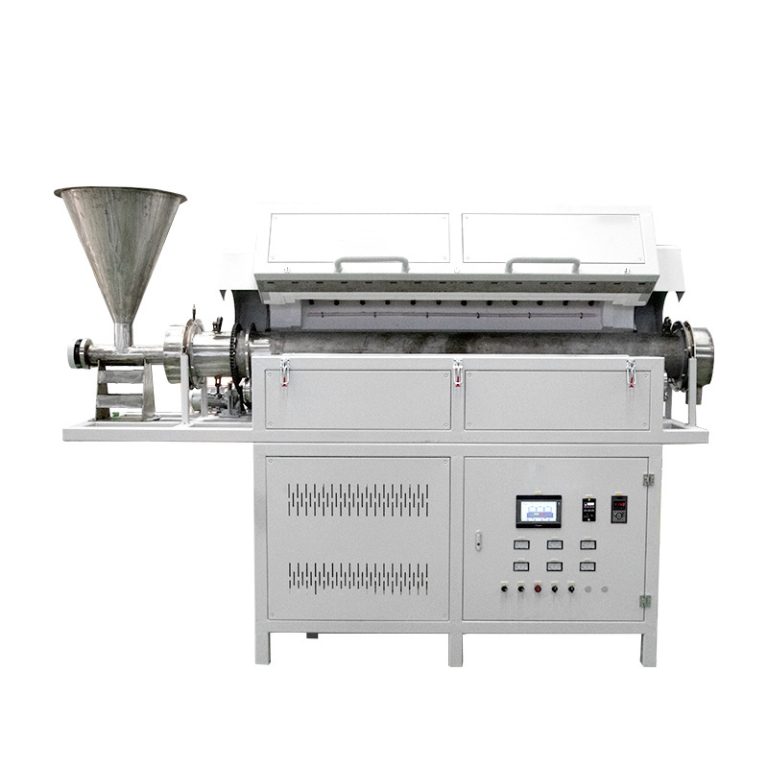
1000°C Three-Zone Inclined Rotary Tube Furnace System
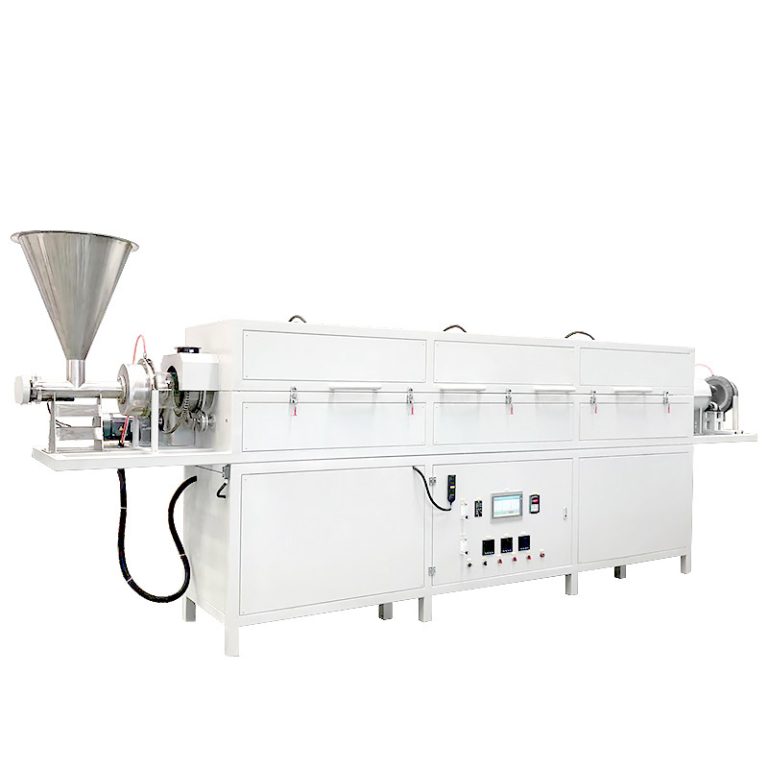
1150°C High-Purity Powder Calcining Rotary Furnace For Quartz Glass
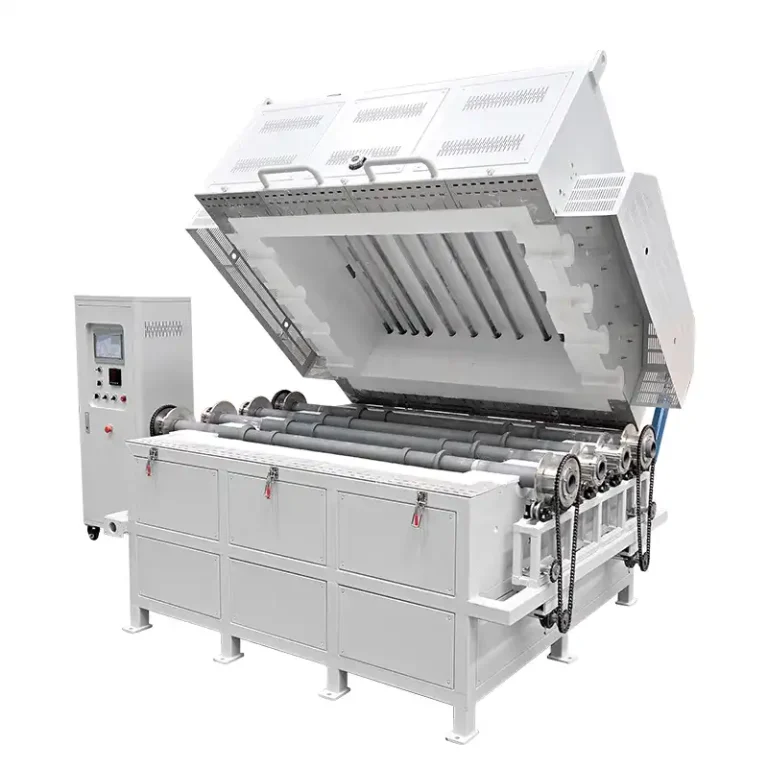
Intermittent Rotary Furnace
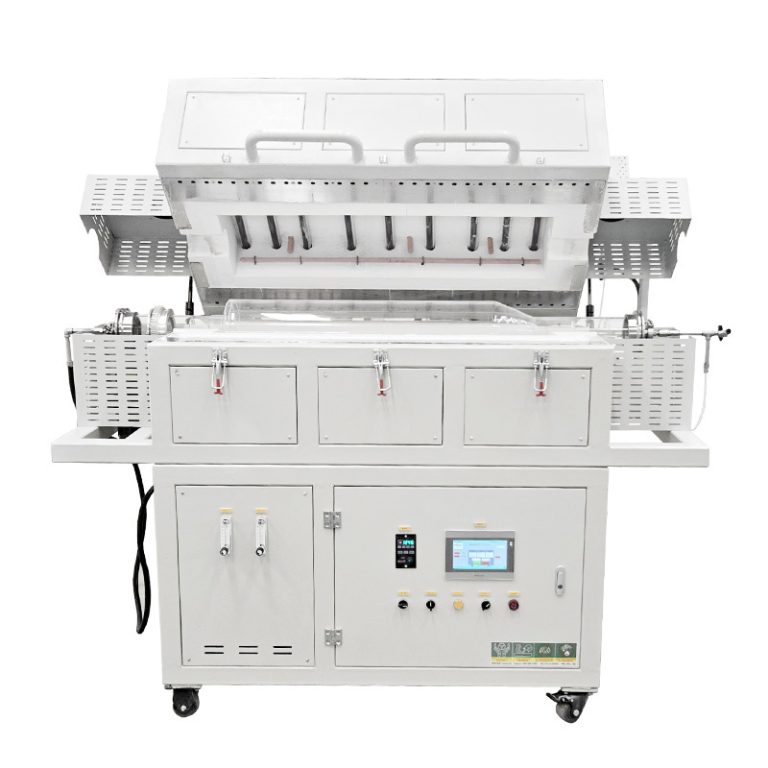
1200°C Tilting Rotary Tube Furnace for Continuous Heat Processing
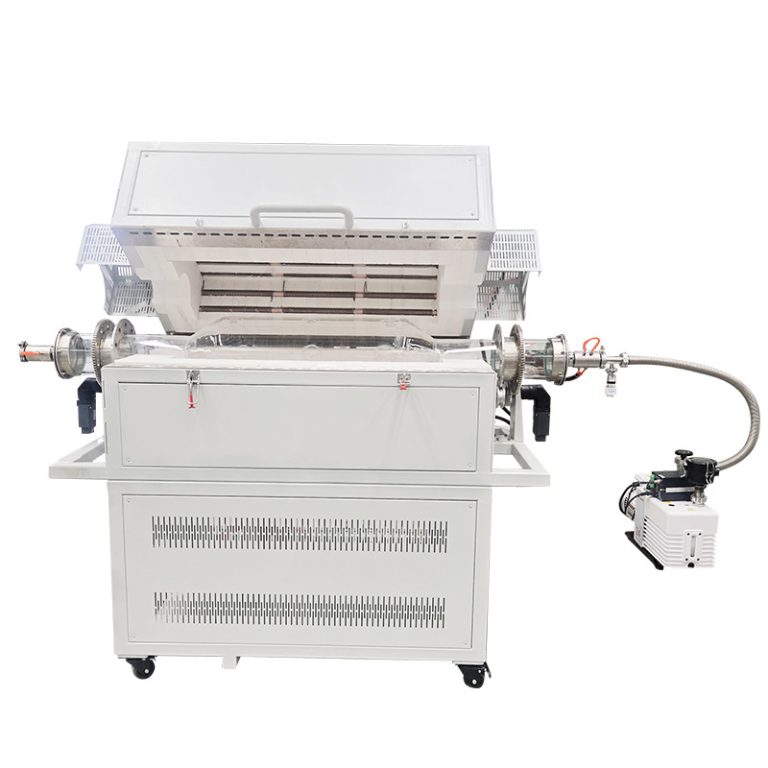
1200균일한 열처리를 위한 °C 소형 회전로
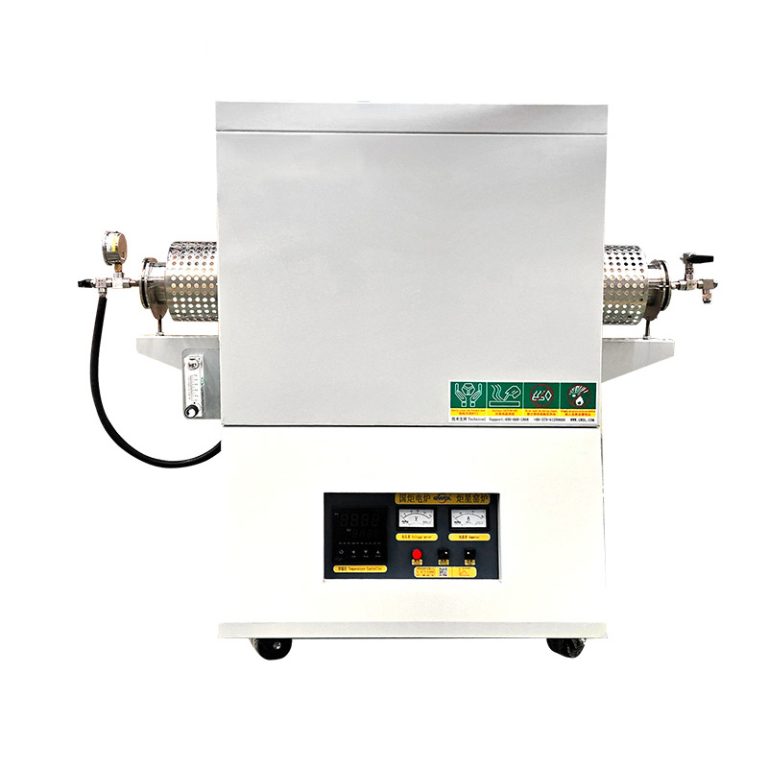
1600°C CVD Multi-Zone Tube Furnace
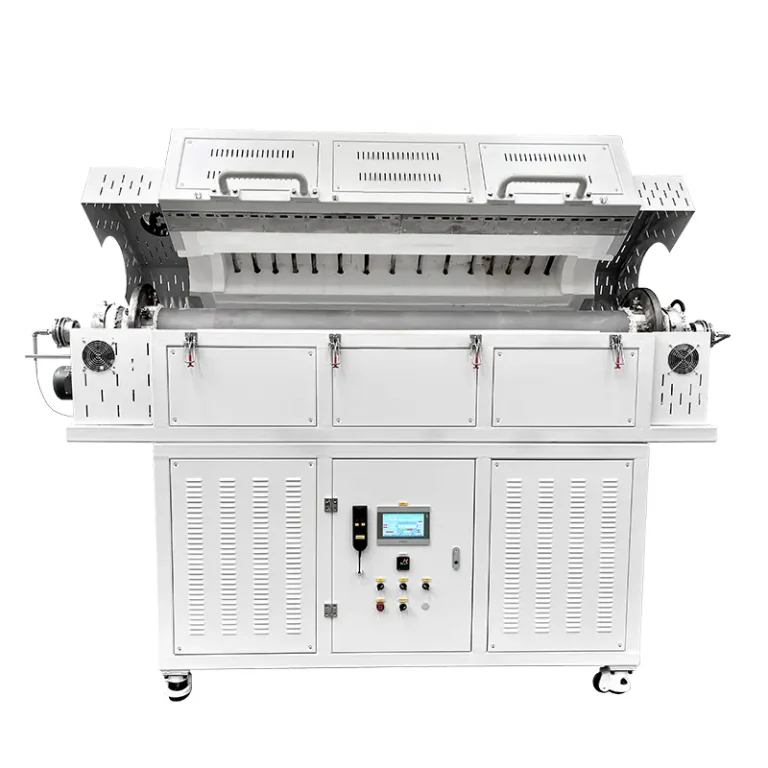
1400GA Rotary Furnace and Tilting Tubular Electric Furnace for Laboratory Heat Treatment
Laboratory Rotary Furnace
Rotary Furnace are primarily used for heating, calcining, and thermal reactions of powdered and granular materials, suitable for laboratory and small-batch continuous processing. The equipment relies on the rotation of the furnace tubes or the furnace body itself to continuously turn the material during heating, ensuring more uniform heating and making it suitable for processes requiring high temperature consistency. The compact structure of the entire machine makes it convenient to use in a laboratory setting.
In practical applications, the processing can be controlled by adjusting the rotation speed, tilt angle, and temperature profile to meet the experimental requirements of different materials.
제품특징 (회전로)
- Designed for Powders and Granular Materials
This equipment is designed for laboratory-scale material synthesis, 분말 하소, and thermal reactions. It is suitable for the uniform heating, mixing, and thermal reactions of powders and granular materials. Controllable rotation and multi-temperature zone control ensure consistent processing results and excellent temperature uniformity.
- Controllable Rotation for Uniform Material Heating
The furnace tube rotates continuously, causing the material to tumble and mix within the tube, preventing localized overheating or uneven sintering. The rotation speed is infinitely adjustable, allowing users to flexibly set it according to material characteristics and process requirements.
- Independent Temperature Zone Control
Multiple independent temperature control zones are set along the length of the furnace tube. 각 구역은 자체 온도로 설정 가능, precisely controlling the heating rate and holding temperature of the material at different stages. Excellent temperature uniformity is provided, making it particularly suitable for processes with strict temperature profile requirements.
- Adjustable Tilting Angle
The furnace body has an adjustable tilt angle, and the material will slowly move towards the discharge end during rotation, enabling small-batch continuous processing. Users can adjust the tilt angle according to the processing volume and residence time to achieve semi-continuous or continuous production.
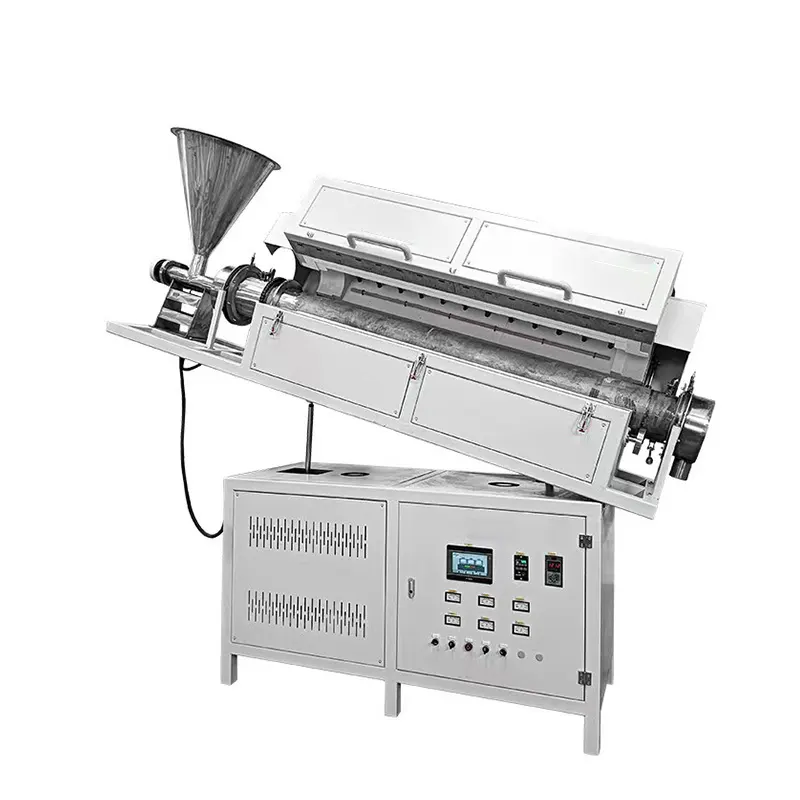
- Compact Structure and Modular Design
The equipment is small in size and occupies little space, making it suitable for university laboratories, research institutions, and pilot-scale material development projects. The modular design facilitates maintenance and functional expansion, and rotary furnace tubes of different materials (quartz, 강옥, metal, 등.) can be selected as needed.
| 목 | 1050℃ Model | 1250℃ Model | 1450℃ Model |
| 온도 | 1050℃ | 1250℃ | 1450℃ |
| Long-term Working Temperature | ±1℃ | ±1℃ | - |
| Furnace Tube Material | Stainless Steel Tube / Corundum Tube | Stainless Steel Tube / Corundum Tube | Corundum Tube |
| Rotation Speed | 1-10 r/min, adjustable | 1-15 r/min | 1-15 r/min |
| Temperature Uniformity in Furnace | Multi-point temperature control available for higher requirements | Multi-point temperature control available for higher requirements | Multi-point temperature control available for higher requirements |
| Temperature Sensor & Measuring Range | NiCr-NiSi, 0-1350℃ | NiCr-NiSi, 0-1350℃ | Pt-Rh, 0-1700℃ |
| Programmable Curve Segments | Group 1: 22 세그먼트; Group 2: 8 세그먼트; Group 3: 50 세그먼트 | Group 1: 22 세그먼트, Heating rate: 1℃/h to 45℃/h | ≤45℃/h |
| Computer Interface | RS485, RS232, USB | ||
응용분야 (회전로)
- Ceramic Precursor Calcination:Suitable for the calcination and pre-calcination of ceramic powder precursors. Rotation ensures uniform heating of the powder, preventing agglomeration and improving calcination quality.
- Battery Material Synthesis:Suitable for the high-temperature synthesis and sintering of lithium-ion battery cathode materials (lithium iron phosphate, 삼원 재료, 등.) and anode materials. A protective atmosphere can be introduced to prevent material oxidation and ensure electrochemical performance.
- Metal Oxide Reduction:Suitable for the reduction treatment of metal oxide powders (e.g., reduction of iron oxide to iron powder, reduction of copper oxide to copper powder, 등.). Hydrogen or carbon monoxide reducing atmospheres can be introduced for efficient reduction.
- Binder Removal (Binder Debinding):Suitable for the thermal debinding of binders in powder metallurgy and ceramic forming. Rotation ensures sufficient contact between the powder and air at low temperatures, resulting in uniform binder removal and preventing localized carbonization.
- Catalyst Preparation:Suitable for the calcination and activation of catalyst supports. A specific atmosphere can be introduced to precisely control the calcination temperature and atmosphere composition, ensuring catalyst activity.
- New Materials R&디:Suitable for the synthesis, modification, and heat treatment of various novel powder materials. The equipment is versatile, allowing for flexible switching of process conditions to meet the needs of exploratory experiments.
- Universities and Research Institutes:Suitable for experimental teaching and research projects in materials science and engineering, metallurgical engineering, chemical engineering, and related fields.
- Pilot-Scale Materials Development:Suitable for small-batch continuous processing, providing process verification for industrial production. Adjustable tilt angle and rotation speed simulate the production conditions of a continuous rotary kiln.
회사 프로필
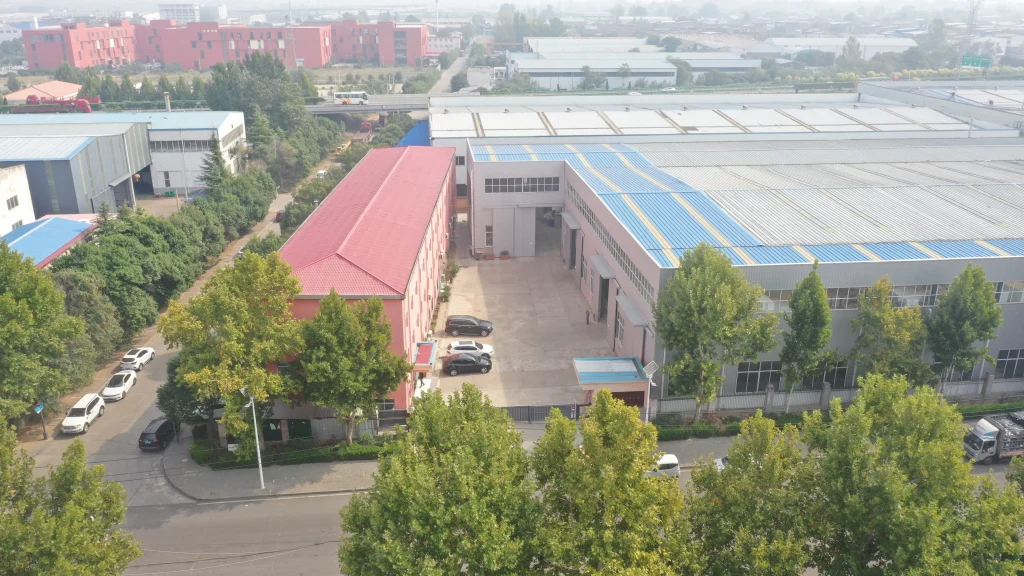
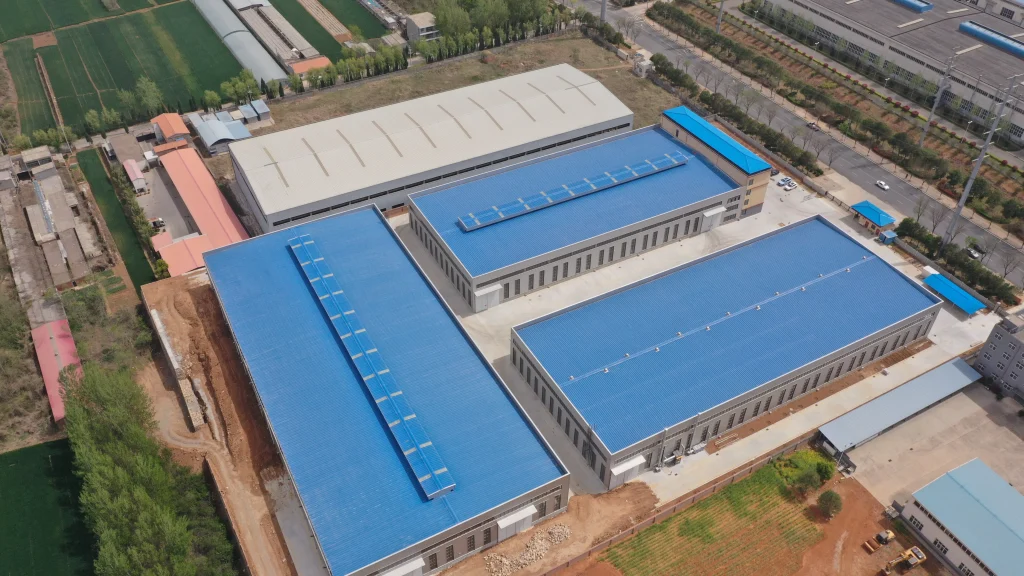
열처리 기술 서비스 및 R 전문 기업&디, 조작, 고온전기로 판매 및 판매.
-100℃ ~ 2600℃의 전온도 범위를 커버하는 고온 전기로 개발에 주력하고 있습니다.. 해당 제품에는 실험용 전기로가 포함됩니다., 진공 분위기 용광로, 산업 가마, 및 중주파 유도 가열 장비. 주요 제품으로는 상자로(Box Furnace)가 있습니다., 튜브 용광로, 리프팅 용광로, 푸셔 가마, 보기 용광로, 회전식 가마, 터널 가마, 다양한 전문 중주파로.
회사는 기술 혁신을 고수하고 ISO9001 및 EU CE 인증을 통과했습니다.. 그것은 소유 21 등록상표, 29 특허, 그리고 27 소프트웨어 저작권.
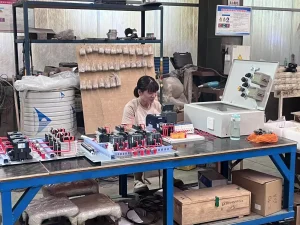
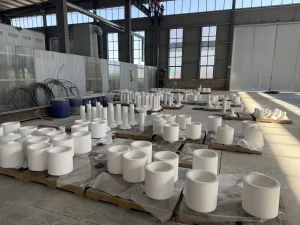
결제 방법
TT
배송 방법
전기 바닥 로딩로는 3개 층으로 포장되어 있습니다.: 먼저 발포 종이로 포장, 그런 다음 플라스틱 필름으로 싸서, 그리고 마침내 나무 상자에 포장되었습니다.
자주 묻는 질문 (FAQ)
- What types of materials is the laboratory rotary furnace suitable for processing?
Designed for powders and granular materials, it provides uniform heating and allows for simultaneous heating, mixing, and thermal reactions. It is well-suited for research and development applications such as the calcination of ceramic precursors, battery material synthesis, metal oxide reduction, and degreasing.
- What is the temperature control accuracy?
고온 제어 정확도, meeting the requirements of laboratory processes for repeatability and precise temperature profiles for material synthesis.
- Does it support continuous feeding and discharging?
Supports small-batch continuous processing, and the furnace tilt angle and rotation speed are adjustable, facilitating the adjustment of material residence time and throughput within the furnace tubes.
- Is the equipment large? Is installation easy?
컴팩트한 구조, designed specifically for laboratory spaces.
- Why rotate?
Rotation keeps the material constantly agitated, resulting in more uniform heating and preventing localized overheating.