


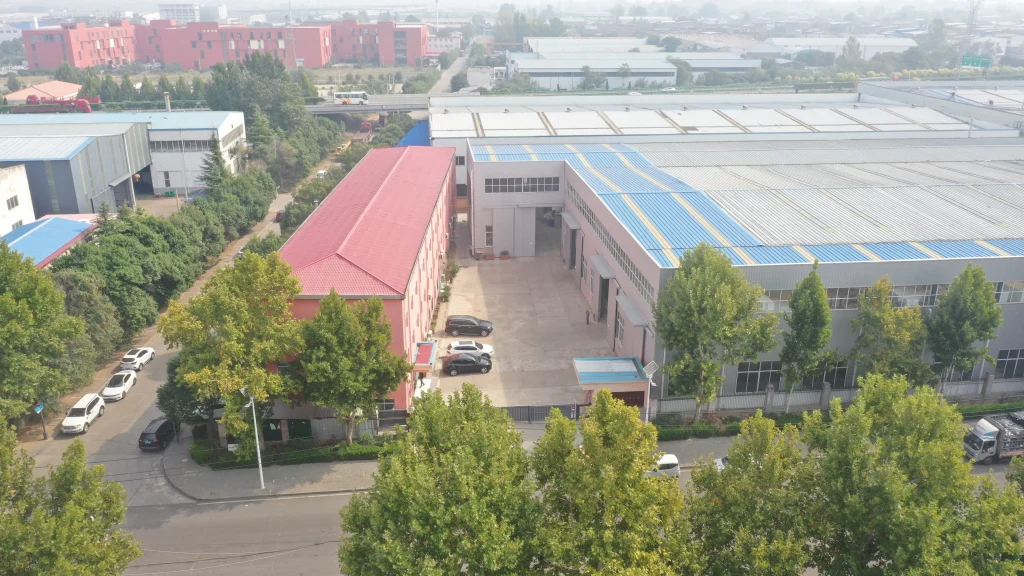
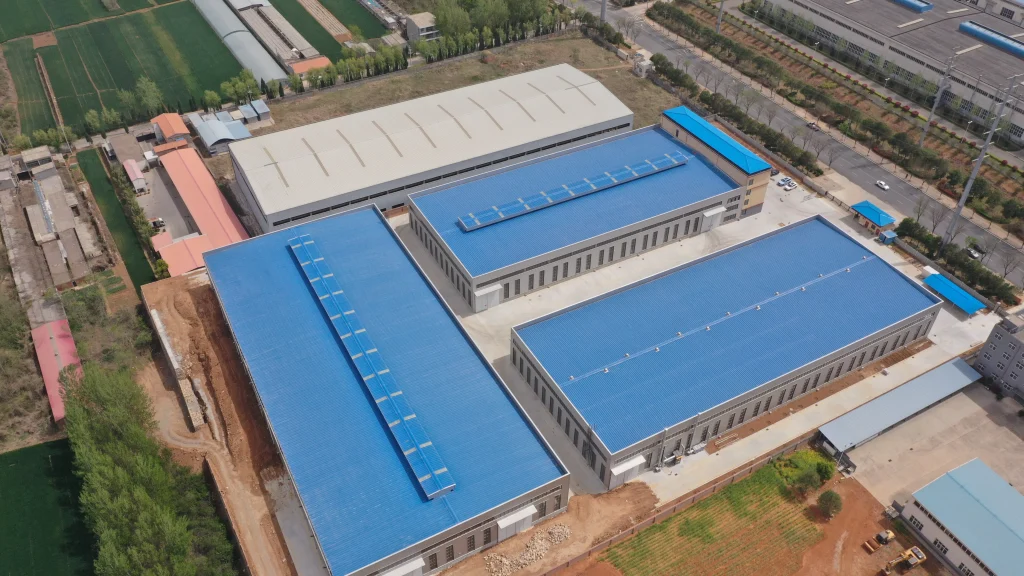
Luoyang Anjing Intelligence Equipment는 고온 전기로 분야의 글로벌 리더입니다.



내화물 및 단열재
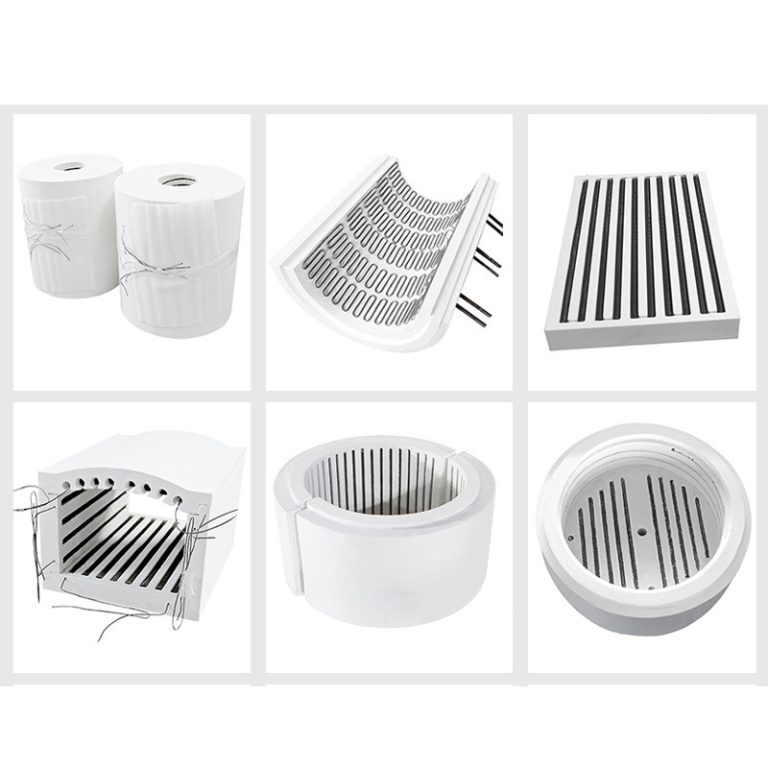
Aluminosilicate Ceramic Fiber Furnace Liner
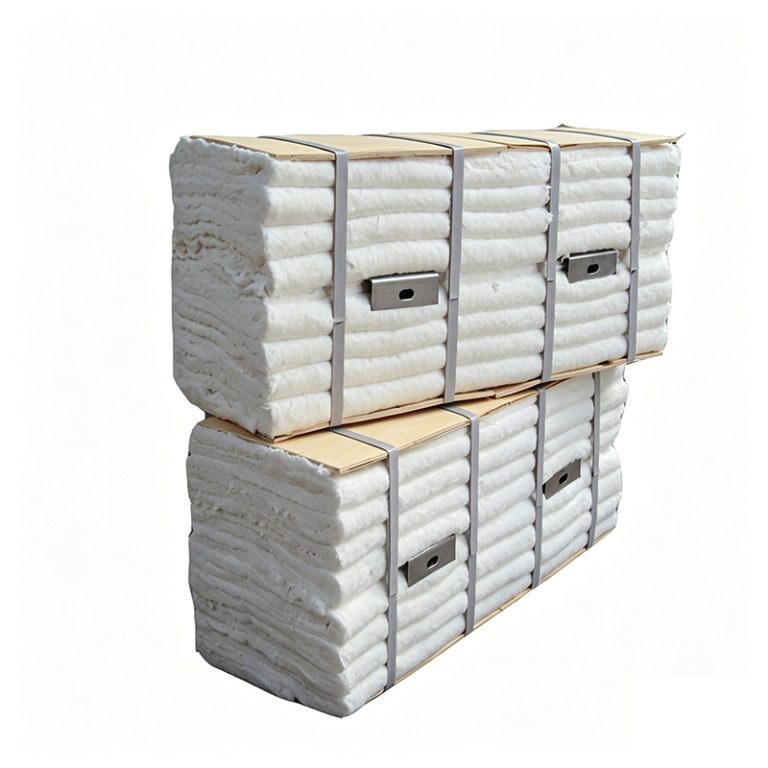
W Ceramic Fiber Folded Block
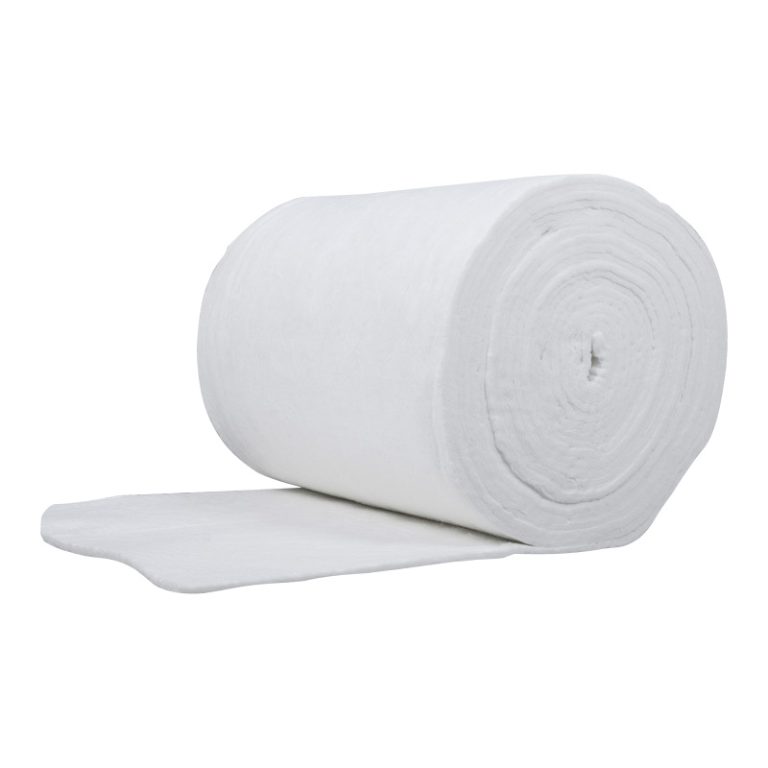
Q Ceramic Fiber Blanket
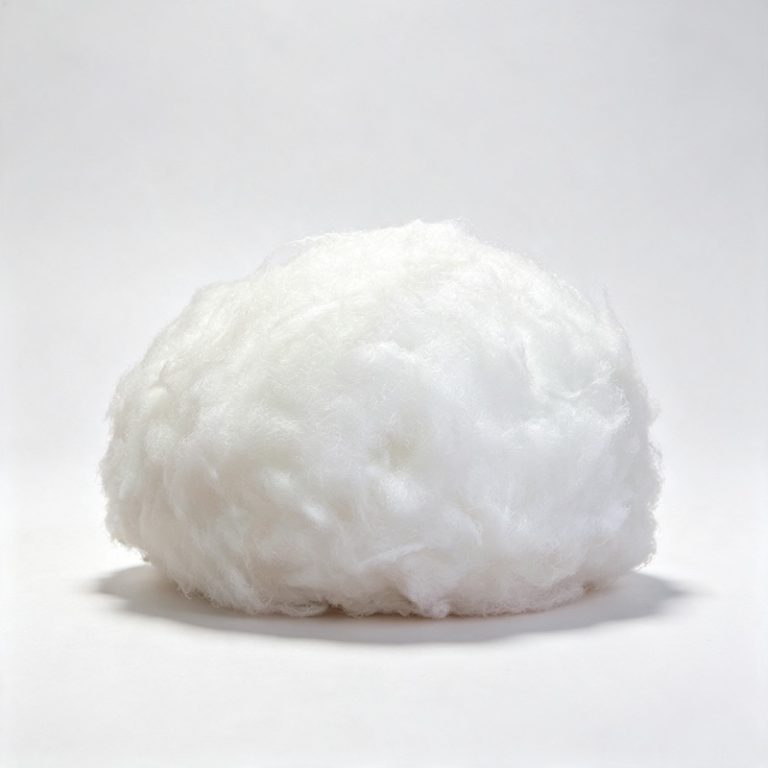
F High-Temperature Ceramic Fiber Cotton
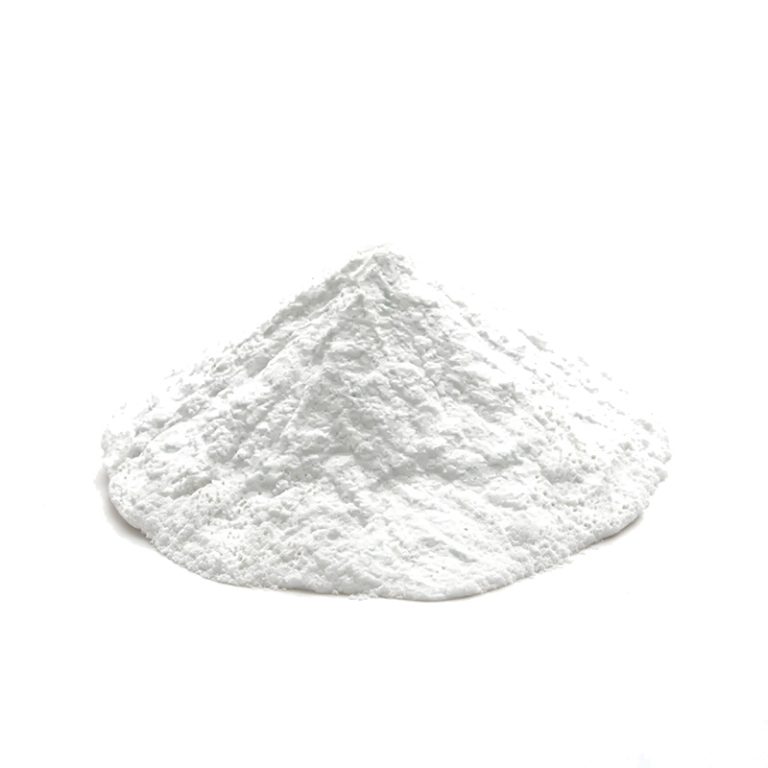
High Purity Silica Micro Powder
High Purity Fused Silica Micro Powder
High Temperature Thermal Insulation Nano Coating
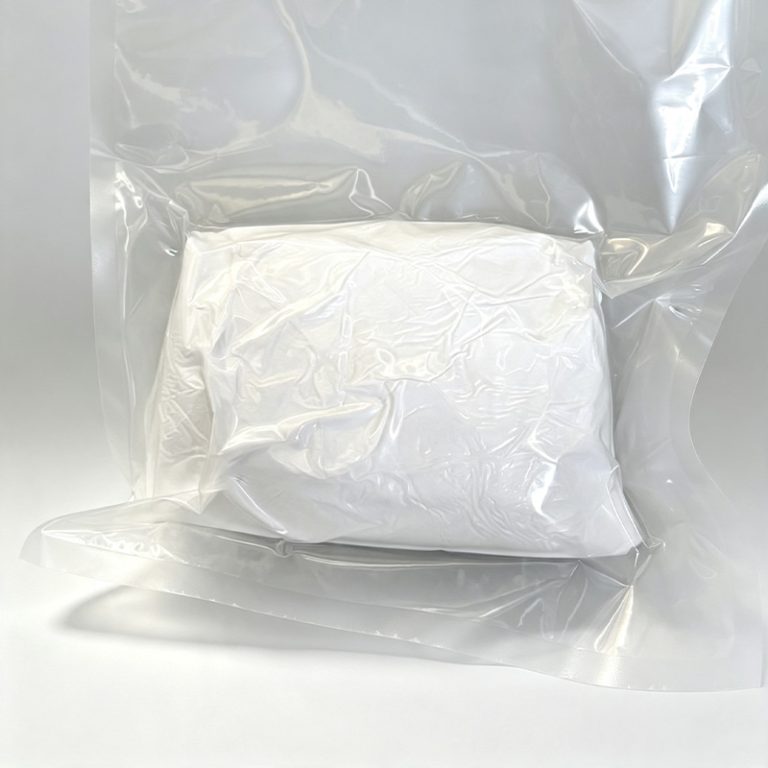
High Temperature Furnace Refractory Repair Material
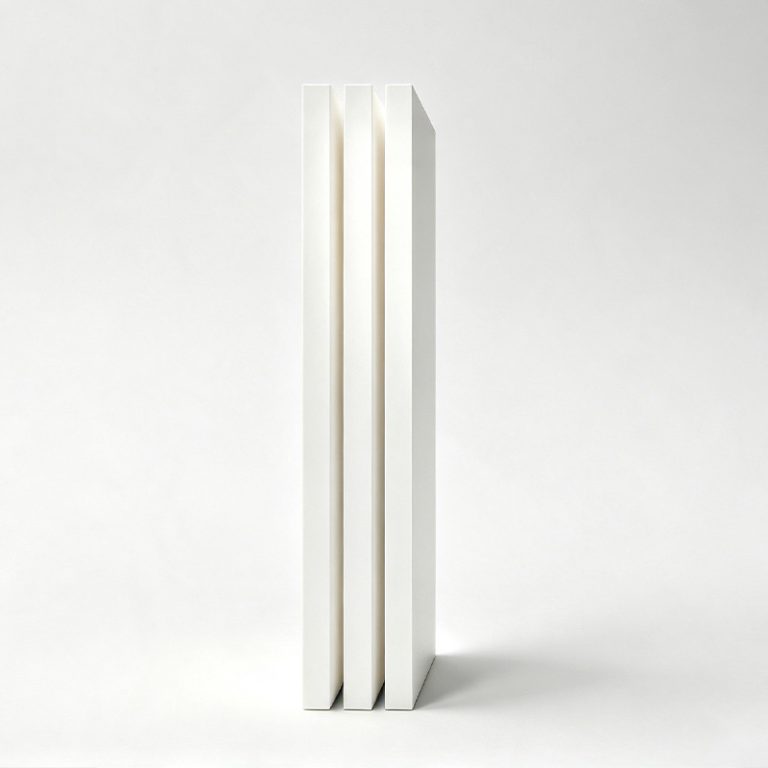
Polycrystalline Alumina Fiberboard
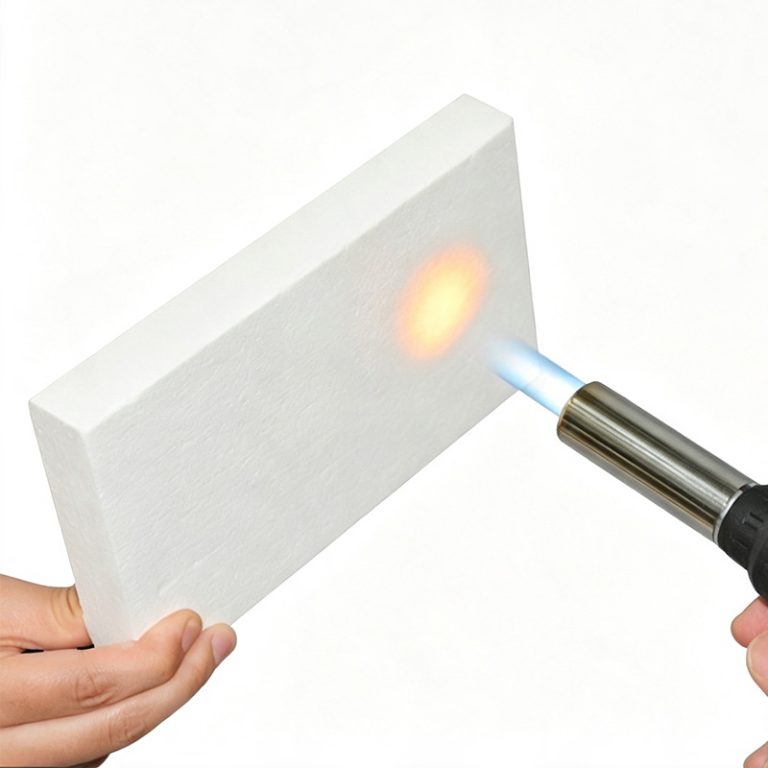
Lightweight Mullite Slabs
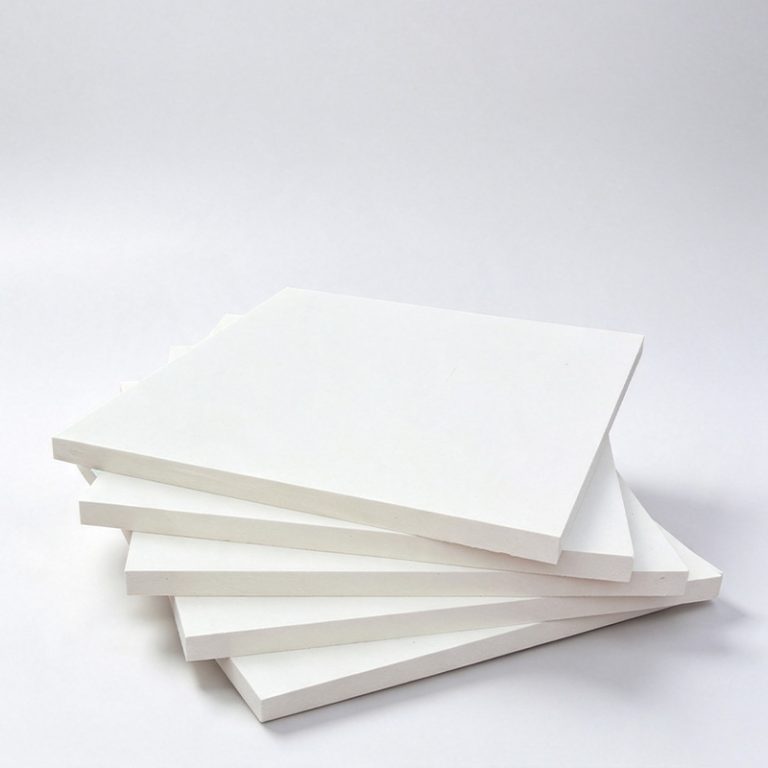
FR 초고온 다결정 알루미나 섬유판
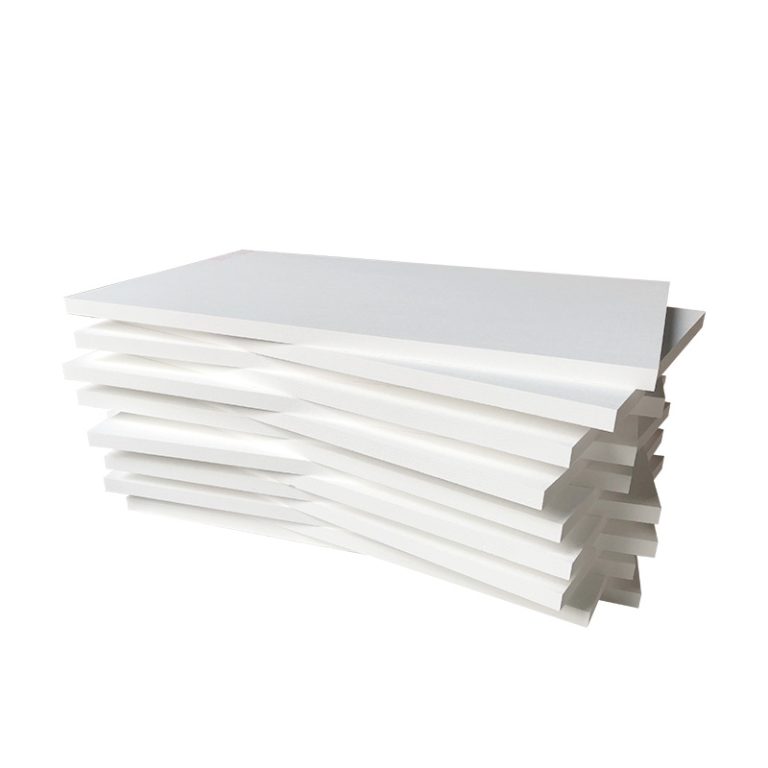
F 고온 세라믹 섬유판
Refractory and Heat Insulation Materials
Refractory and heat insulation materials are key basic materials in various industrial furnace and kiln systems, widely used in the furnace lining structure and thermal management system of high-temperature equipment. These materials, based on ceramic fibers and high-purity refractory raw materials, possess excellent high-temperature resistance, heat insulation properties, and chemical stability.
By rationally selecting high-performance ceramic fibers and refractory materials, energy consumption can be effectively reduced, furnace temperature uniformity improved, and equipment service life extended. They are an indispensable component of industrial heat treatment and high-temperature processes.
Refractory And Heat Insulation Materials Product Features
- Excellent High-Temperature Resistance
Sustainable for long-term stable use in high-temperature environments, suitable for various industrial furnaces and kilns.
- High-Efficiency Thermal Insulation and Energy Saving
Low thermal conductivity effectively reduces heat loss and improves equipment energy efficiency.
- Lightweight Structural Design
Lightweight materials reduce furnace load and improve overall equipment performance.
- Strong Thermal Shock Resistance
Able to adapt to rapid heating and cooling conditions, less prone to cracking or damage.
- Good Chemical Stability
Resistant to acid and alkali corrosion, and does not easily react with the materials being treated.
- Multiple Material Options
Including ceramic fiber wool, fiberboard, refractory bricks, polycrystalline fibers, 등., to meet different temperature and process requirements.
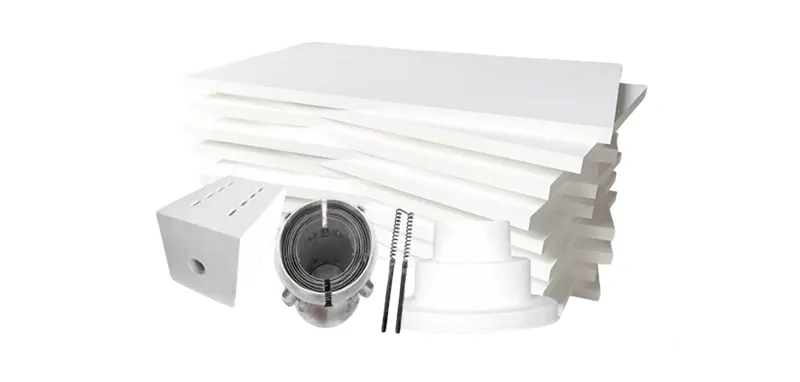
| Fiberboard | Lightweight, low thermal conductivity, easy to cut, good insulation |
| High Purity Corundum Powder | High refractoriness, good chemical stability, high purity (Al₂O₃≥99%) |
| High Purity Quartz Powder | High purity (SiO₂≥99.9%), low thermal expansion, good insulation |
| High Purity Silica Fume | Ultra-fine particle size, high reactivity, improves refractory strength |
| Fiber Blanket | Lightweight, 고온 저항, easy installation, good insulation |
| Fiber Wool | Good filling ability, low thermal conductivity, suitable for complex gaps |
| High Temperature Repair Material | Strong plasticity, good adhesion, no shrinkage at high temperatures |
| Heating Module | Integrated design, quick installation, fast heating, good temperature uniformity |
| Lightweight Refractory Brick | Low density, low thermal conductivity, energy saving |
| Special-shaped Parts | Customizable, complex shapes, precise dimensions |
| Ceramic Fiber Furnace Chamber | Lightweight, low heat storage, fast heating, energy saving |
| Nano Spray Coating | Ultra-fine nano structure, excellent insulation, thin coating, strong adhesion |
| Ceramic Fiber Paper | Thin thickness, good flexibility, 고온 저항, good electrical insulation |
| Ceramic Fiber Sticking Block | Simple installation, convenient repair, resistant to gas erosion |
| Ceramic Fiber Folded Block | High installation density, reliable anchoring, suitable for furnace roofs and walls |
| Ball Mill | Material crushing and mixing, adjustable fineness |
Refractory And Heat Insulation Materials Application Areas
- Industrial Electric Furnace Linings: Suitable for the insulation layer of various industrial electric furnaces such as box furnaces, bogie hearth furnaces, pit furnaces, 튜브 용광로, and rotary furnaces, replacing traditional refractory bricks with significant energy-saving effects.
- Laboratory Electric Furnaces: Suitable for the lining material of small electric furnaces in university and research institute laboratories, offering rapid heating and cooling, ideal for experimental conditions requiring frequent furnace door opening and closing.
- High-Temperature Kilns: Suitable for the insulation layer and hot face lining of high-temperature kilns such as ceramic kilns, lithium battery material sintering kilns, 푸셔 가마, and roller kilns.
- 열처리 장비: Suitable for the insulation of furnace linings in metal heat treatment equipment such as quenching furnaces, tempering furnaces, and annealing furnaces, reducing heat loss and improving thermal efficiency.
- High-Temperature Testing Equipment: Suitable for the insulation of high-temperature test chambers, thermal shock testing equipment, and high-temperature material testing equipment.
- Old Furnace Retrofitting: Suitable for energy-saving retrofitting of traditional refractory brick linings, replacing them with fiberboard linings can reduce energy consumption by 20%-40%.
회사 프로필
열처리 기술 서비스 및 R 전문 기업&디, 조작, 고온전기로 판매 및 판매.
-100℃ ~ 2600℃의 전온도 범위를 커버하는 고온 전기로 개발에 주력하고 있습니다.. 해당 제품에는 실험용 전기로가 포함됩니다., 진공 분위기 용광로, 산업 가마, 및 중주파 유도 가열 장비. 주요 제품으로는 상자로(Box Furnace)가 있습니다., 튜브 용광로, 리프팅 용광로, 푸셔 가마, 보기 용광로, 회전식 가마, 터널 가마, 다양한 전문 중주파로.
회사는 기술 혁신을 고수하고 ISO9001 및 EU CE 인증을 통과했습니다.. 그것은 소유 21 등록상표, 29 특허, 그리고 27 소프트웨어 저작권.
결제 방법
TT
배송 방법
전기 바닥 로딩로는 3개 층으로 포장되어 있습니다.: 먼저 발포 종이로 포장, 그런 다음 플라스틱 필름으로 싸서, 그리고 마침내 나무 상자에 포장되었습니다.
자주 묻는 질문 (FAQ)
- What are refractory insulation materials?
They are materials used in high-temperature equipment to withstand high temperatures and reduce heat loss, forming an important component of the furnace structure.
- What are the main materials?
Ceramic fiberboard, alumina fiber, refractory bricks, mullite bricks, corundum bricks, 등.
- What is the difference between ceramic fiber and refractory bricks?
Ceramic fiber: 경량, good insulation, rapid heating; refractory bricks: high strength, erosion resistance, long service life.
- Can it withstand rapid heating and cooling?
Ceramic fiber can, with good resistance to rapid heating and cooling.
- How to select materials?
Select corundum or alumina materials for high-temperature zones, and ceramic fiber for insulation layers, depending on the process temperature.