Luoyang Anjing Intelligence Equipment est un leader mondial des fours électriques à haute température



Five Tilting Methods For Medium-Frequency Induction Heating Electric Furnaces: Which One Improves Your Foundry Efficiency?
In the foundry industry, many companies focus on the power, melting speed, and energy consumption of induction heating furnaces, but overlook a crucial element that truly impacts production cycle time—the tilting system.
In fact, the tilting method not only determines tapping efficiency but also directly affects casting stability, equipment maintenance costs, and operational safety. Especially with the rapid development of automated casting, the tilting system has evolved from an “auxiliary mechanism” into a vital component influencing the efficiency of the entire smelting production line.
Different tilting structures are suitable for foundries of different sizes, metal types, and levels of automation. Choosing the wrong tilting method often means frequent maintenance, unstable casting, and even increased safety risks later on.
je. General Introduction to Medium Frequency Induction Furnaces
Medium frequency induction furnaces are industrial equipment that utilizes the principle of electromagnetic induction for metal melting and heat preservation. They are widely used in the cast iron, cast steel, copper, aluminum, and special alloy industries.
Compared to traditional combustion furnaces, medium frequency furnaces feature rapid heating, haute efficacité thermique, precise temperature control, and better environmental performance. With the upgrading of intelligent manufacturing, medium frequency furnaces are not only responsible for melting but are also developing towards automated casting and continuous production.
The tilting mechanism is the core action system connecting “melting” et “casting.”
II. Tilting Methods of Medium-Frequency Electric Furnaces
- Hydraulic Tilting
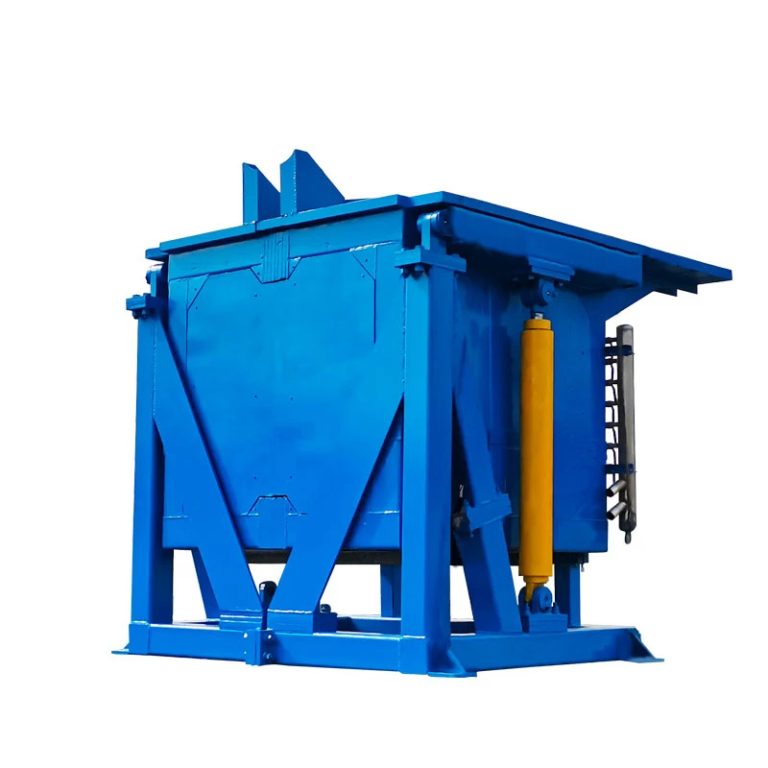
Hydraulic tilting is currently the most widely used tilting method. The system consists of a hydraulic cylinder, a hydraulic station (including an oil pump, motor, oil tank, and valve group), and a control system. During operation, the piston rod of the hydraulic cylinder extends, pushing the furnace base, causing the entire medium-frequency electric furnace body to rotate around the hinge center. The furnace nozzle gradually lowers, and molten metal flows out from the nozzle.
Advantages include smooth operation, flexible rotation, stable stopping at any angle, and fine-tuning. The hydraulic system has high output, making it particularly suitable for large electric furnaces of 3 tons or more. Disadvantages include higher investment and maintenance costs for the hydraulic system, the risk of hydraulic oil leakage, and the aging of oil pipes under high-temperature environments.
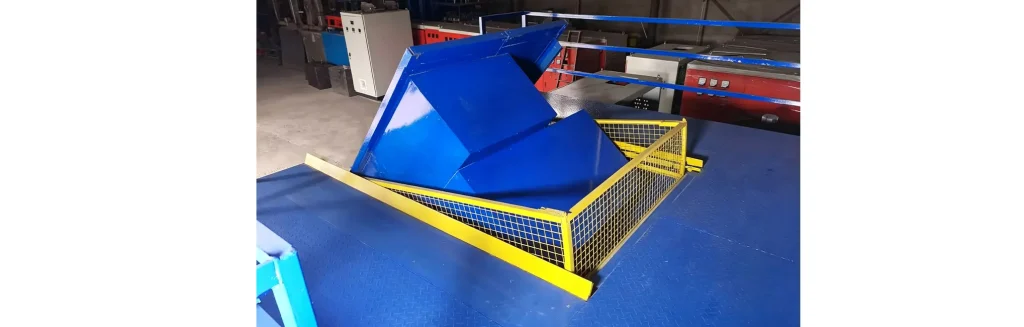
- Electric Screw Tilting
This is a tilting method that utilizes the principle of mechanical transmission. The motor drives the screw to rotate through a reducer. The nut on the screw moves axially, converting linear motion into furnace rotation through a connecting rod. The screw drive has a self-locking characteristic; the furnace body will not fall back automatically after power failure.
Compared to hydraulic systems, this method has a simpler structure, eliminating the need for oil pumps, pipes, and seals, resulting in lower maintenance costs. Disadvantages include relatively less smooth operation, wear on the lead screw under prolonged high temperatures and dust, and limited load-bearing capacity. It is generally suitable for small to medium-sized electric furnaces under 500kg.
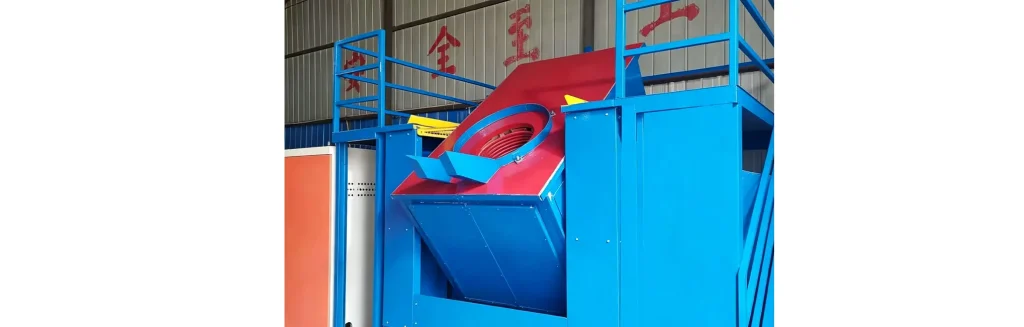
- Electric Chain Tilting
This system consists of a drive motor, reducer, sprockets, chain, connecting rod, et système de contrôle. The motor drives the sprockets to rotate, the chain pulls the connecting rod, and the connecting rod tilts the furnace to complete the tapping process. Chain drive can be installed in a compact space, offering a high degree of automation and flexible, controllable operation.
Advantages include small space requirements and suitability for various furnace sizes. Disadvantages include the chain being a wear component; prolonged exposure to impact loads can lead to pitch elongation and chain plate fatigue, requiring periodic tensioning or replacement.
- Horizontal Lifting Tilting
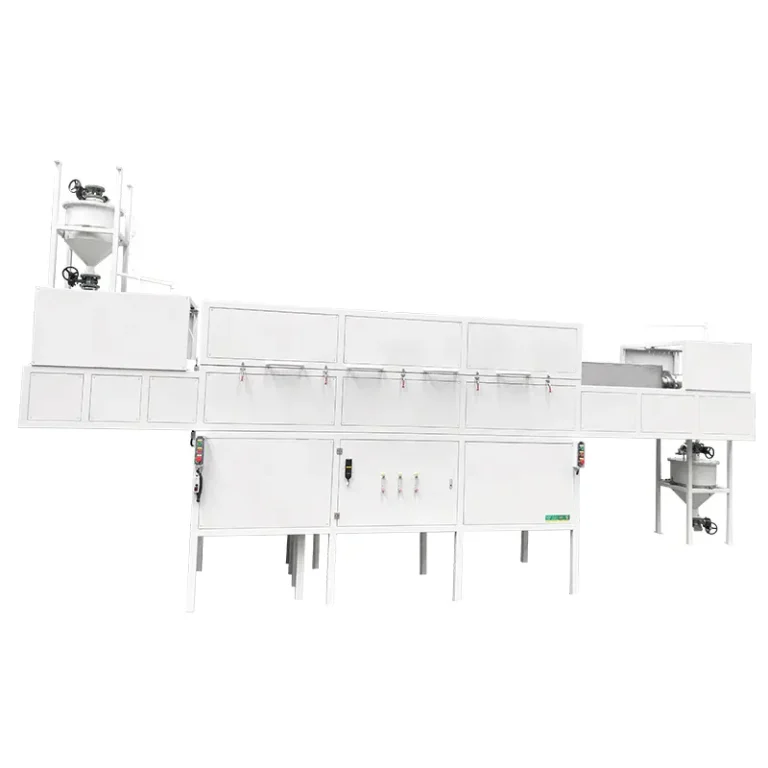
Horizontal lifting tilting is a special tilting method developed from fixed electric furnaces. The furnace body itself does not rotate. Instead, the crucible is moved horizontally to the tapping position via a transverse track, and then vertically lifted to the appropriate height by a lifting hydraulic cylinder. This lifting action causes the molten metal in the pool to flow out from the bottom or side.
This method offers smooth overall operation and good controllability of the molten metal flow, making it suitable for large production lines with strict requirements on casting position. However, the system investment is high, requiring transverse tracks and lifting frames, and it occupies a large area. It is mainly used in large electric furnaces or stationary smelting furnaces with a large capacity (over 10 tonnes).
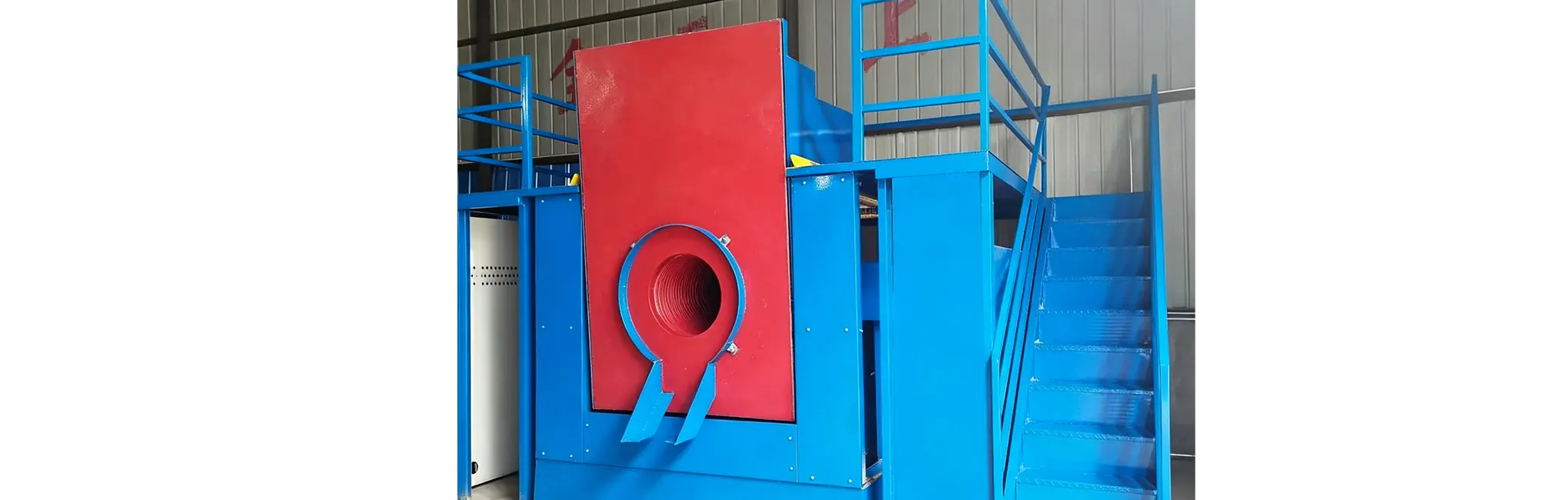
- Cylindrical Tilting Type
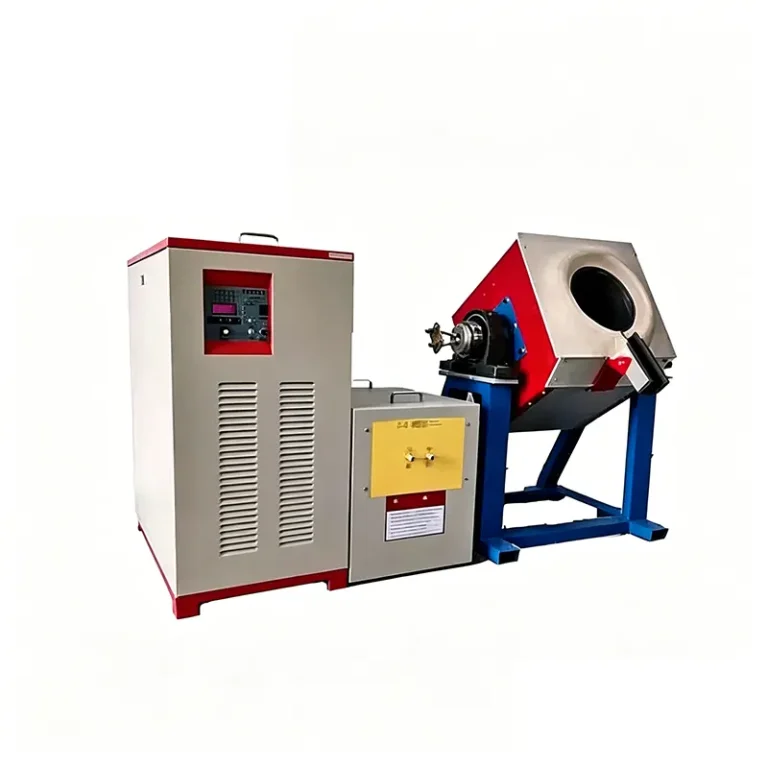
The entire electric furnace crucible adopts a cylindrical design. The entire machine rotates and tilts 180° around a fixed axis via hydraulic push rods and hinges. Unlike conventional tilting furnaces, this structure allows the furnace body to be completely tilted, facilitating the thorough emptying of residual metal or slag from the furnace.
Advantages include simple structure, rapid operation, and a large tilting angle. Disadvantages include the requirement for a special crucible shape, high requirements for the overall design of the electric furnace, and the need for significant driving force and space for complete tilting. It is generally used in small and medium-sized casting furnaces or in situations where the alloy grade needs to be changed frequently.
III. Medium frequency induction heating furnace: Efficiency vs. Safety – Which is More Important?
- Comparison of Five Tilting Methods
| Tilt Method | Applicable Capacity | Advantages | Disadvantages | Cost Performance |
|---|---|---|---|---|
| Hydraulic Tilt | ≥3 tons | Smooth, flexible, high output | High investment, risk of leakage | Preferred for large capacities |
| Electric Screw | ≤500 kg | Simple structure, low maintenance | Jerky motion, prone to wear | Economical for small capacities |
| Electric Chain | 250 kg – 3 tonnes | Compact, high automation | Chain prone to wear, requires replacement | Balanced for medium capacities |
| Transverse Lift | ≥10 tons | Extremely smooth, precise pouring | High investment, large footprint | Dedicated for large-scale production lines |
| Drum Rotation | ≤1 ton | Fast action, can empty completely | Requires special crucible, takes space | Preferred for slag removal needs |
Selection Recommendations: For small tonnage (below 500kg), electric screw tilting is preferred due to its low investment and sufficient capacity. For medium tonnage (250kg-3 tons), electric chain tilting can be considered, balancing automation and stability. For large tonnage (above 3 tonnes), hydraulic tilting is the obvious choice, with stability and safety being paramount. If there are special slag removal requirements or frequent alloy changes, a cylinder tilting system is a unique option.
- What Truly Affects Casting Efficiency is Not Just Melting Speed
Many companies mistakenly believe that increasing power will increase production capacity. In reality, in modern casting production lines, the tilting cycle time has become one of the most significant factors limiting efficiency.
For example: Unstable tilting action prolongs pouring time; pauses or shaking increase oxidation losses; inaccurate tilting angle control affects ladle stability.
Therefore, the essence of a high-efficiency tilting system is not just “the ability to tilt,” but “stability, continuity, and controllability.” This is why more and more automated factories are adopting servo hydraulics and intelligent control systems.
IV. Applications of Medium Frequency Induction Heating Furnaces
- Metal Smelting: Melting ferrous metals and alloys for casting or short-process steelmaking.
- Forging/Rolling Preheating: Heating metal billets, either overall or locally, to improve plasticity and facilitate shaping.
- Metal Heat Treatment: Modifying the surface or overall properties of workpieces, such as increasing hardness and relieving stress.
- Other Specialized Applications: Small-scale, high-precision heating or assistance with special processes.
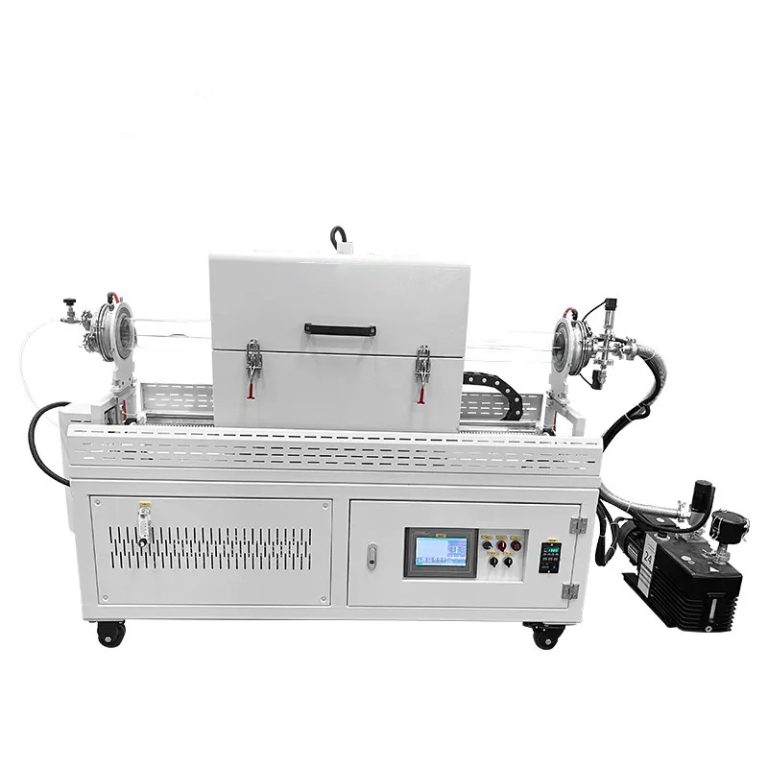
- Laboratory and Special Materials: Small-volume, high-purity metal smelting and research under special atmospheres.
V.Supplier
Luoyang Anjing Intelligent Equipment Co., Ltd. is an enterprise dedicated to the research, development, production, sales, and technical services of heat treatment equipment such as high-temperature electric furnaces. We produce laboratory, vacuum, industrial, and medium-frequency furnaces, covering a temperature range from -100℃ to 2600℃, serving industries such as new energy, semiconductors, and advanced materials. We can provide customized solutions based on specific atmosphere, ultra-high temperature, and intelligent control system requirements. Please feel free to contact us if you are interested.