


Luoyang Anjing Intelligence Equipment est un leader mondial des fours électriques à haute température



Four tubulaire
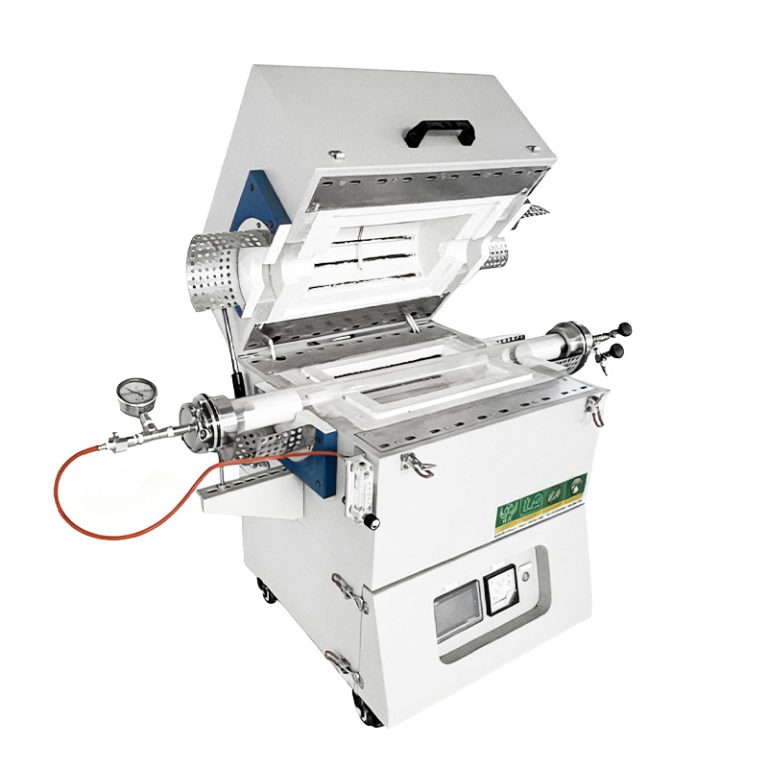
Comment nettoyer mon four tubulaire?
Pour nettoyer un four tubulaire, éteignez d'abord et laissez refroidir complètement le four, isoler le pouvoir, gaz, et systèmes de vide, puis retirez les résidus libres du tube du four avec des outils appropriés et nettoyez…
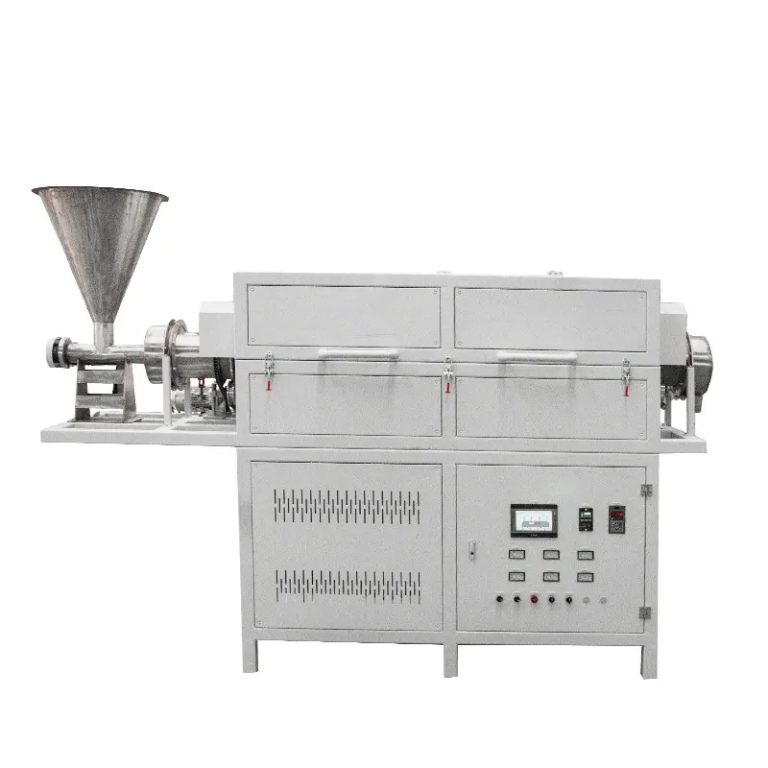
Comment entretenir un four tubulaire? Un guide pratique d’entretien
Pour entretenir un four tubulaire, inspecter et nettoyer régulièrement le tube du four, éléments chauffants, thermocouple, scellés, isolation, conduites de gaz, et système de contrôle, tout en suivant les procédures de chauffage et de refroidissement appropriées pour éviter les effets thermiques…
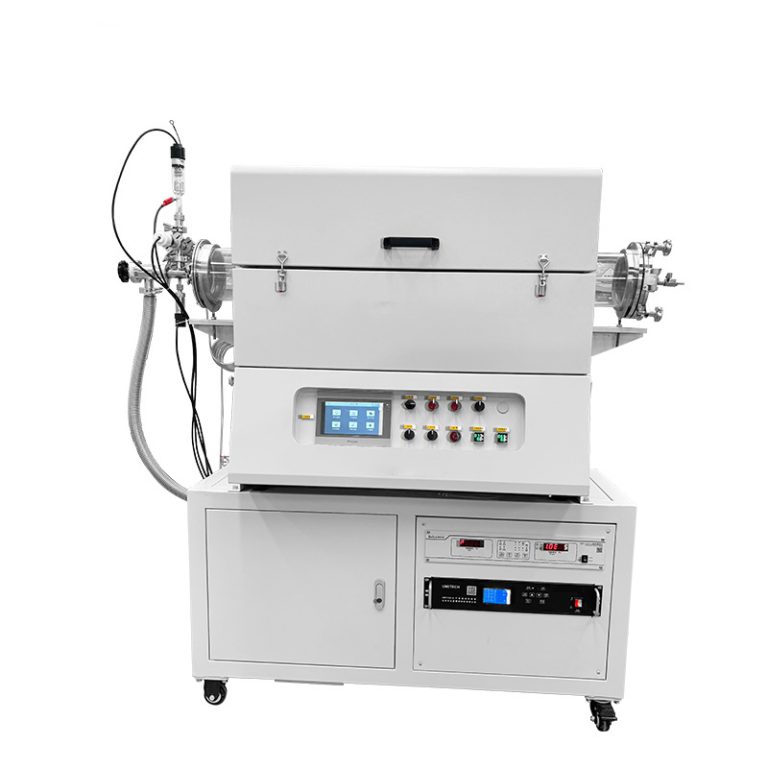
Comment choisir un four tubulaire: Un guide de sélection complet
Pour choisir le bon four tubulaire, déterminer la température souhaitée, matériau du tube, atmosphère, zones de chauffage, capacité d'échantillonnage, et système de contrôle, puis sélectionnez un modèle de laboratoire ou industriel en fonction de votre procédé et…
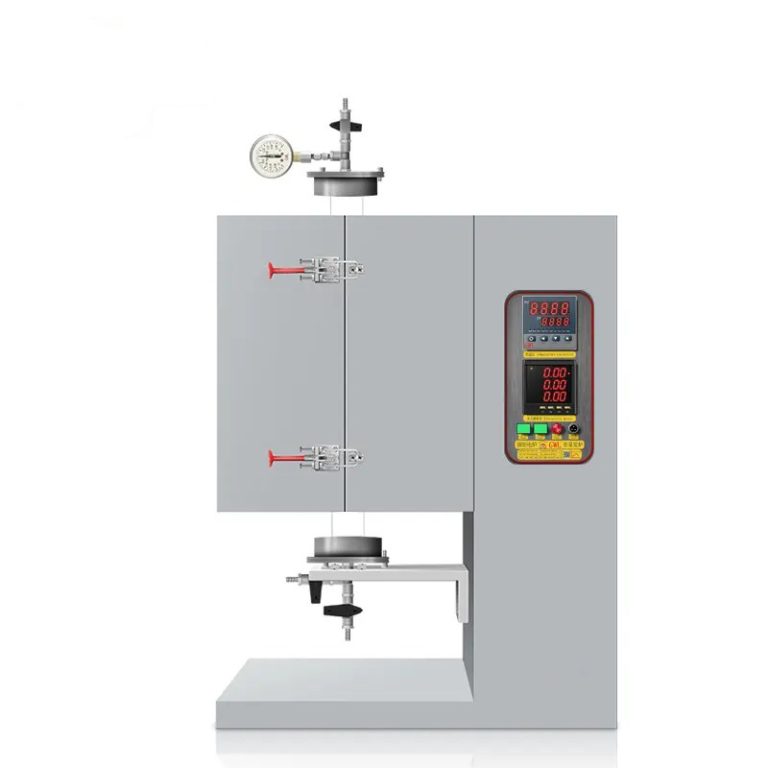
What Is a Vertical Tube Furnace?
Vertical tube furnaces are high-temperature experimental devices installed vertically, used for material sintering, traitement thermique, atmosphere testing, powder processing, and new material research and development.Compared to horizontal tube furnaces, the vertical structure…
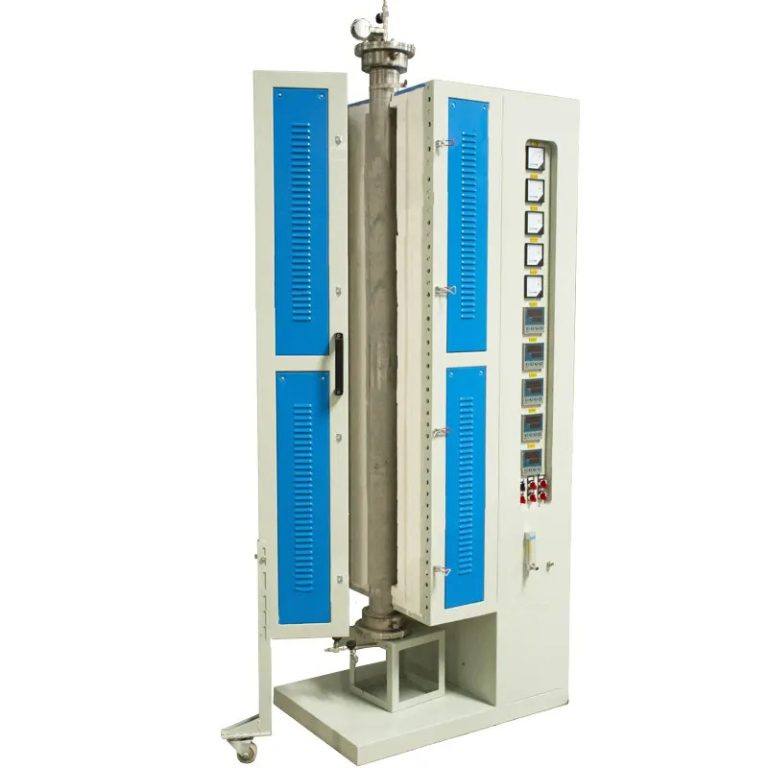
Vertical vs Horizontal Tube Furnace: Key Differences and How to Choose
A tube furnace is a heat treatment device commonly used in materials research, high-temperature experiments, and industrial R&D. Based on the installation direction of the furnace tubes, it is mainly divided into…
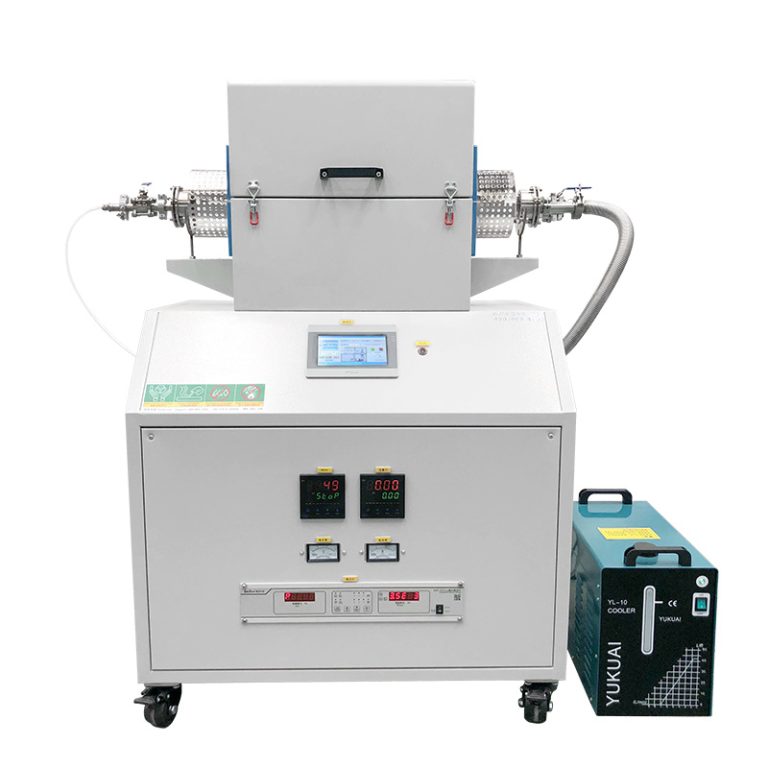
How to Choose Between a Tube Furnace and a Box Furnace?
In laboratory high-temperature processing equipment selection, tube furnace and box furnace are two common types of equipment. Both can provide a stable high-temperature environment, but due to differences in structural design, their…
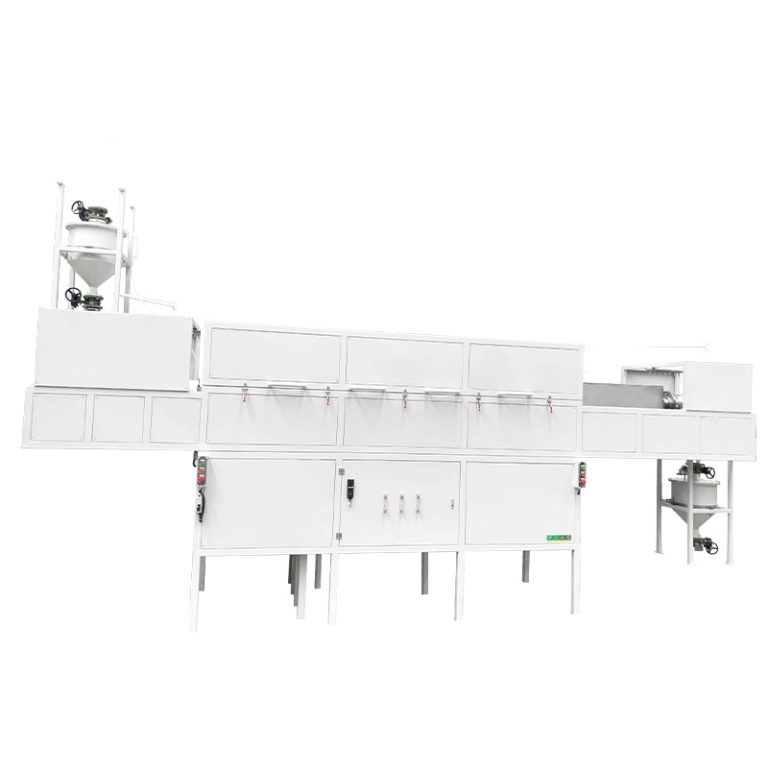
What Is the Maximum Temperature for a Tube Furnace?
Tube furnace are widely used in materials research, traitement thermique, ceramic sintering, powder metallurgy, and semiconductor manufacturing due to their precise temperature control and controllable atmosphere capabilities. Many users’ first concern when…
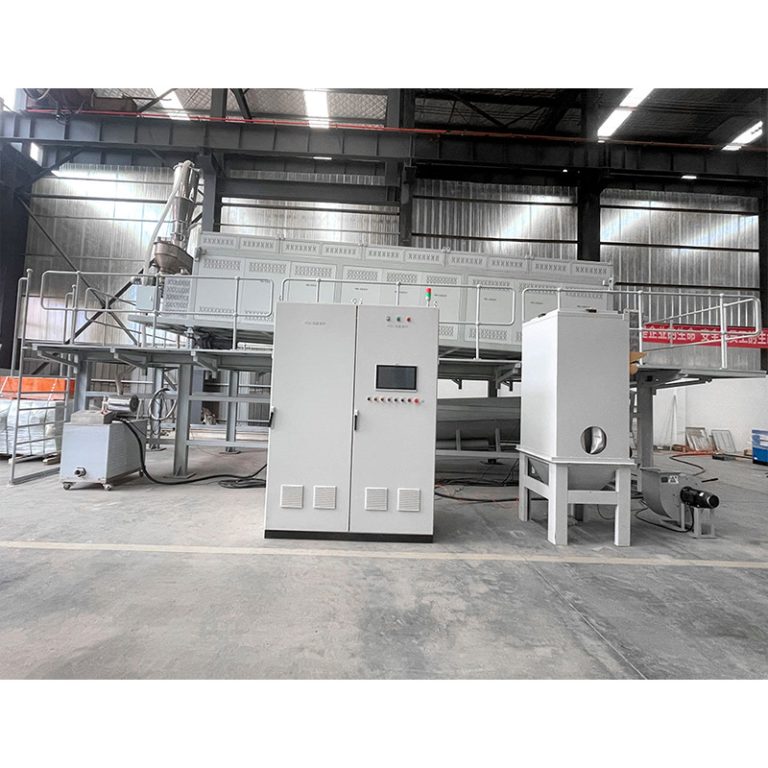
Do All Tube Furnaces Operate Under Vacuum?
Many users new to tube furnaces mistakenly believe that a tube furnace is simply a vacuum device, requiring all experiments to be conducted in a vacuum environment. This is a very common…
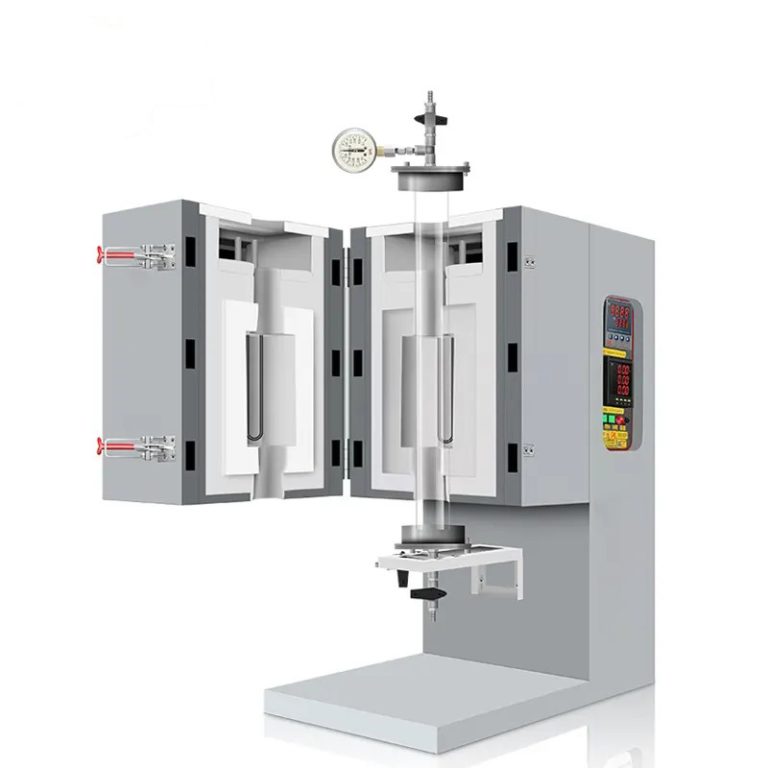
Vertical vs Horizontal Tube Furnace: Which Is Better for Heat Treatment Experiments?
In laboratory heat treatment and industrial materials research and development, the tube furnace is one of the most fundamental and crucial pieces of equipment. During the selection phase, one of the most…
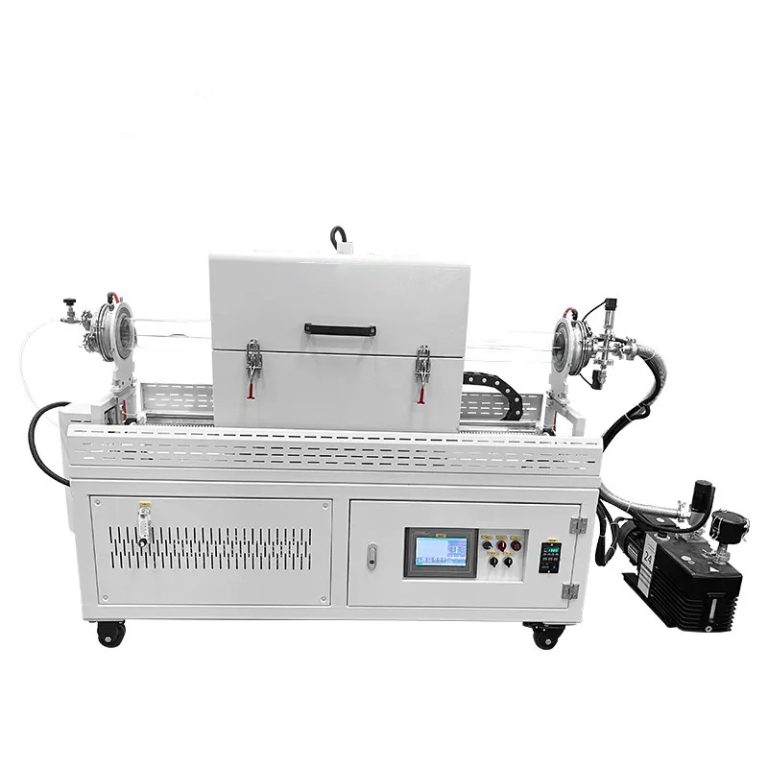
Can Tube Furnace Also Be Used For Quenching? A Sliding Track Design Allows For “Instantaneous” Rapid Cooling Of Samples.
Traditionally, tube furnace are primarily used for sintering, recuit, atmosphere heat treatment, and materials research, while quenching is typically accomplished using dedicated quenching furnaces or heat treatment production lines. However, with the…
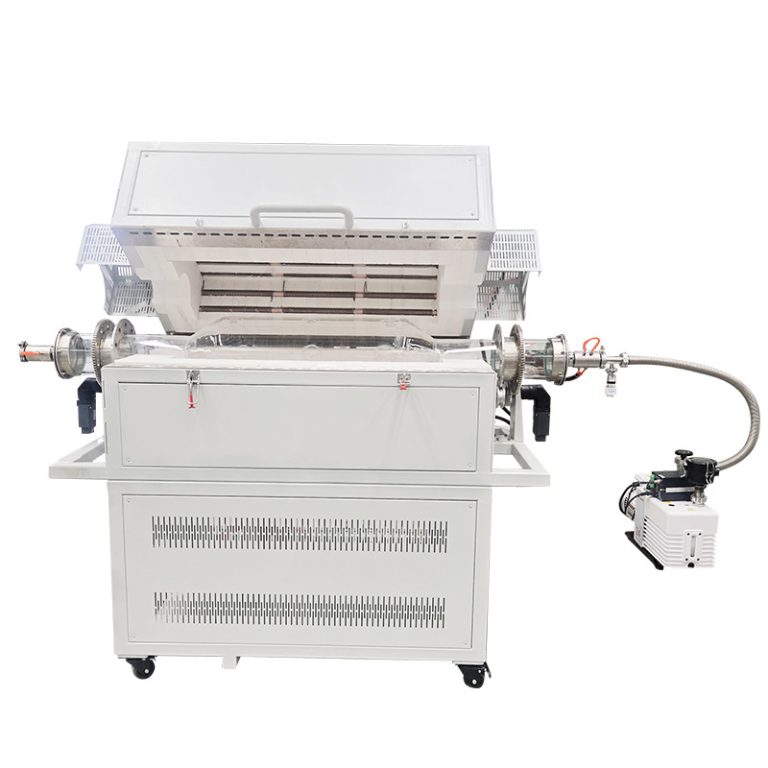
Maintenance of Quartz Tubes in Tube Furnace: 3 Key Details That Determine Lifespan
Tube Furnace In the fields of laboratory materials research, powder sintering, traitement thermique, and controlled-atmosphere experiments, tubular furnaces are widely utilized across universities, research institutes, and industrial R&D centers due to their…
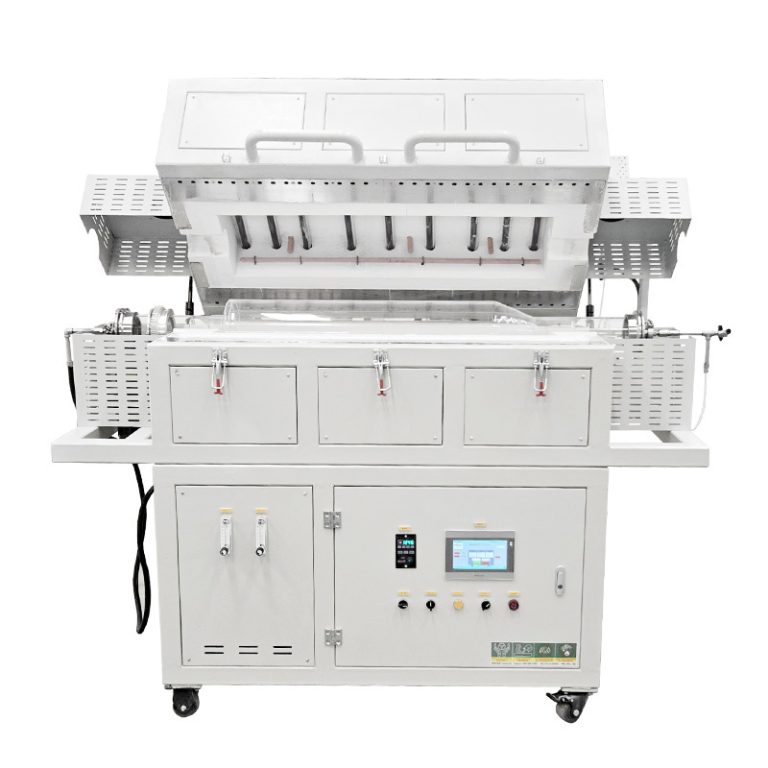
Single-Zone Or Multi-Zone? Tubular Furnace Selection Is Easy To Understand.
Tubular Furnace In laboratory heat treatment, material sintering, and atmosphere experiments, Tubular Furnace are widely used in university research, nouveaux matériaux énergétiques, semiconductors, powder metallurgy, and advanced ceramics due to their excellent…