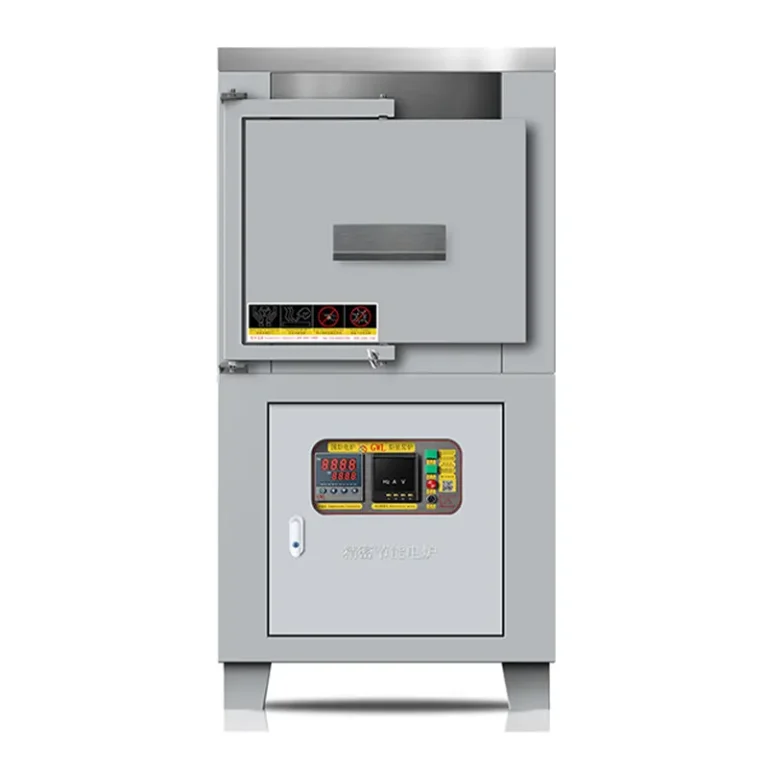
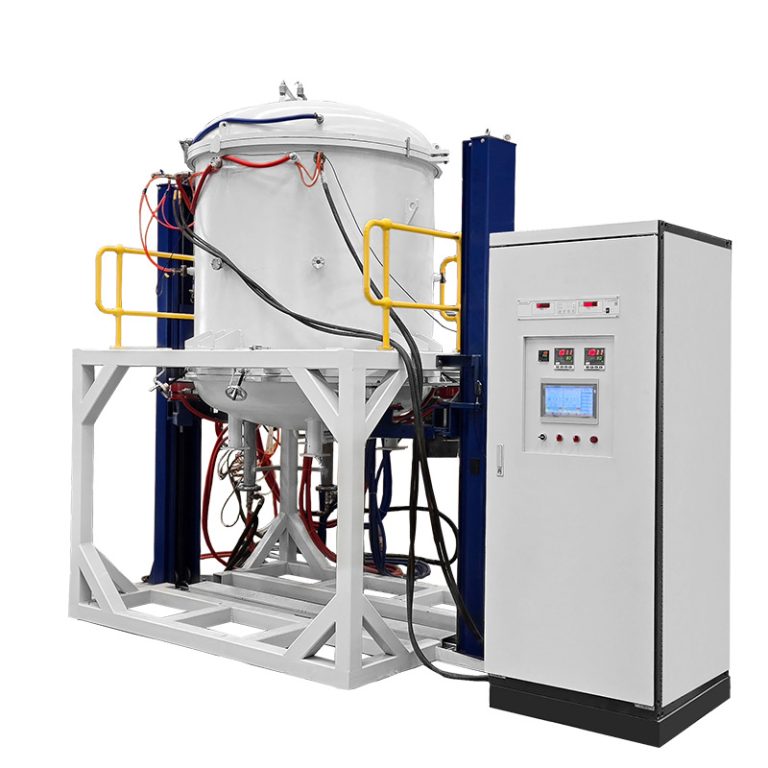
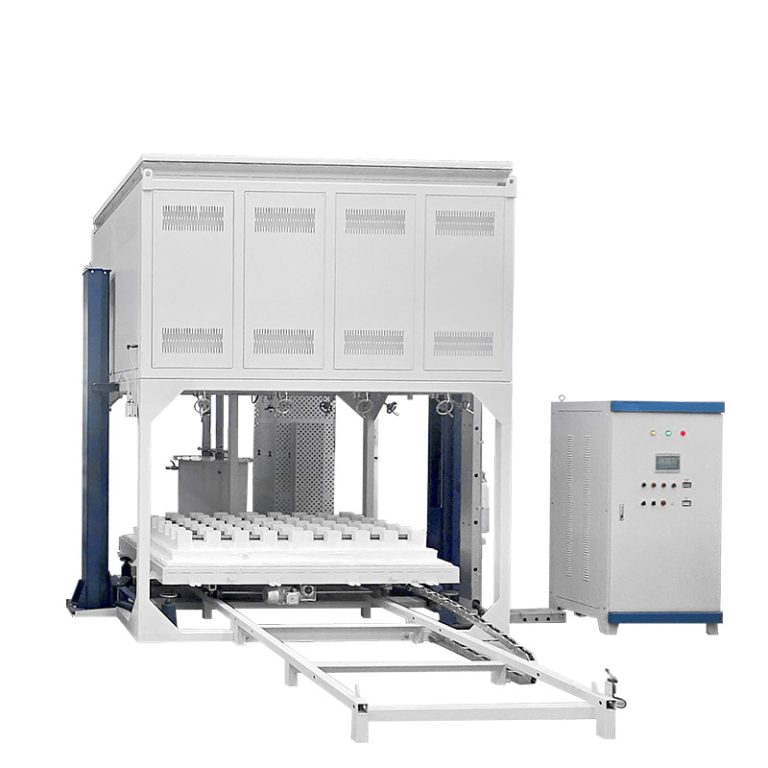
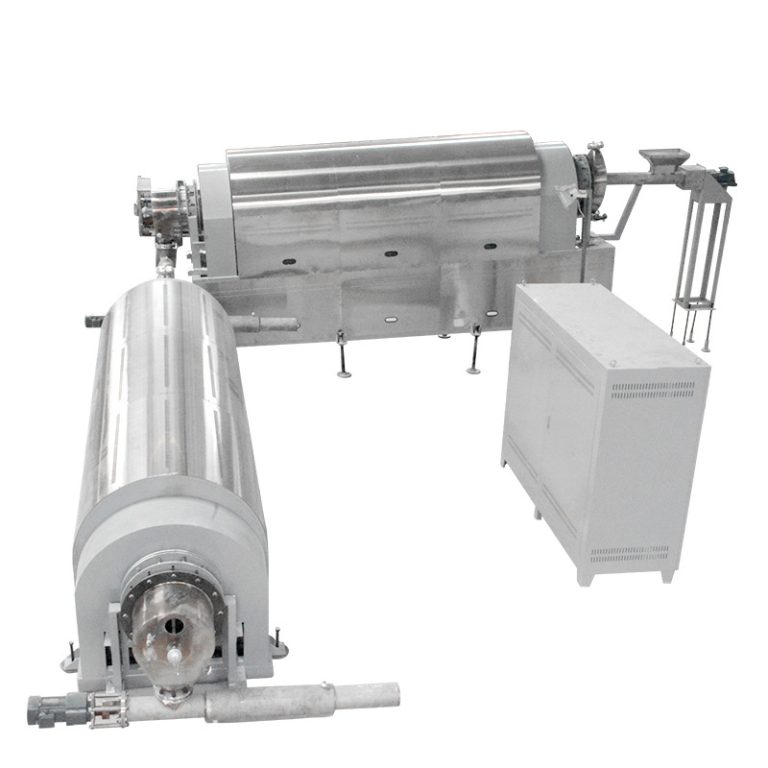
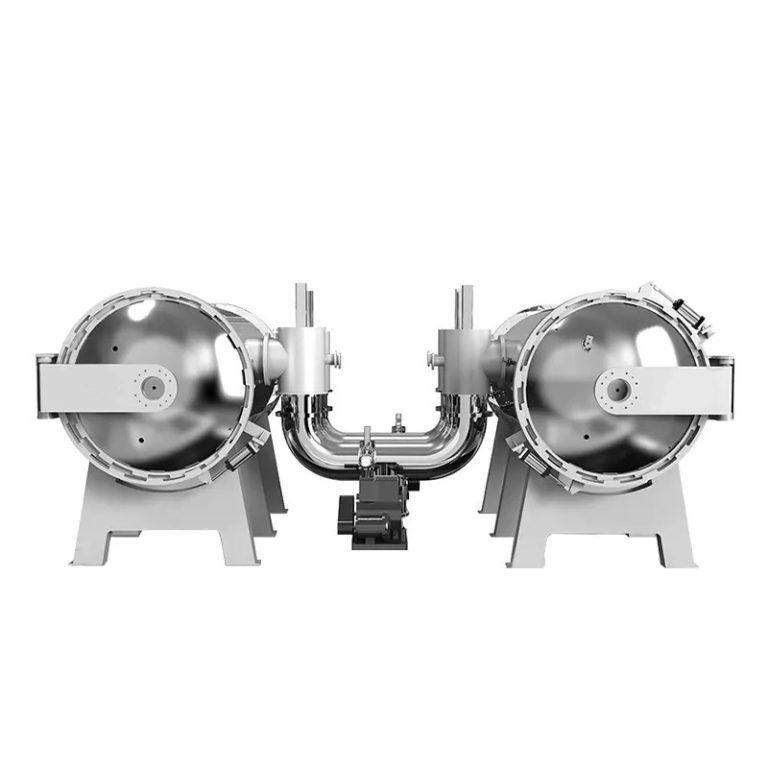
Luoyang Anjing Intelligence Equipment est un leader mondial des fours électriques à haute température



What Is the Quenching Process in Heat Treatment?
Trempe is a heat treatment process in which a heated material is rapidly cooled using water, oil, gaz, or another cooling medium. For steel, rapid cooling can transform austenite into martensite, increasing hardness and strength. The cooling rate must be carefully controlled to balance hardness, toughness, distortion, and cracking.
je. Introduction
The quenching process in heat treatment is widely used to increase the hardness, strength, and wear resistance of metals, particularly steels. The process involves heating a workpiece to a suitable temperature, holding it to achieve the required metallurgical condition, and then cooling it rapidly in a selected quenching medium.
For manufacturers, laboratories, and heat-treatment facilities, successful quenching depends on more than simply cooling a hot part. Furnace temperature uniformity, transfer time, cooling rate, quenching medium, atmosphère, and subsequent tempering all influence the final properties.
This guide explains what quenching is, how it works, which quenching media are commonly used, and what to consider when selecting a heat-treatment furnace with rapid-cooling or quenching capability.
II. What Is the Quenching Process in Heat Treatment?
Quenching is the rapid cooling of a material from an elevated temperature to obtain a desired microstructure and mechanical properties.
For many steels, the workpiece is first heated into the austenitizing range. It is then held at temperature long enough for the required transformation to occur before being rapidly cooled.
The basic process is:
Heating → Soaking → Rapid Transfer → Quenching → Tempering
During quenching, the cooling rate is sufficiently high to suppress some diffusional transformations and, in suitable steels, promote the formation of martensite. This can significantly increase hardness and strength. TWI describes quenching of ferritic steel as rapid cooling using media such as water, oil, or air blast after heating above the upper transformation temperature.
However, maximum hardness is not always the only objective. Excessively severe or poorly controlled quenching can produce distortion, residual stresses, or cracking.
1.How Does Quenching Work?
(1) Heating the Material
The first step is heating the workpiece to a suitable temperature for the selected material and heat-treatment procedure.
For steel, this often means heating above its relevant transformation temperature so that the material enters the austenitic region.
The exact temperature depends on:
- Steel grade
- Carbon content
- Alloying elements
- Part geometry
- Required microstructure
- Heat-treatment specification
A properly designed furnace should heat the entire workpiece as uniformly as practical rather than creating significant hot and cold zones.
(2) Soaking at Temperature
After reaching the target temperature, the workpiece may be held for a specified period.
This is commonly called soaking or holding.
The purpose is to allow the material to reach a sufficiently uniform temperature and establish the desired metallurgical condition before quenching.
Soaking time is not simply based on furnace temperature. It may depend on:
- Workpiece thickness
- Shape
- Material composition
- Furnace loading
- Heat-transfer conditions
(3) Rapid Transfer to the Quenching Medium
Once the heating and soaking stage is complete, the workpiece must be cooled rapidly according to the heat-treatment process.
Transfer time can be important because the part begins cooling as soon as it leaves the furnace.
A long delay between furnace removal and immersion can alter the cooling curve and therefore the resulting microstructure.
For this reason, some specialized heat-treatment equipment integrates the heating chamber and quenching system into a coordinated process.
(4) Rapid Cooling
The workpiece is exposed to a cooling medium such as:
- Water
- Oil
- Air or forced gas
- Polymer solution
- Other specialized quenchants
The cooling rate determines how the material transforms during cooling.
For appropriate steels, sufficiently rapid cooling can transform austenite into martensite, producing a hard, high-strength structure.
The cooling rate required is material-specific. A cooling medium that is appropriate for one alloy may be unnecessarily severe—or insufficient—for another.
2.Why Is Quenching Important in Heat Treatment?
(1) Increasing Hardness
One of the primary objectives of quenching steel is to increase hardness.
Martensitic transformation can generate a high-hardness microstructure, making the material more resistant to plastic deformation and surface wear.
This is important for components such as:
- Gears
- Shafts
- Dies
- Cutting tools
- Bearings
- Automotive components
- Industrial wear parts
(2)Improving Strength
Quenching can increase the strength of appropriately selected steels.
However, the quenched condition can also produce high internal stresses and reduced toughness.
For this reason, quenched steel is commonly followed by trempe rather than being used directly in the as-quenched condition. TWI notes that quenched steels are normally tempered before use because tempering improves ductility and toughness while reducing some of the extreme hardness and internal stresses associated with the quenched condition.
(3) Controlling the Final Microstructure
Heat treatment is fundamentally a process of controlling microstructure.
The combination of:
Heating temperature + Holding time + Cooling rate
determines the transformation path of the material.
This is why furnace accuracy and repeatability are important in industrial heat treatment. Two parts processed at nominally the same temperature can produce different results if their actual thermal history or cooling conditions differ.
3.What Are the Different Types of Quenching Media?
The choice of quenching medium has a major influence on cooling severity.
Water Quenching
Water can provide relatively rapid cooling.
It can therefore be effective for some steel grades that require a high cooling rate.
However, rapid cooling can also increase:
- Thermal stress
- Distortion
- Residual stress
- Risk of cracking
Water should therefore not automatically be considered the best quenching medium.

Oil Quenching
Oil is generally less severe than water and can reduce the risk of excessive thermal shock for suitable applications.
Oil quenching is commonly used for alloy steels and components where controlled cooling is required.
The appropriate oil type, temperature, agitation, and maintenance condition can all influence quenching performance.
Gas or Air Quenching
Air or forced gas can provide a gentler cooling rate than liquid quenching.
Gas quenching may be useful when minimizing distortion and surface contamination is important.
Controlled gas atmospheres can also be integrated with vacuum or atmosphere heat-treatment systems.
Polymer Quenching
Polymer-based quenchants can be formulated to provide cooling characteristics between or around those of conventional liquid systems.
The concentration and condition of the polymer solution influence its cooling performance.
4.What Is the Difference Between Quenching and Tempering?
Quenching and tempering are often discussed together, but they perform different functions.
| Process | Main Purpose | Typical Effect |
|---|---|---|
| Trempe | Rapid cooling after heating | Increases hardness/strength in suitable steels |
| Tempering | Reheating after quenching | Reduces brittleness and improves toughness |
| Recuit | Controlled slow cooling | Generally softens material and relieves stresses |
| Normalizing | Heating followed by air cooling | Refines microstructure and balances properties |
Quenching establishes the hardening transformation, while tempering adjusts the resulting properties to provide a more practical balance of hardness, toughness, and strength.
For this reason, a typical steel hardening cycle is often described as quench and temper rather than quenching alone.
5.Why Is Cooling Rate So Important?
The cooling rate determines how quickly the material passes through critical transformation ranges.
If cooling is too slow, the required hardening transformation may not occur.
If cooling is excessively aggressive, the material may experience:
- High thermal gradients
- Residual stress
- Distortion
- Cracking
An example from TWI shows that changing from water quenching to oil quenching can be used to reduce the severity of the cooling cycle in steel heat treatment.
Therefore, the objective is generally controlled rapid cooling, not simply the fastest possible cooling.
6.What Factors Affect the Quenching Process?
Material Composition
Different alloys have different hardenability and transformation characteristics.
Carbon content and alloying elements influence the cooling rate required to achieve a desired microstructure.
Workpiece Geometry
Shape and thickness affect heat transfer.
A thick component may cool differently from a thin component, even when both are immersed in the same quenching medium.
Complex geometries can also experience uneven cooling, increasing the possibility of distortion.
Quenching Medium
Water, oil, gaz, and other quenchants have different cooling characteristics.
The choice should be based on the alloy, component geometry, required hardness, and acceptable distortion.
Uniformité de la température du four
The workpiece must be heated consistently before it enters the quenching stage.
Significant temperature differences within a batch can lead to inconsistent hardness and microstructure after cooling.
Transfer Time
The time between furnace exit and quench immersion can influence the thermal history.
Automated transfer systems can help reduce operator-dependent variation.
7.What Is a Quenching Furnace?
A quenching furnace is a heat-treatment furnace configured to combine controlled heating with a defined rapid-cooling or quenching process.
Depending on the equipment design, a quenching furnace may include:
- Heating chamber
- Temperature-control system
- Insulation
- Workpiece transfer mechanism
- Water or oil quench tank
- Gas cooling system
- Protective-atmosphere system
- Safety controls
- Exhaust and ventilation system
The advantage of an integrated system is that the heating and cooling stages can be coordinated more consistently.
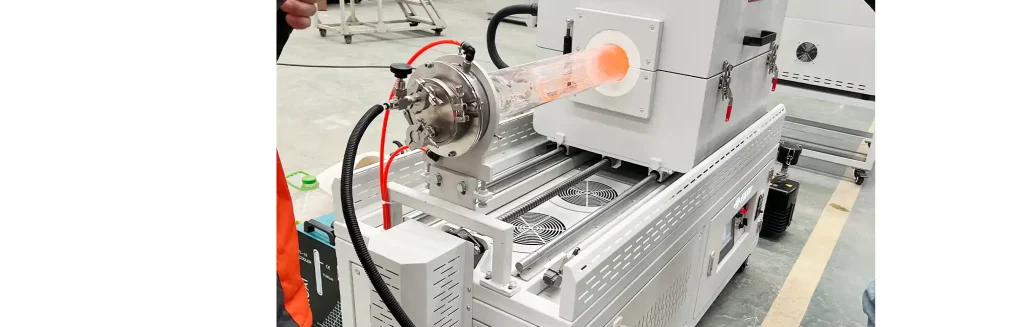
For example, offers a horizontal tube furnace configuration with an integrated water/oil quenching tank. After heating, the sample can be transferred rapidly from the hot zone into the quenching tank for rapid cooling. The published system also supports vacuum and protective-atmosphere operation and specifies a rapid cooling rate of ≥200°C/min under its stated cooling configuration.
8.When Should You Use a Quenching Furnace?
A dedicated or integrated quenching system can be valuable when the process requires accurate control of the entire thermal cycle.
Typical applications include:
Steel Heat Treatment
- Hardening
- Quenching and tempering
- Tool steel treatment
- Alloy steel treatment
Materials Research
- Phase-transformation studies
- Metallurgical research
- New alloy development
- Rapid thermal processing
Advanced Materials
Controlled rapid cooling may also be used for selected ceramics, battery materials, electronic materials, and other functional materials when their specific process requires a fast thermal transition. The rapid-cooling tube furnace is positioned for research involving metallic, ceramic, lithium-battery, electronic, magnetic, nanomaterial, and functional-material applications.
9.Conventional Furnace vs. Integrated Quenching Furnace
| Feature | Conventional Furnace | Integrated Quenching Furnace |
|---|---|---|
| Chauffage | Oui | Oui |
| Rapid cooling | Usually separate process | Integrated |
| Transfer between stages | Manual or external | Faster and more controlled |
| Atmosphere control | Depends on furnace | Can be integrated |
| Process repeatability | Depends on operation | Higher potential |
| Research flexibility | Moderate | High |
For applications where precise cooling timing is important, an integrated quenching system can reduce the variation introduced by manual transfer.
1.How to Choose a Quenching Furnace?
(1) Define the Material
Start with the actual material specification.
Different steel grades and alloys require different heating and cooling strategies.
(2)Determine the Heating Temperature
The furnace’s maximum rated temperature should exceed the actual required process temperature with an appropriate operating margin.
More important than maximum temperature alone are:
- Temperature accuracy
- Temperature uniformity
- Heating rate
- Holding stability
(3) Select the Quenching Medium
Determine whether the process requires:
- Water
- Oil
- Air
- Nitrogen
- Argon
- Polymer solution
The equipment should be configured around the required cooling method.
(4) Evaluate Cooling Rate
The target cooling rate should come from the material and heat-treatment process.
A system offering the fastest possible cooling is not necessarily the best system.
The objective is to achieve the required transformation without creating unnecessary distortion or cracking.
(5) Consider Atmosphere Protection
For materials that are sensitive to oxidation or surface contamination, vacuum or protective-gas operation may be desirable.
The appropriate atmosphere depends on the alloy and process.
rapid-cooling tube furnace, for example, supports vacuum and protective atmospheres such as nitrogen and argon.
(6)Consider Automation
For repeated production or research cycles, automatic furnace movement, gas switching, quench transfer, temperature recording, and programmable controls can improve process repeatability.
The right level of automation depends on throughput and process complexity.
III. Quenching and Heat-Treatment Furnace Solutions
MeltingFurnace.net offers high-temperature furnace systems that can be configured for controlled heating, atmosphere treatment, rapid cooling, and quenching applications.
The 1200°C Sliding Horizontal Tube Furnace is particularly relevant to rapid quenching research. Its furnace body can automatically slide away from the heating zone after the programmed heating cycle, while gas purging can accelerate cooling. The system also incorporates a removable liquid quenching tank that can use water or cooling oil, allowing high-temperature samples to be transferred rapidly into the cooling medium.
This type of configuration is useful when a research or production process requires a controlled transition from high-temperature treatment to rapid quenching without relying entirely on manual transfer.
For customers developing a custom heat-treatment process, the furnace configuration should be determined from the material grade, required heating temperature, sample dimensions, cooling medium, target cooling rate, atmosphère, and required batch capacity.
IV. Conclusion
The quenching process in heat treatment is a controlled rapid-cooling operation used to obtain specific material properties and microstructures. In suitable steels, rapid cooling from the austenitizing condition can promote martensite formation and significantly increase hardness and strength.
However, successful quenching is not simply a matter of cooling as quickly as possible. The material, heating temperature, soaking time, transfer time, cooling medium, cooling rate, and subsequent tempering must all be considered together.
For laboratories and manufacturers requiring repeatable rapid-cooling cycles, an integrated quenching furnace can provide better control over the complete heating-to-quenching process.
Contact MeltingFurnace.net to discuss your heat-treatment and quenching requirements and select a furnace configuration matched to your material, temperature, atmosphère, cooling medium, and production needs.
Click “Request a Quote” to get a customized solution.
V. FAQ
1.What is the quenching process in heat treatment?
Quenching is the rapid cooling of a material from a high temperature using a medium such as water, oil, air, or gas. In suitable steels, this rapid cooling can produce martensite and increase hardness and strength.
2.Why is quenching used in heat treatment?
Quenching is mainly used to obtain a desired hard microstructure and improve properties such as hardness and strength. In steel heat treatment, it is commonly followed by tempering to improve toughness and reduce the brittleness associated with the quenched condition.
3.What are the common quenching methods?
Common methods include water quenching, oil quenching, air or forced-gas cooling, and polymer quenching. The correct method depends on the material, geometry, desired cooling rate, hardness target, and acceptable level of distortion.
4.What is the difference between quenching and tempering?
Quenching rapidly cools the heated material to establish a hardening microstructure, while tempering reheats the quenched material at a lower temperature to reduce brittleness and improve toughness and ductility.
5.What is a quenching furnace?
A quenching furnace is a heat-treatment system designed to combine controlled heating with rapid cooling or quenching. Depending on the configuration, it may include a water/oil tank, gas cooling system, transfer mechanism, vacuum system, or protective-atmosphere controls. offers a sliding tube furnace with an integrated water/oil quenching tank and rapid-cooling function.
Supplier
Luoyang Anjing Intelligent Equipment Co., Ltd. is an enterprise dedicated to the research, development, production, sales, and technical services of heat treatment equipment such as high-temperature electric furnaces. We produce laboratory, vacuum, industrial, and medium frequency furnace, covering a temperature range from -100℃ to 2600℃, serving industries such as new energy, semiconductors, and advanced materials. We can provide customized solutions based on specific atmosphere, ultra-high temperature, and intelligent control system requirements. Please feel free to contact us if you are interested.