Tá Luoyang Anjing Intelligence Equipment ina cheannaire domhanda i bhfoirnéisí leictreacha ardteochta



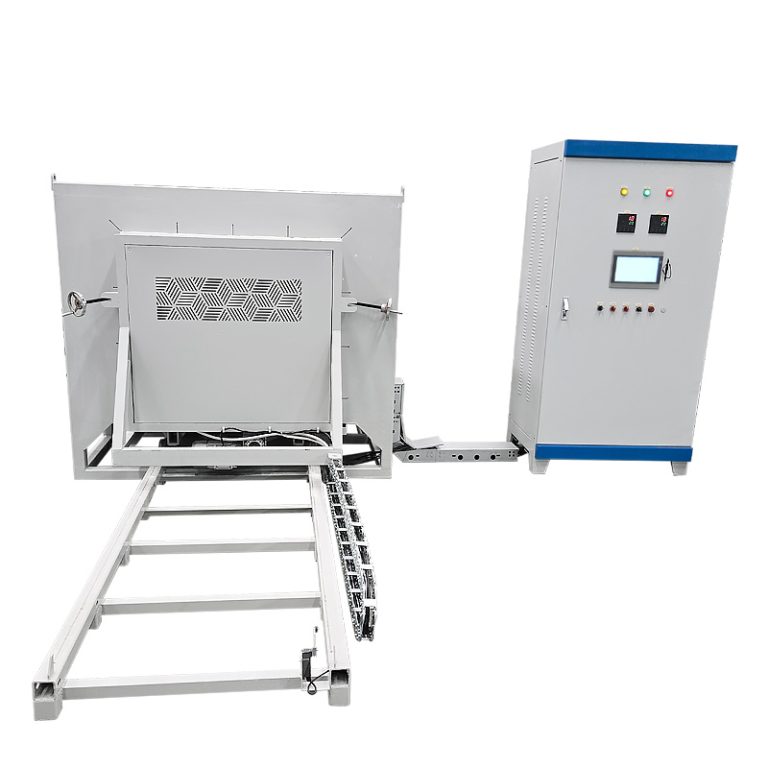
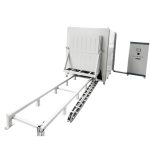
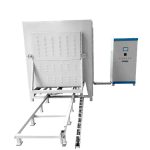
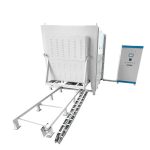
1400°C Bun Foirnéise Gluaisteán Le Rialú Scáileáin Tadhaill


Paraiméadair TÁIRGÍ
Cur síos
1400℃ Car Bottom Furnace
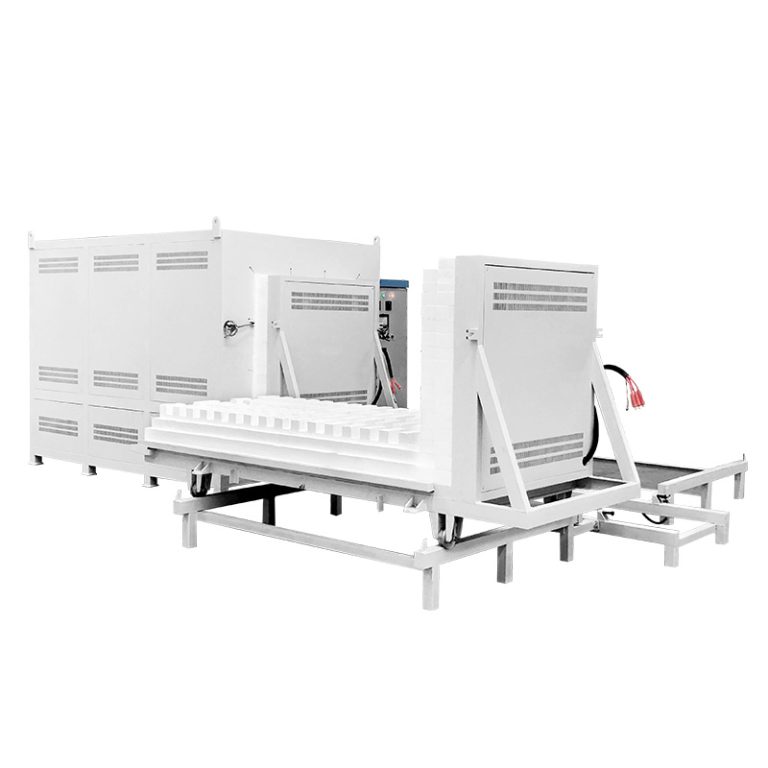
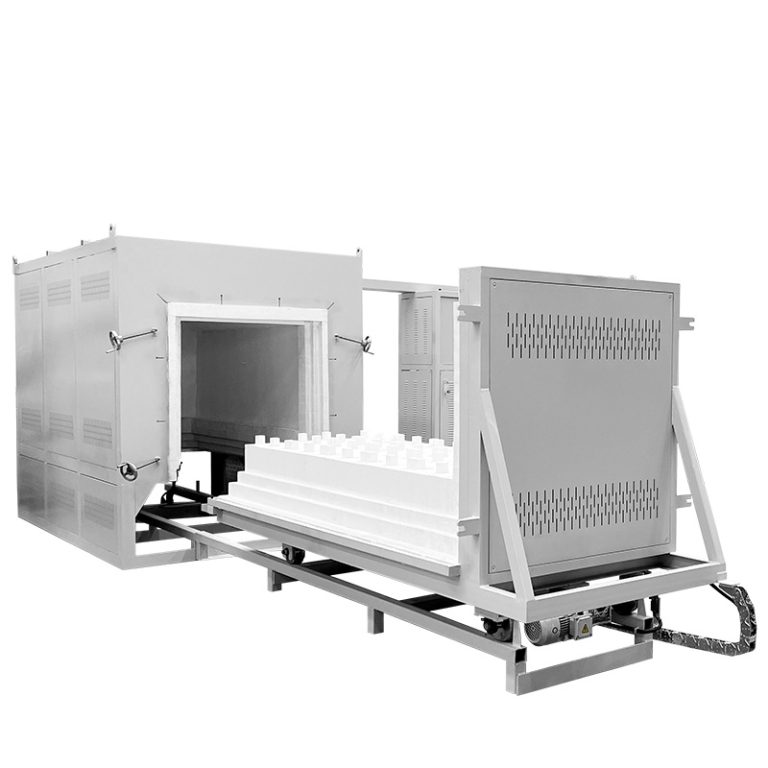
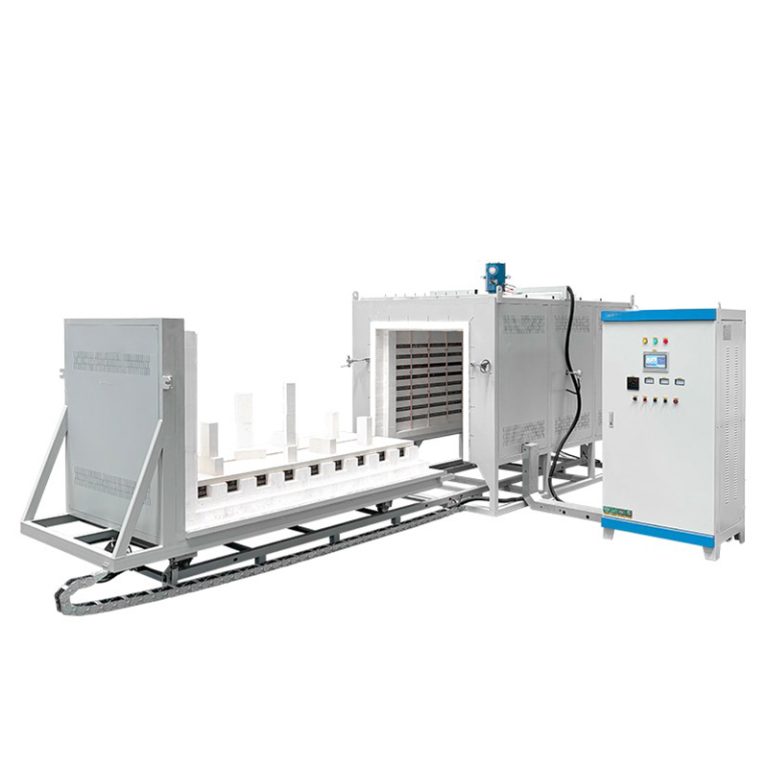
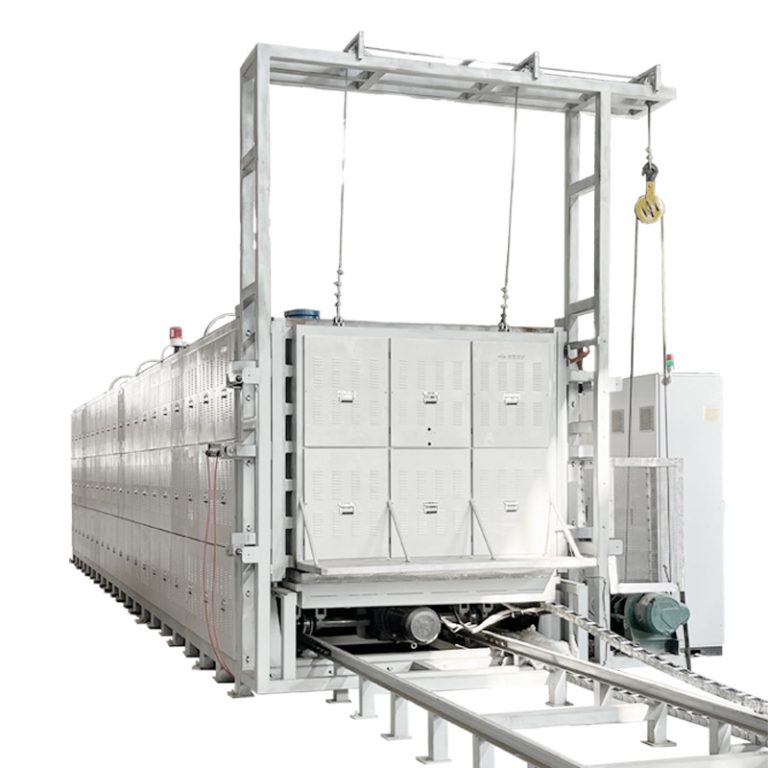
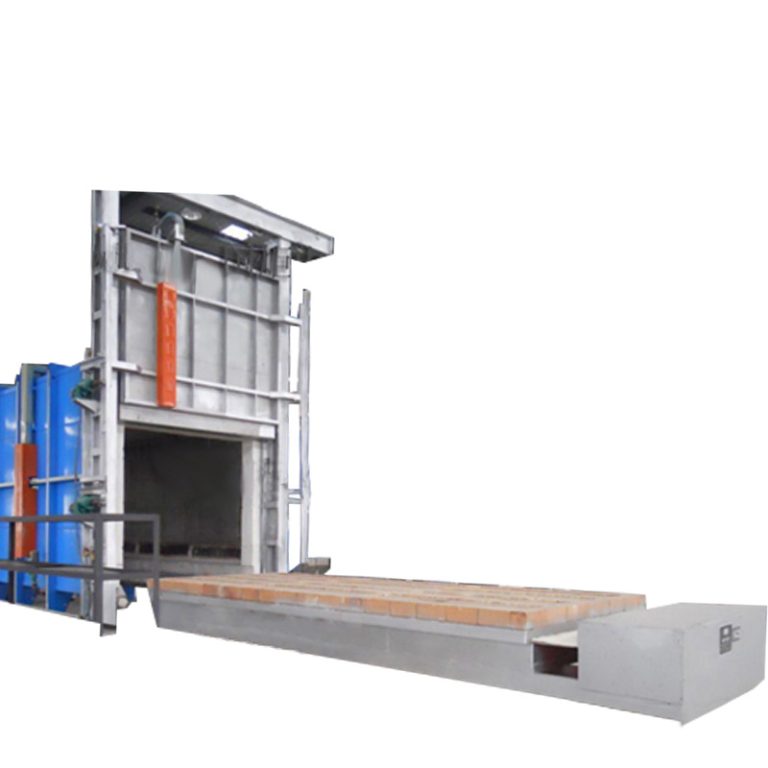
The 1400℃ car bottom furnace is an industrial electric furnace suitable for heat treatment of large workpieces. It belongs to the Car Bottom Furnace/Bogie Hearth Furnace type. The equipment adopts a movable trolley structure, facilitating the loading and unloading of heavy or large workpieces. It is widely used in the metallurgy, machinery manufacturing, mold making, and new materials industries.
This equipment, combined with a touchscreen intelligent control system, achieves high-precision temperature control and automated operation, making it an ideal device for heat treatment and sintering processes of medium to large workpieces.
Gnéithe Táirge (Foirnéise Bun Carr)
- Large-capacity furnace chamber, 2-ton load capacity
This car bottom furnace has a furnace chamber size of 1500mm × 1000mm × 1000mm (depth × width × height), with a volume of 1.5 cubic meters and a loading platform load capacity of 2 tons. Suitable for heat treatment and sintering processes of large workpieces and batch products, it is an ideal piece of equipment for mass production.

- Electric loading platform inlet and outlet, convenient operation
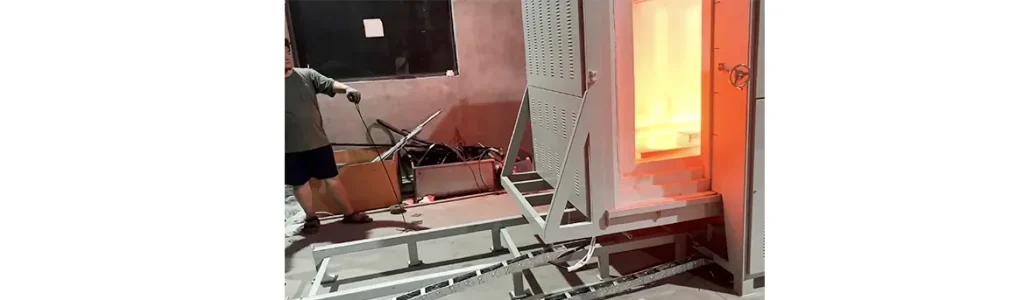
The loading platform uses an electric inlet and outlet system with a 2-ton load capacity, oibriú cobhsaí agus iontaofa a chinntiú. The refractory material between the furnace opening and the loading platform is stepped and cross-sealed, with angles on both the top and bottom of the refractory material. The opening angle of the loading platform increases, and the closing angle gradually decreases, ensuring a good seal.
- Peripheral heating
The heating elements are U-shaped silicon carbide rods of equal diameter, evenly distributed around the furnace chamber to form a three-dimensional heating field. The silicon carbide heating element is a non-metallic high-temperature electric heating element made primarily of high-purity α-SiC. It features rapid heating, éifeachtacht teirmeach ard, long lifespan, resistance to deformation at high temperatures, and ease of installation, operation, and maintenance. Temperatures can reach 1500℃.
- Rialú Teochta Beacht, Uniform Furnace Temperature
It employs a platinum-rhodium S thermocouple (temperature range 0-1600℃), with a temperature control accuracy of ±1℃ and furnace temperature uniformity of ±5℃. The heating rate can be freely adjusted from 1℃/h to 15℃/min to meet the heating speed requirements of different materials and processes.
- 7-inch Touchscreen Centralized Control
Equipped with a touchscreen, it allows for temperature curve setting and features an intuitive and user-friendly interface. It uses an intelligent temperature controller that supports multiple adjustment methods, including standard PID, AI-based APID, or MPT, and possesses self-tuning and self-learning functions, exhibiting excellent control characteristics with no overshoot or undershoot.
| Cruinneas Rialaithe Teochta | ±1 ℃ (integrated circuit control, no overshoot) |
| Aonfhoirmeacht Teocht na Foirnéise | ±5 ℃ (depending on chamber size) |
| Eilimint Tomhais Teochta | Platinum-rhodium type S thermocouple, measuring range 0-1600℃ |
| Ráta Téimh | Freely adjustable range: max 15℃/min, min 1℃/h |
| Eilimint Téimh | Silicon carbide rods (U-shaped constant diameter), made of high-purity α-SiC as main raw material, non-metallic high-temperature heating element. Features: fast heating, éifeachtacht teirmeach ard, long life, ní deformed go héasca ag teochtaí arda, easy installation and maintenance, temperature resistance up to 1500℃. |
| Corp Foirnéise | CNC meaisínithe, snasta, talamh, picilte, fosfáitithe, púdar brataithe, ard-teocht bácáilte. Cuma úrscéal, ocsaídiúcháin / aigéad / alcaile / creimeadh / teocht ard resistant, éasca a ghlanadh. |
| Furnace Body Structure | Advanced air-cooled double-layer furnace body structure with effective air-cooled guide baffles for overall cold air circulation, ultimately cooling and discharging heating element conductive strips, preventing high-temperature oxidation of conductive strips and ensuring a good working environment. |
| Furnace Mouth & Loading Platform Refractory Fit | Step cross-seal design with angles on both refractory materials; loading platform opening angle increases and gradually decreases as the platform closes. |
| Ábhar teasfhulangach | Vacuum-formed high-purity alumina lightweight material for lining. Lightweight hollow ball alumina plates at easily impacted areas (furnace mouth, bun) for high service temperature, stóráil teasa íseal, thermal shock resistance, agus insliú maith (energy saving >80% vs. old furnaces). |
| Insulation Material | Three-layer insulation: aluminum silicate fiberboard, alumina fiberboard, alúmana (polycrystalline) fiberboard. Energy saving >80% vs. old furnaces. |
| Furnace Shell Temperature | <45℃ during long-term continuous operation. |
| Protection Functions | Integrated modular control unit with accurate precision, dual-loop control and protection. Includes protection against overshoot, overregulation, underregulation, broken thermocouple, caillteanas chéim, overvoltage, overcurrent, overtemperature, current feedback, and soft start. |
| Control Method | Closed-loop thyristor module trigger control, phase-shift triggering. Output voltage/current/power continuously adjustable with constant voltage/current/power characteristics. Current loop (inner), voltage loop (outer). Limits current within rated range to protect heating elements from surges, ensuring safe and reliable control and accuracy. |
| Display Parameters | Temperature, segment number, segment time, remaining time, output power %, voltage, current, srl. |
| Buttons | Imported buttons, service life >100,000 cycles, with LED indicators. |
| Temperature Curve Setting | Intelligent temperature controller supporting standard PID, APID, MPT, srl. Features self-tuning and self-learning, no overshoot/undershoot. Supports 30-segment program control for任意 ramp heating/cooling, with programmable commands including jump (loop), run, pause, and stop; programs can be modified during operation. Curve fitting function achieves smooth control effects. |
| Touch Screen | Temperature curve setting via touch screen. |
| Multi-Curve Input | 30-segment program control: 30 segments for one curve, 14 segments each for two curves, 9 segments each for three curves, 5 segments each for five curves. Multiple curves can be input simultaneously and freely called during use. |
Réimsí Iarratais (Foirnéise Bun Carr)
- Large Metal Workpiece Heat Treatment: Annealing, normalú, ag múchadh, and tempering processes for large castings, forgings, múnlaí, rolls, and other metal workpieces. A 2-ton load capacity meets the processing needs of heavy workpieces.
- Ardscáthánú Ceirmeacha: Batch sintering of large-scale products made of high-performance ceramics such as alumina, ocsaíd siorcóiniam, nítríd sileacain, agus cairbíd sileacain. A large 1.5 cubic meter capacity improves production efficiency.
- Refractory Materials: High-temperature sintering of refractory bricks, refractory castables, magnesia-carbon bricks, and other refractory materials. The furnace chamber size can accommodate batch stacking of standard refractory bricks.
- Miotalóireacht Púdar: Batch sintering of iron-based and copper-based powder metallurgy products. A protective atmosphere can be introduced to prevent oxidation.
- Metal Casting Heat Treatment: Stress-relieving annealing, normalú, and tempering treatments for large cast steel and cast iron parts to eliminate casting stress and improve mechanical properties.
- Mold Heat Treatment: Quenching, faghartha, and annealing of large molds; furnace chambers large enough to accommodate multiple molds simultaneously.
- Automotive Parts: Batch heat treatment of large automotive structural components, chassis parts, transmission components, srl.
- Aerospace Components: Heat treatment processes for large aerospace structural components and high-temperature alloy parts.
Próifíl na Cuideachta
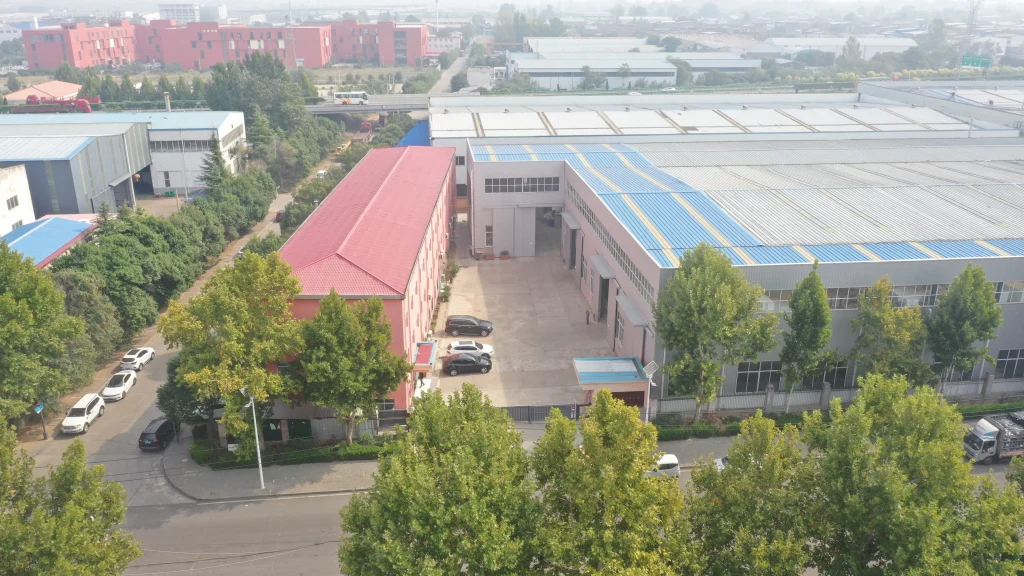
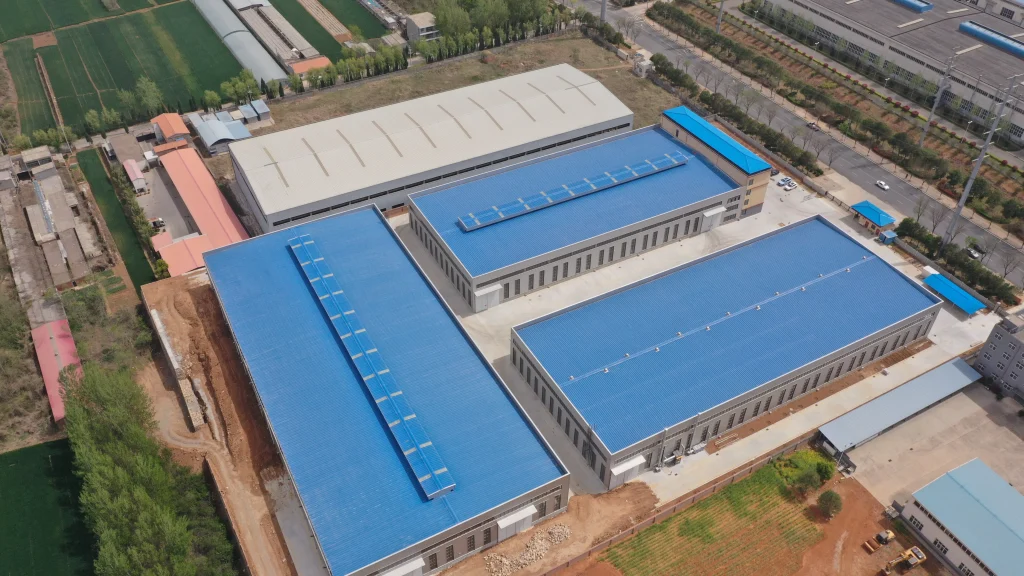
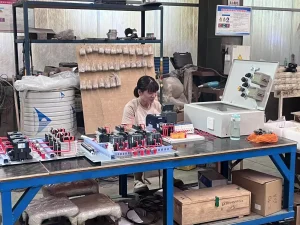
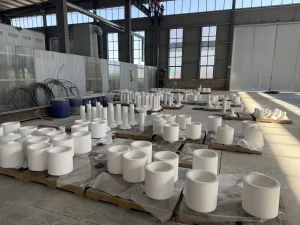
Is fiontar gairmiúil atá ag speisialú i seirbhísí teicneolaíochta cóireála teasa agus an R&D, déantúsaíocht, agus díolachán foirnéisí leictreacha ardteochta.
Díríonn an chuideachta ar fhoirnéisí leictreacha ardteochta a fhorbairt a chlúdaíonn raon teochta iomlán de -100 ℃ go 2600 ℃. Áirítear ar a chuid táirgí foirnéisí leictreacha turgnamhacha, foirnéisí atmaisféar bhfolús, áitheanna tionsclaíochta, agus trealamh téimh ionduchtaithe meánmhinicíochta. I measc na dtáirgí is mó tá foirnéisí bosca, foirnéisí feadán, foirnéisí ardaithe, áitheanna pusher, foirnéisí bogie, áitheanna rothlacha, áitheanna tolláin, agus foirnéisí meán-minicíochta speisialaithe éagsúla.
Cloíonn an chuideachta le nuálaíocht theicneolaíoch agus tá deimhnithe ISO9001 agus CE an AE faighte aici. Is leis 21 trádmharcanna cláraithe, 29 paitinní, agus 27 cóipchearta bogearraí.
Modhanna Íocaíochta
TT
Modhanna Loingsiú
Tá an foirnéis leictreach pacáistithe i dtrí shraith: fillte ar dtús i páipéar cúr, fillte ansin i scannán plaisteach, agus ar deireadh pacáilte i gcliathbhosca adhmaid.
Car Bottom Furnace Frequently Asked Questions (CCanna)
- What is this furnace used for?
It is used for large-volume heat treatment, shintéiriú, anáil, and other processes involving large workpieces.
- What is the maximum temperature?
The maximum operating temperature is 1400℃, suitable for various high-temperature heat treatment processes.
- Can it operate automatically?
Tá. The equipment supports PLC program control, enabling fully automatic heating, holding, and cooling.
- How much can the loading platform hold?
2 tons, electrically operated, easy to operate.
- How is the sealing performance?
The furnace opening and loading platform use a stepped, cross-sealing design with angles at both the top and bottom, gradually tightening when closing.