Luoyang Anjing Intelligence Equipment는 고온 전기로 분야의 글로벌 리더입니다.



전기로 분위기 제어 및 분석 시스템


제품 매개변수
설명
Electric Furnace Atmosphere Treatment and Analysis System
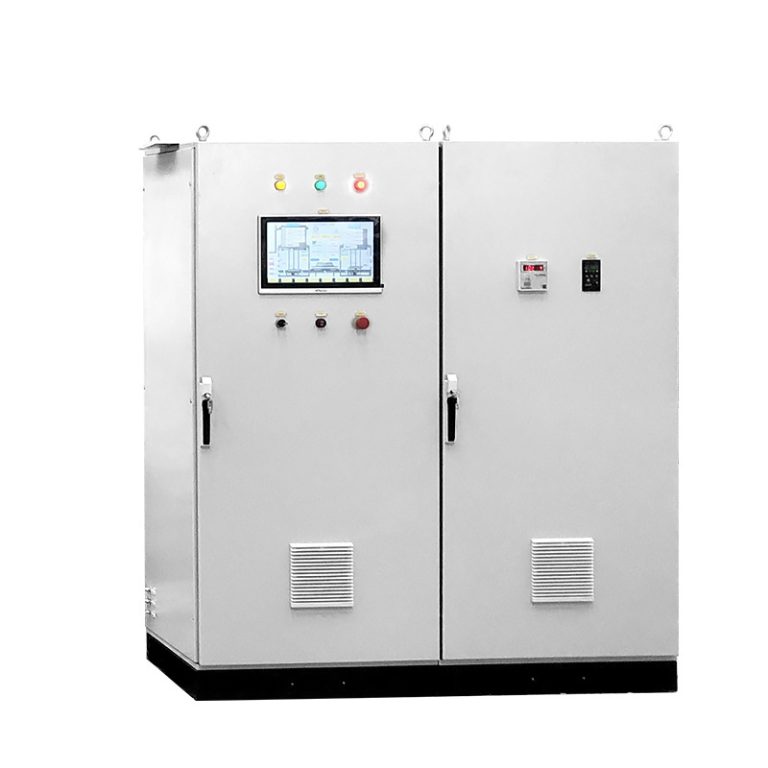
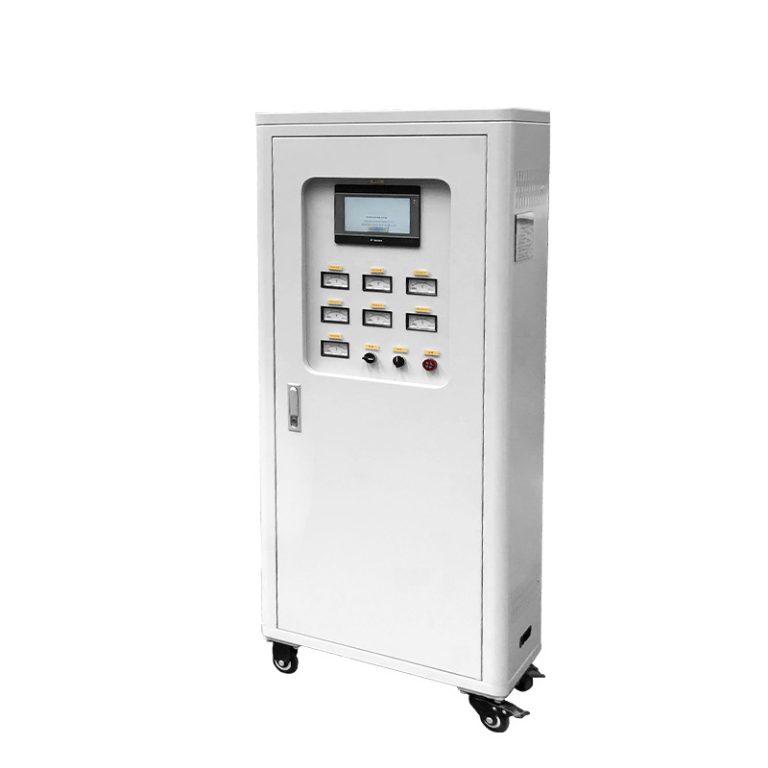
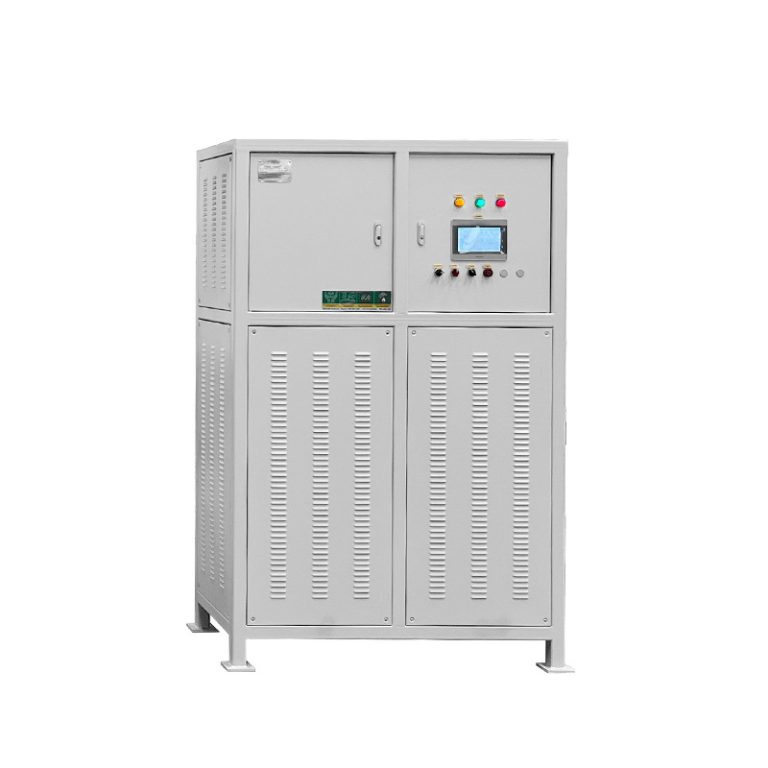
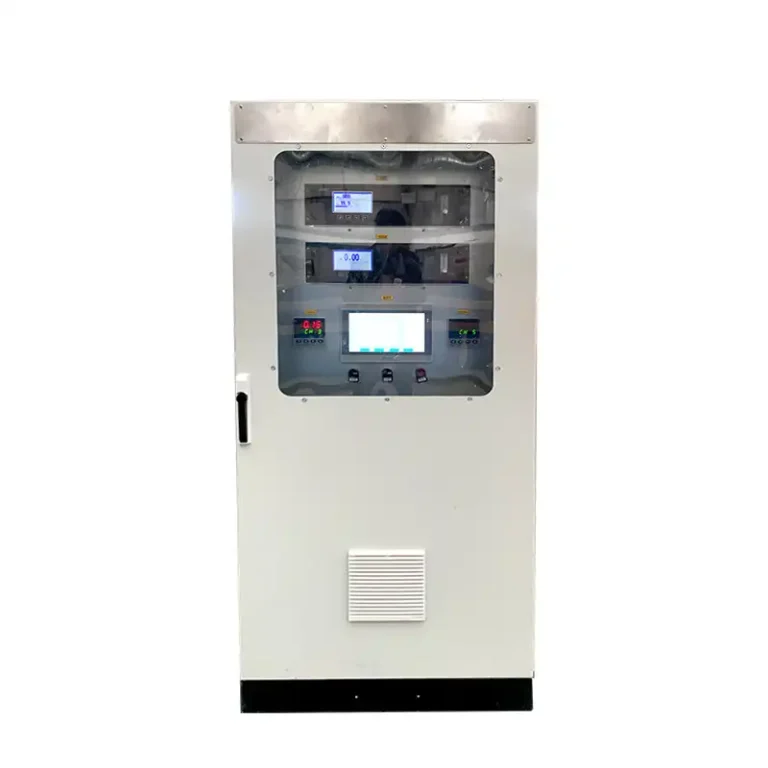
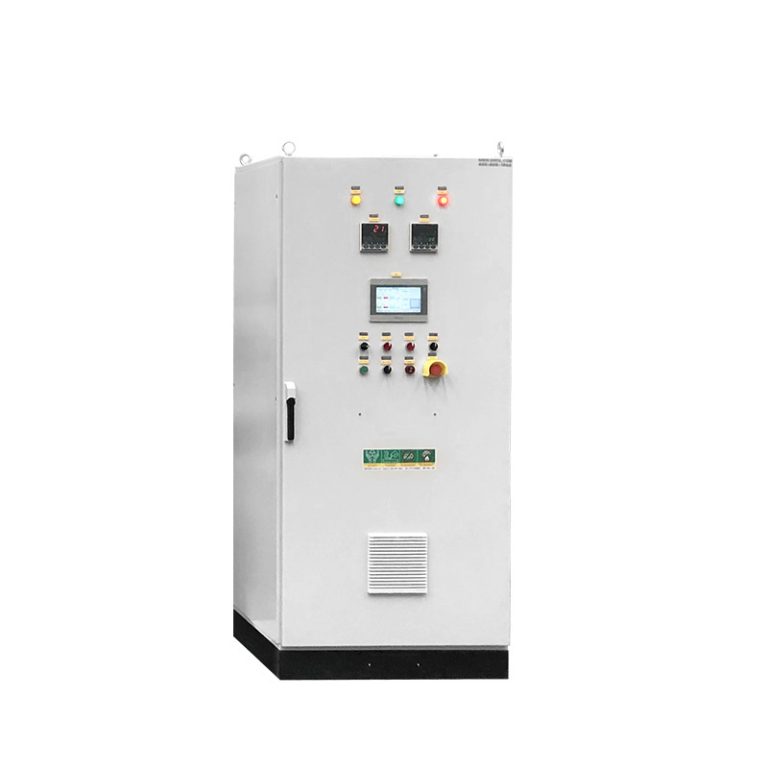
The Electric Furnace Atmosphere Treatment and Analysis System is an online atmosphere detection and analysis system specifically developed for high-temperature electric furnaces, 분위기 용광로, sintering furnaces, heat treatment furnaces, and other similar equipment. The system uses high-precision gas detection sensors to monitor the oxygen concentration and related atmosphere parameters in the exhaust gas from the furnace or furnace tail in real time, enabling atmosphere control, data recording, anomaly alarms, and remote communication management during the production process.
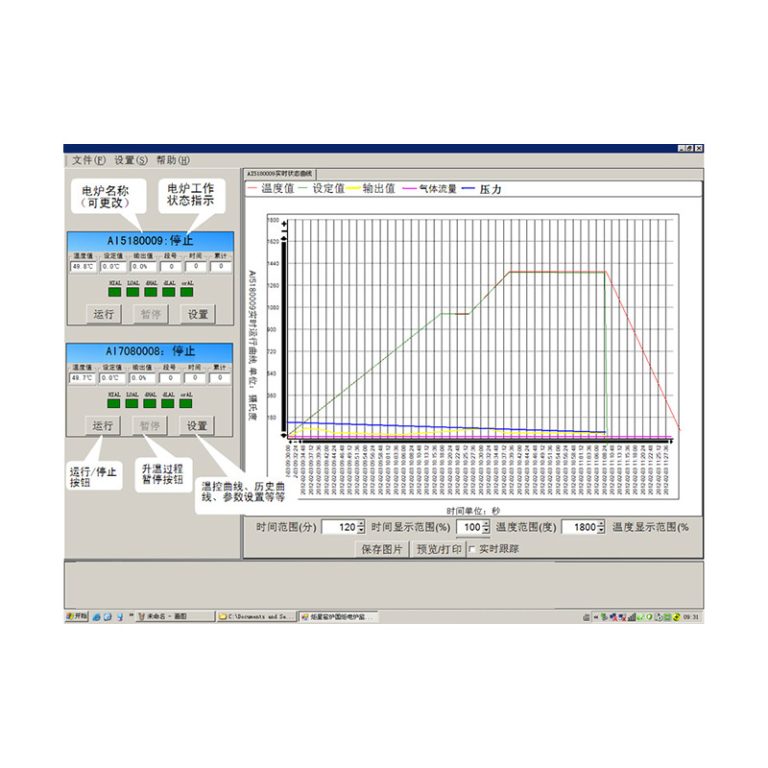
It adopts an imported electrochemical oxygen sensor and microprocessor control, and has the functions of digital display, upper and lower limit alarm, signal output, relay alarm, data storage and trend curve display.
제품특징
- Imported High-Performance Electrochemical Sensor: High Accuracy and Long Lifespan
It uses an imported high-performance electrochemical gas sensor, combined with microprocessor technology, to continuously monitor oxygen concentration. The measurement range is selectable 0-25%, 0-50%, 0-100% O₂, with a resolution of 0.01%, linearity error ±1.5%FS, zero drift ±1.5%FS/7d, and repeatability error ±1%FS.
- Large-Screen LCD with Full Chinese User Interface
Large-screen LCD display with a full Chinese menu and real-time clock. The user-friendly interface is simple and intuitive, facilitating quick on-site setup and data retrieval.
- Paperless Recorder Function for Traceable Data Storage
It features a timed automatic data saving function, allowing you to view the saved data at any time. The paperless recording function automatically records changes in oxygen concentration over time, facilitating process analysis and quality traceability. It can also be connected to a printer for timed automatic printing, meeting the needs of data recording and archiving.
- RS232 Communication, Supporting Real-Time Data Transmission
It has an RS232 communication port, which can be connected to a computer to realize real-time data transmission, storage, trend chart drawing and report printing.
- Upper and Lower Limit Alarm Output, Real-Time Warning
Allows the setting of upper and lower limit alarm points with alarm contact output. An automatic alarm is triggered when the oxygen concentration exceeds the set range, alerting operators to adjust the atmosphere and ensure process quality. Standard signal output is selectable between 0-10mA and 4-20mA.
- Online Calibration, 편리한 유지관리
It can be calibrated online using standard gas without disassembling the sensor, making maintenance convenient and quick. Sample gas flow rate is 300 ml/min, inlet temperature is 0-40℃, and inlet pressure is <0.2 MPa.

| 목 | 사양 |
|---|---|
| Measuring range | 0~25%, 0~50%, 0~100% O₂ |
| Linearity error | ±1.5% FS |
| Zero drift | ±1.5% FS / 7d |
| Span drift | ±1.5% FS / 7d |
| Repeatability error | ±1% FS |
| Resolution | 0.01% |
| Response time | T90 < 40s |
| Output signal | 0~10mA, 4~20mA |
| Power supply | 220VAC ±10%,50Hz ±1Hz |
| Ambient temperature | 0~40℃ |
| Sample gas flow | 300 ml/min |
| Inlet gas temperature | 0~40℃ |
| Inlet gas pressure | < 0.2MPa |
응용분야
- Electric Furnace Exhaust Gas Monitoring: Used for continuous monitoring of oxygen content in exhaust gases from industrial kilns such as high-temperature electric furnaces, heat treatment furnaces, and sintering furnaces, ensuring combustion efficiency and emission compliance.
- Protective Atmosphere Monitoring: Used for monitoring residual oxygen content in protective atmospheres such as nitrogen, 수소, and argon, ensuring that oxygen content in processes such as metal heat treatment and ceramic sintering remains within safe ranges.
- Vacuum Furnace Atmosphere Analysis: Used for monitoring oxygen content in the backfill atmosphere of vacuum furnaces, ensuring that the atmosphere inside the vacuum furnace meets process requirements.
- Heat Treatment Process Control: Used for real-time monitoring and control of oxygen potential inside the furnace during metal heat treatment, preventing metal oxidation and decarburization.
- Research Laboratories: Used for oxygen content analysis in high-temperature experimental atmospheres in materials science, chemical engineering, and other related fields.
- Chemical and Electronic Industries: Used in chemical reactions, electronic component production, and other processes requiring precise oxygen content control.
회사 프로필
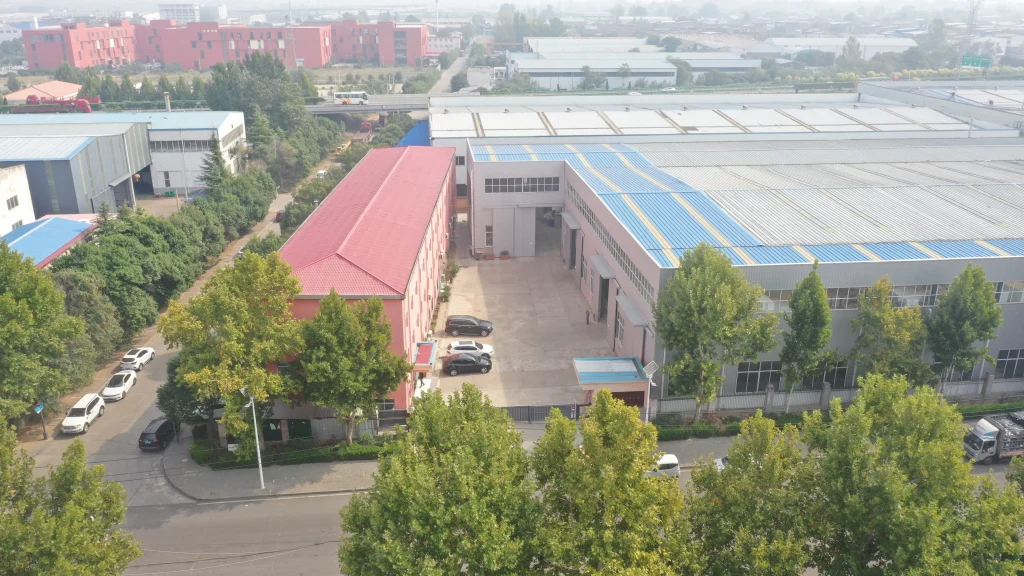
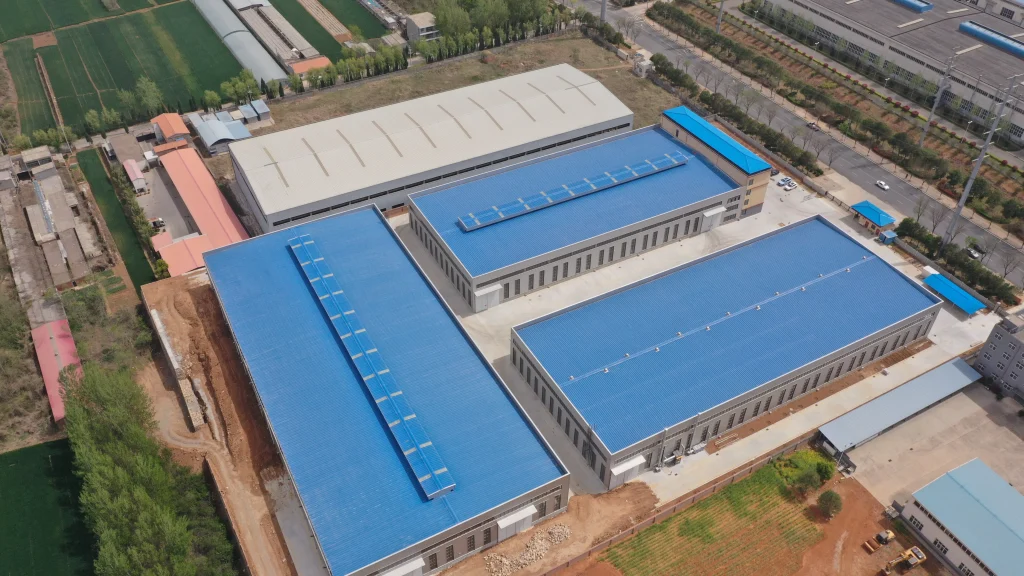
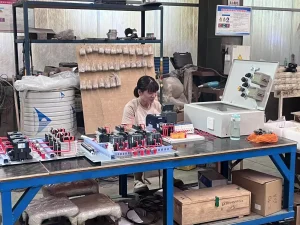
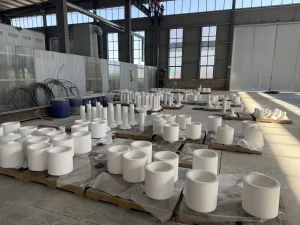
열처리 기술 서비스 및 R 전문 기업&디, 조작, 고온전기로 판매 및 판매.
-100℃ ~ 2600℃의 전온도 범위를 커버하는 고온 전기로 개발에 주력하고 있습니다.. 해당 제품에는 실험용 전기로가 포함됩니다., 진공 분위기 용광로, 산업 가마, 및 중주파 유도 가열 장비. 주요 제품으로는 상자로(Box Furnace)가 있습니다., 튜브 용광로, 리프팅 용광로, 푸셔 가마, 보기 용광로, 회전식 가마, 터널 가마, 다양한 전문 중주파로.
회사는 기술 혁신을 고수하고 ISO9001 및 EU CE 인증을 통과했습니다.. 그것은 소유 21 등록상표, 29 특허, 그리고 27 소프트웨어 저작권.
결제 방법
TT
배송 방법
전기로는 3단으로 포장되어 있습니다.전기로는 3겹으로 포장되어 있습니다.: 먼저 발포 종이로 포장, 그런 다음 플라스틱 필름으로 싸서, 그리고 마침내 나무 상자에 포장되었습니다..
자주 묻는 질문 (FAQ)
- What gases can this oxygen analyzer detect oxygen content in?
The equipment can be used for continuous detection of oxygen concentration in various atmospheres, including air, nitrogen, 수소, and argon.
- What is the measurement range of the oxygen analyzer?
The equipment offers multiple range options, including: 0–25% O₂, 0–50% O₂, and 0–100% O₂. Users can select the appropriate range according to their actual process requirements.
- Does the equipment support data logging and computer connection?
예. The instrument is equipped with an RS232 communication interface, which can be connected to a computer to achieve real-time data transmission, 데이터 저장, trend curve display, and report printing.
- How is the oxygen analyzer calibrated?
The equipment supports online calibration with standard gas. Calibration can be performed using standard oxygen concentration gases to improve detection accuracy.
- What industrial equipment is this system suitable for?
It is suitable for equipment such as electric furnaces, 분위기 용광로, heat treatment furnaces, sintering furnaces, and vacuum furnaces that require real-time monitoring of oxygen concentration, and can be used for production process control and experimental data analysis.