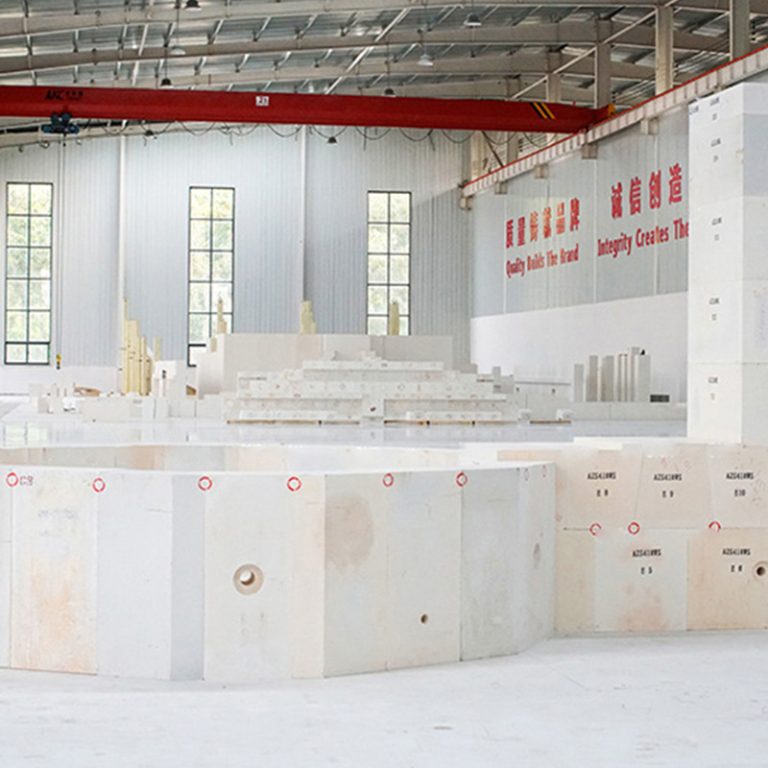
Luoyang Anjing Intelligence Equipment est un leader mondial des fours électriques à haute température



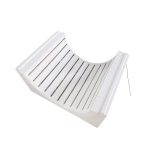
Revêtement de four en fibre céramique aluminosilicate


PARAMÈTRES DU PRODUIT
Description
Alumina Silicate Ceramic Fiber Furnace Liner
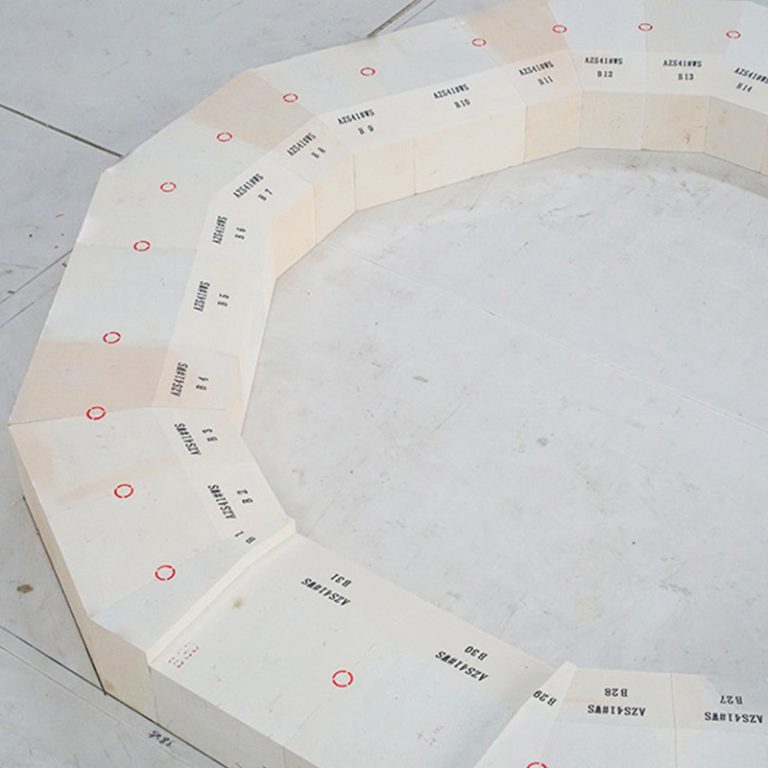
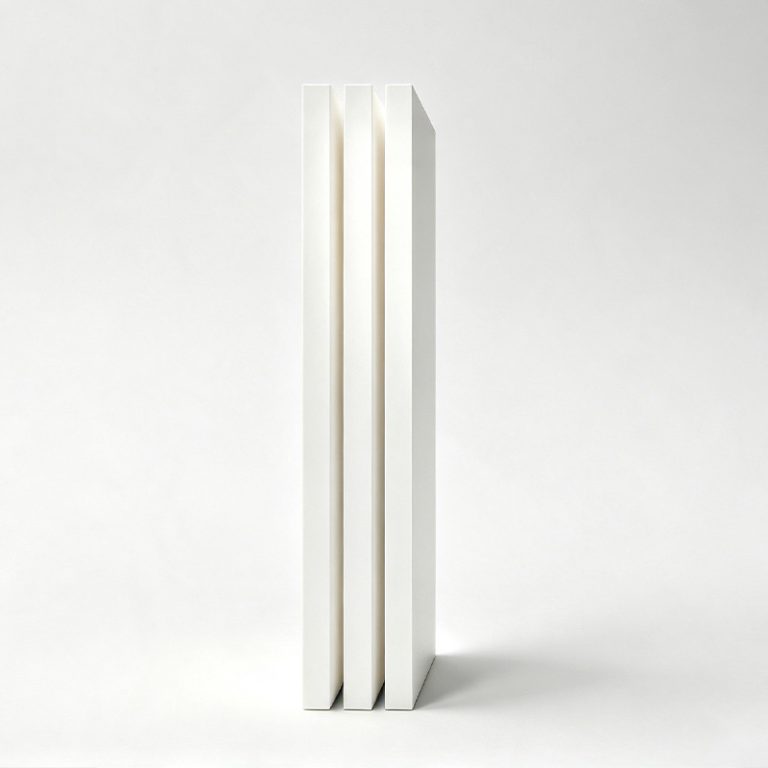
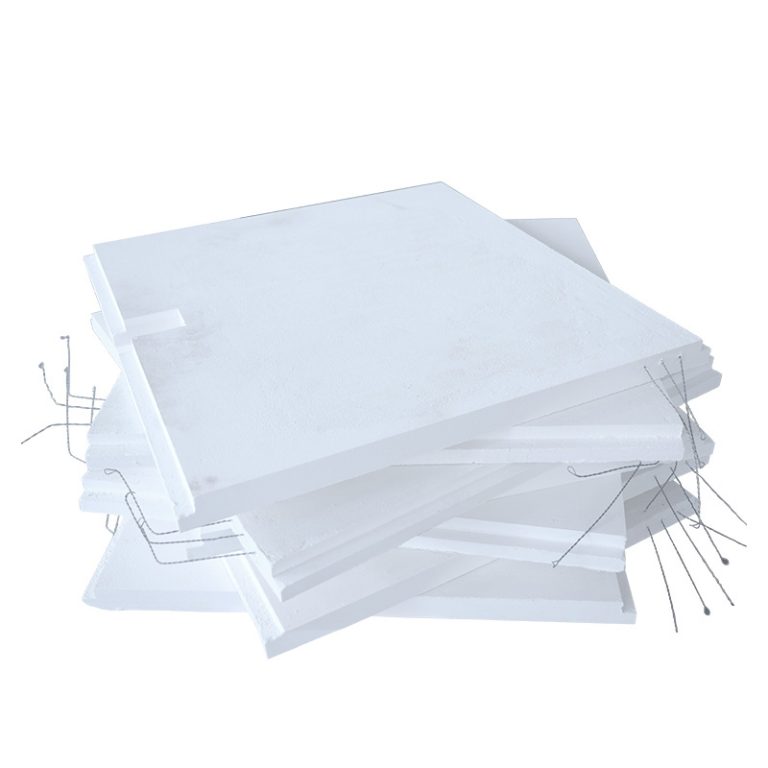
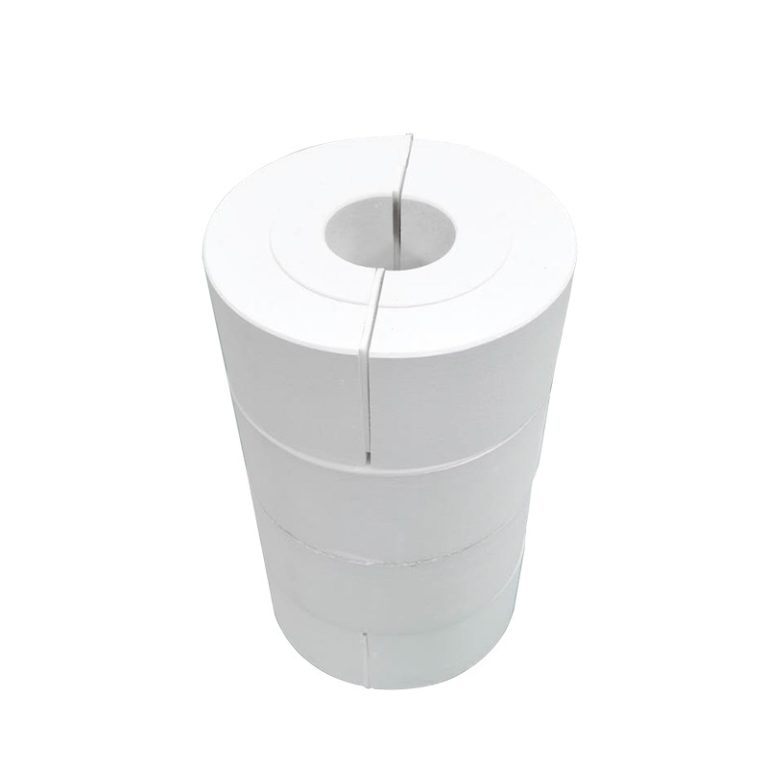
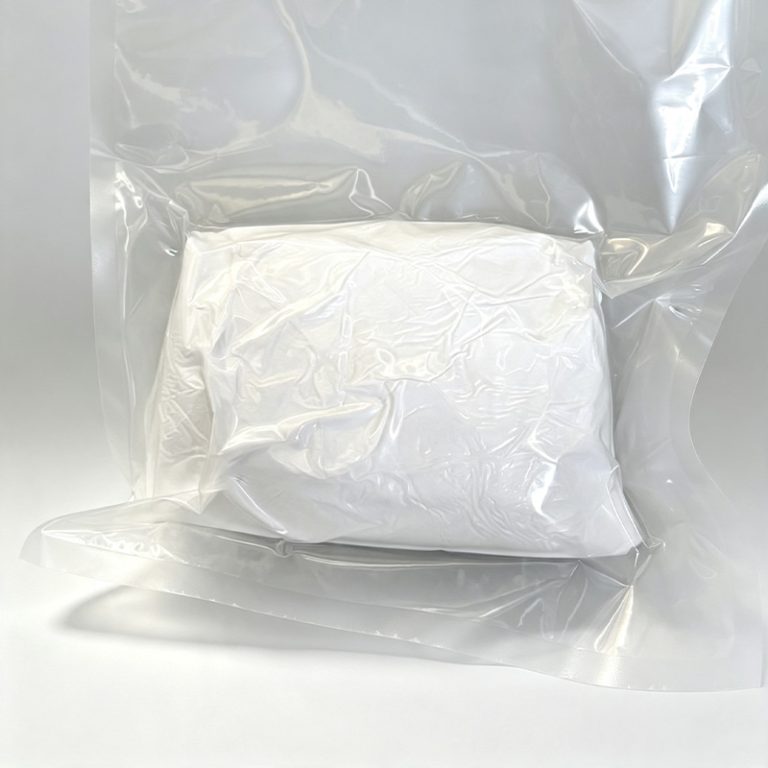
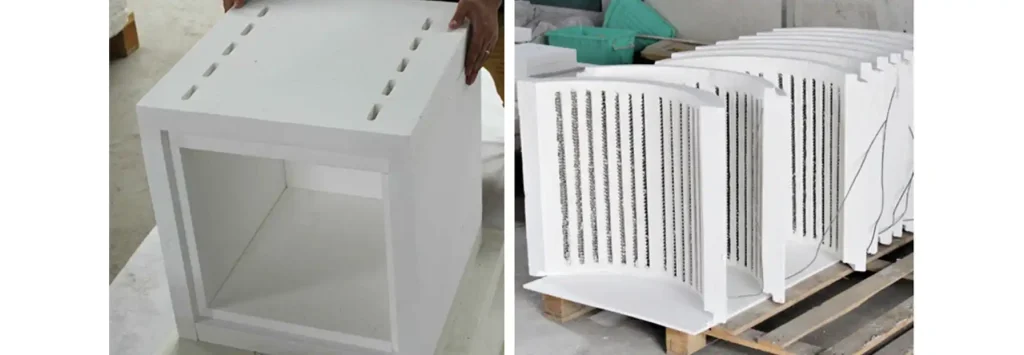
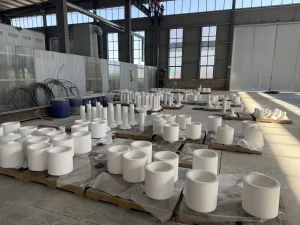
Alumina silicate ceramic fiber furnace liner is an integrated furnace product made from high-purity alumina silicate fiber (ceramic fiber) or alumina fiber using a vacuum forming process. The product features lightweight construction, rapid heating, uniform furnace temperature, and high energy efficiency. Box-type furnaces, fours tubulaires, and various electric heating plates can be customized according to customer needs. Our company is a reputable factory with years of processing experience and a team of skilled technicians. Custom orders based on drawings or samples are welcome.
Resistance heating series products use resistance wire heating elements integrated with ceramic fiber, featuring rapid heating and cooling, uniform furnace temperature, and lightweight construction. High-temperature fiber furnace liner is made of polycrystalline mullite fiber or polycrystalline alumina fiber, characterized by lightweight construction, rapid heating, and high energy efficiency, and is gradually replacing traditional heavy refractory furnace liner materials.
Caractéristiques du produit
- Premium High-Cost Raw Materials, Guaranteed Quality
Made from carefully selected high-purity aluminosilicate/alumina raw materials. Raw materials are a prerequisite for quality, ensuring the product’s high-temperature performance and insulation effect from the source.
- Customization Based on Drawings, Flexible and Diverse
Personalized customization services are supported. Box-type furnaces, tube-type furnaces, and various types of electric heating plates can be customized to meet different equipment and process requirements.
- Rapid Heating and Cooling, Température uniforme du four
The fiber furnace lining has low heat capacity, faible stockage de chaleur, rapid heating and cooling, and good temperature uniformity within the furnace, effectively improving process efficiency.
- Léger, High Energy Efficiency
The fiber furnace lining has low density and is lightweight, significantly reducing equipment load compared to traditional heavy refractory furnace linings. Energy savings can reach 20-40%, significantly reducing operating costs.
- Low Thermal Conductivity, Excellent Insulation Performance
The material has low thermal conductivity, providing significant insulation and reducing heat loss, thus improving thermal energy utilization.
- Flexible resistance wire arrangement to adapt to various processes
The resistance wire can be arranged in a zigzag or spiral pattern, and the forming method can be embedded or buried, adapting to different temperature uniformity and heating power requirements.
| Article | Aluminosilicate Ceramic Fiber Chamber | Alumina Chamber |
|---|---|---|
| Matériel | Aluminosilicate ceramic fiber | Alumina (polycrystalline mullite / polycrystalline alumina) |
| Design Temperature | 200 ~ 1200℃ | 1300 ~ 1700℃ |
| Heating Elements | Resistance wire, SiC rods | SiC rods, MoSi₂ rods |
| Energy Saving Rate | — | Up to 20~40% |
| Resistance Wire Arrangement | Zigzag or spiral | Zigzag or spiral |
| Forming Method | Embedded or buried | Embedded or buried |
| Specifications | Customized per drawings | Customized per drawings |
| Processing Experience | Years of experience, mature process | Years of experience, mature process |
Domaines d'application
- Experimental and Industrial Electric Furnaces: Used for the inner lining of various electric furnaces such as box furnaces, fours tubulaires, and atmosphere furnaces.
- Ceramics and Building Materials Industry: Used for the lining of ceramic firing kilns, shuttle kilns, fours tunnel, and other kilns.
- Heat Treatment Industry: Used for furnace linings in heat treatment, recuit, and quenching processes of metallic materials.
- New Materials Research and Development: Used for high-temperature experiments and new material synthesis furnace linings in universities and research institutes.
- Electronics and Semiconductors: Used for precision temperature-controlled furnace linings in electronic component sintering and semiconductor material heat treatment.
Profil de l'entreprise
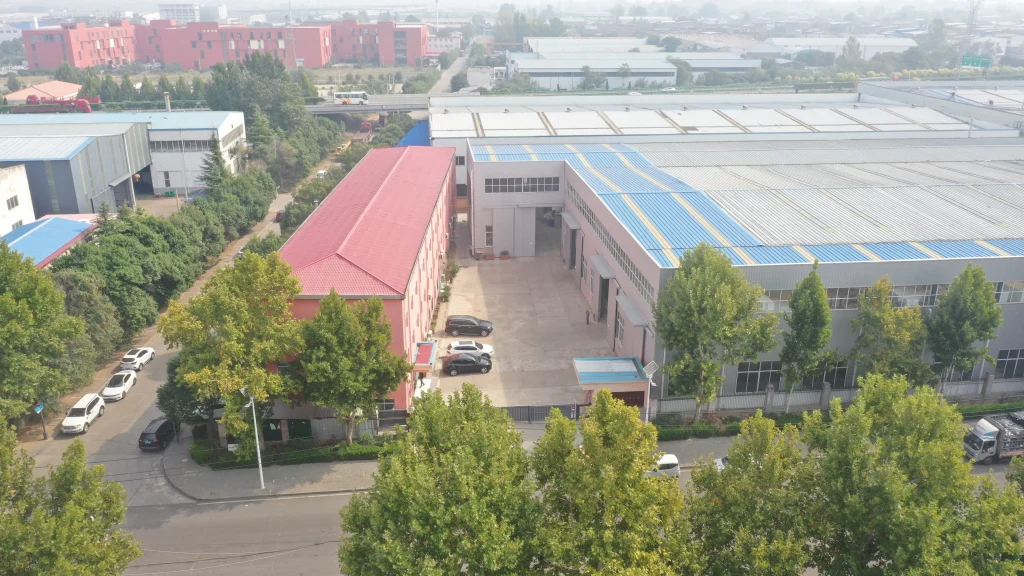
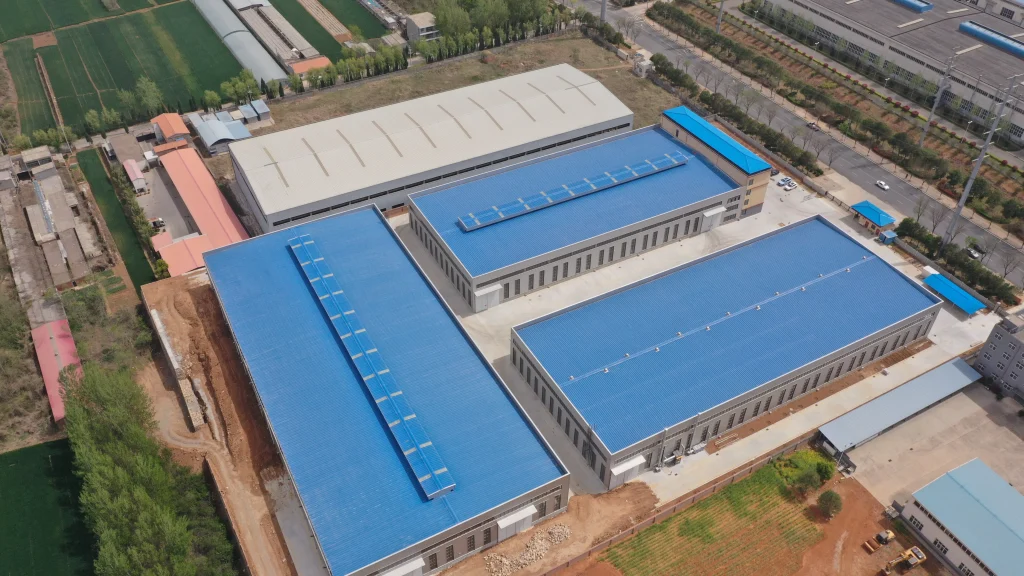
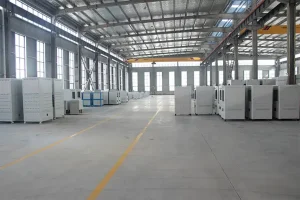
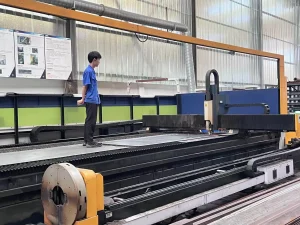
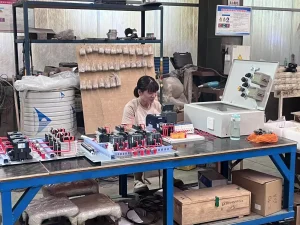
Une entreprise professionnelle spécialisée dans les services de technologie de traitement thermique et le R&D, fabrication, et vente de fours électriques haute température.
La société se concentre sur le développement de fours électriques à haute température couvrant une plage de températures complète de -100 ℃ à 2 600 ℃.. Ses produits comprennent des fours électriques expérimentaux, fours à atmosphère sous vide, fours industriels, et équipements de chauffage par induction à moyenne fréquence. Les principaux produits comprennent des fours à caissons, fours tubulaires, fours de levage, fours pousseurs, fours à bogies, fours rotatifs, fours tunnel, et divers fours spécialisés moyenne fréquence.
L'entreprise adhère à l'innovation technologique et a passé les certifications ISO9001 et CE de l'UE.. Il possède 21 marques déposées, 29 brevets, et 27 droits d'auteur sur les logiciels.
Méthodes de paiement
TT
Méthodes d'expédition
Le four électrique est emballé dans le four électrique est emballé en trois couches: d'abord enveloppé dans du papier mousse, puis enveloppé dans un film plastique, et enfin emballé dans une caisse en bois.
Foire aux questions (FAQ)
- How to choose between aluminosilicate fiber furnace lining and alumina fiber furnace lining?
Select based on operating temperature—aluminosilicate fiber furnace lining is used below 1200℃; alumina fiber furnace lining is used for 1300~1700℃. Alumina fiber furnace lining also offers higher energy savings (up to 20~40%).
- What are the options for heating elements? How should they be arranged?
Low-temperature furnaces use resistance wire or silicon carbide rods; ultra-high-temperature furnaces use silicon carbide rods or silicon molybdenum rods. Resistance wires can be arranged in a zigzag or spiral pattern. The forming method can be embedded (heating elements are buried inside the furnace lining) or recessed (heating elements are pre-embedded in the furnace wall).
- Do you support custom designs based on provided drawings?
Oui. Our company is a reputable factory with many years of processing experience and a team of skilled technicians. We can customize box-type furnace linings, tubular furnace linings, and various electric heating plates. Custom designs based on provided drawings or samples are welcome.
- How energy-efficient are the products?
Fiber furnace linings have low thermal conductivity and low heat storage capacity, resulting in significant energy savings. Alumina fiber furnace linings can achieve energy savings of 20-40%, significantly reducing energy consumption compared to traditional heavy refractory furnace linings.
- How fast does the product heat up?
Due to the low heat capacity of fiber materials, the heating and cooling rates are much faster than traditional heavy refractory furnace linings, which can significantly shorten process waiting time and improve production efficiency.