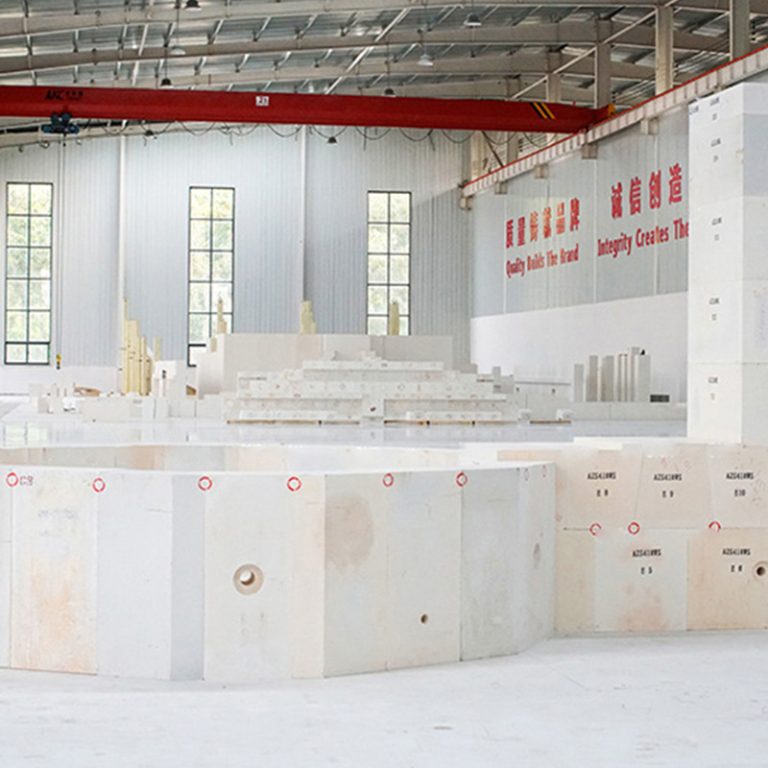
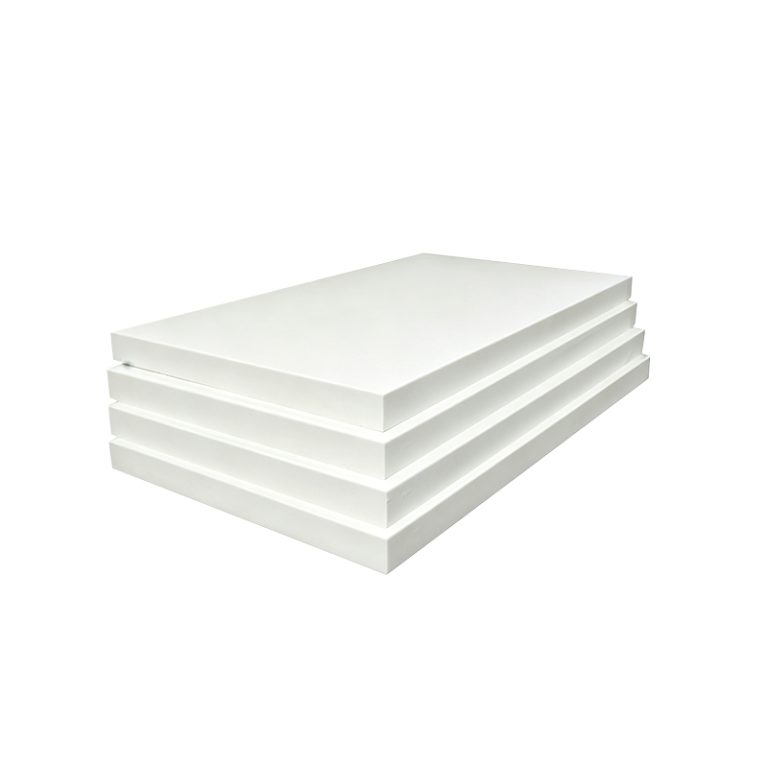
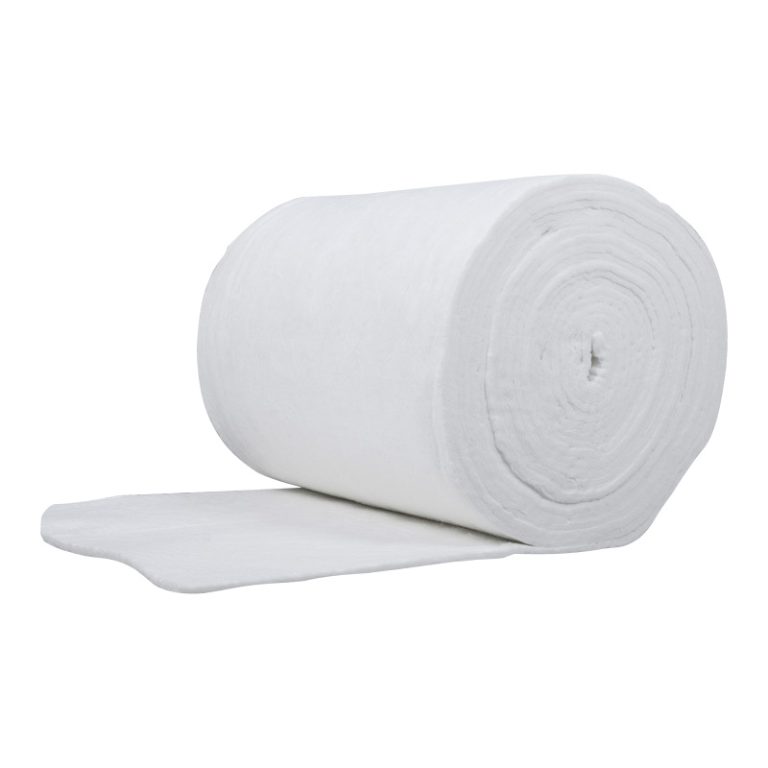
Luoyang Anjing Intelligence Equipment est un leader mondial des fours électriques à haute température



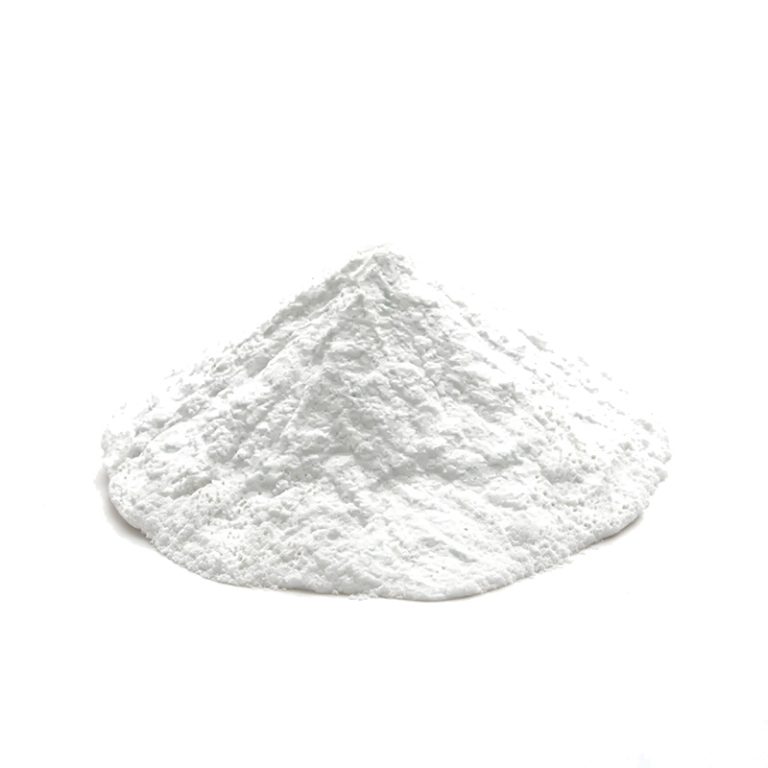
Matériau de réparation réfractaire de four à haute température

PARAMÈTRES DU PRODUIT
Description
High-Temperature Furnace Lining Repair Material
This fiber material repair material is a specialized repair material designed for ceramic fiber products. It is primarily used for repairing cracks, holes, and localized damage on the surface of high-temperature fiber products such as ceramic fiber boards and ceramic fiber furnace linings. This product uses high-quality refractory fibers as the main raw material, combined with a binder, and possesses excellent bonding properties, high-temperature resistance, and thermal stability. After repair, it bonds firmly to the substrate, and after curing, it exhibits high strength and does not crack, effectively extending the service life of the furnace lining and reducing replacement costs.
Caractéristiques du produit
- Excellent High Temperature Resistance
Covering multiple temperature ranges from 1260℃ to 1750℃, it can be flexibly selected according to the actual operating temperature of the furnace.
- High Bonding Strength and Strong Bonding
After repair, it bonds tightly to the ceramic fiber matrix, achieving high strength after curing, and is not prone to peeling or cracking.
- Good Thermal Stability
Matching the coefficient of thermal expansion of ceramic fiber products, it does not peel or pulverize at high temperatures, resulting in a long service life.
- Simple Construction and Operation at Room Temperature
Simply add water and mix well on-site before use; no special construction equipment is required, making the operation simple and quick.
- Economical and Practical, Extending Furnace Life
Effectively repairs localized damage to the furnace, avoiding complete replacement and significantly reducing maintenance costs.
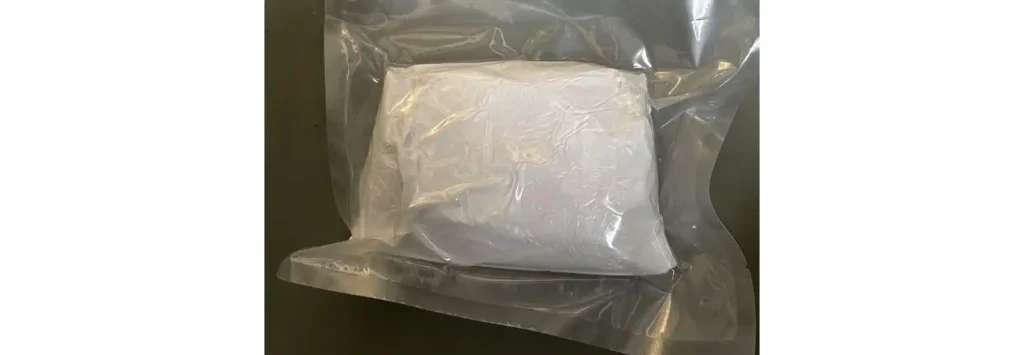
| Article | Description |
|---|---|
| Instructions | 1. Clean the area to be repaired 2. Mix the repair mortar with water (3~5 min) to a paste-like consistency, ratio approx. 1:1 3. Apply evenly and smooth the surface 4. After repair, heat at 1~3℃/min to 800~1000℃ for curing |
| Product Models | AJ-XK1260C: 1260℃ AJ-XK1420C: 1420℃ AJ-XK1600C: 1600℃ AJ-XK1800C: 1700~1750℃ |
Domaines d'application
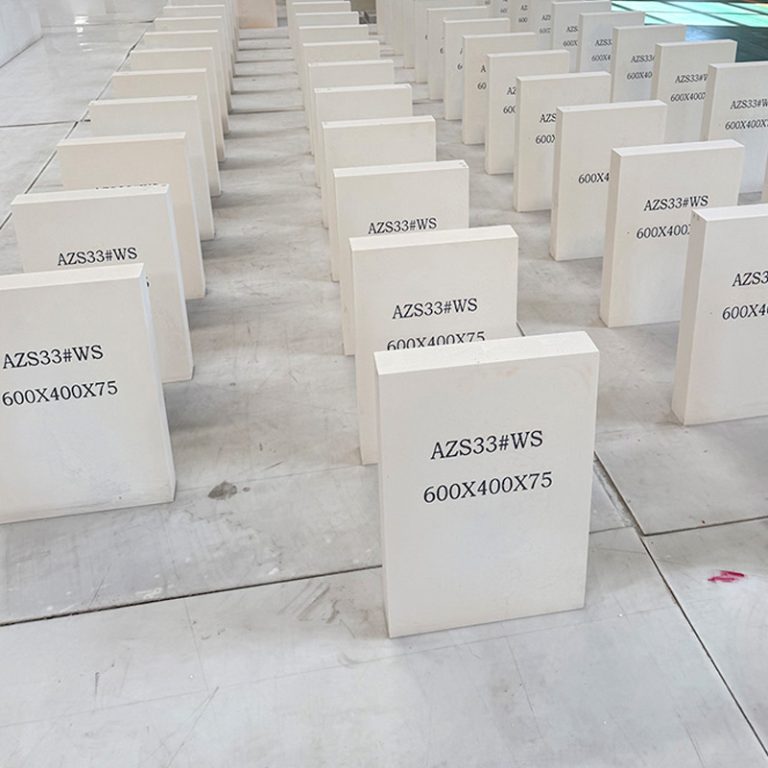
- Ceramic Fiber Board Repair: Used for repairing cracks, defects, and holes on the surface of ceramic fiber boards.
- Ceramic Fiber Furnace Repair: Used for localized repairs of the fiber furnace linings in high-temperature electric furnaces and experimental furnaces.
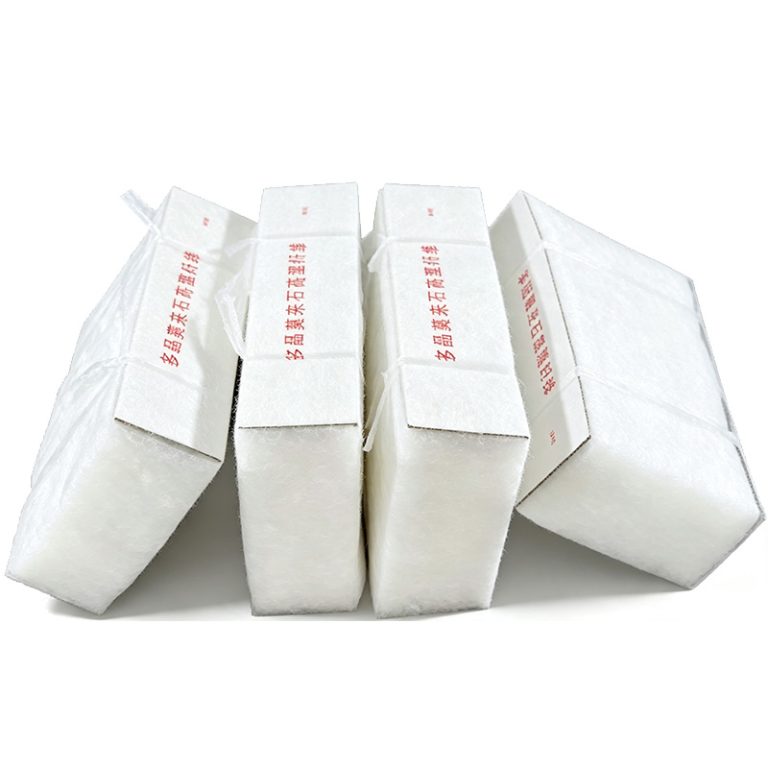
- Ceramic Fiber Module Repair: Used for repairing and reinforcing damaged fiber modules.
- Pipe Insulation Layer Repair: Used for localized repairs of ceramic fiber insulation layers in high-temperature pipelines.
Profil de l'entreprise
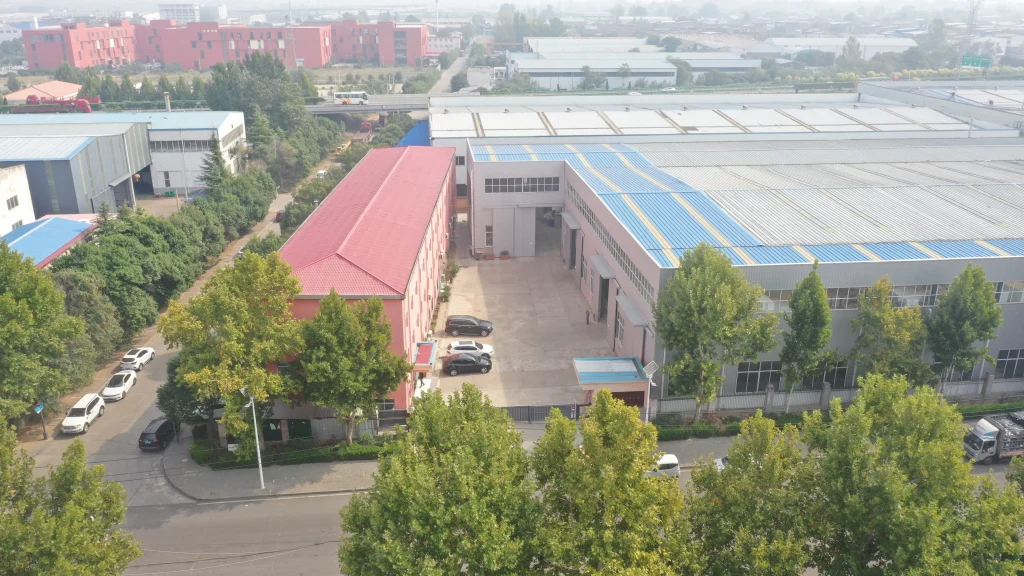
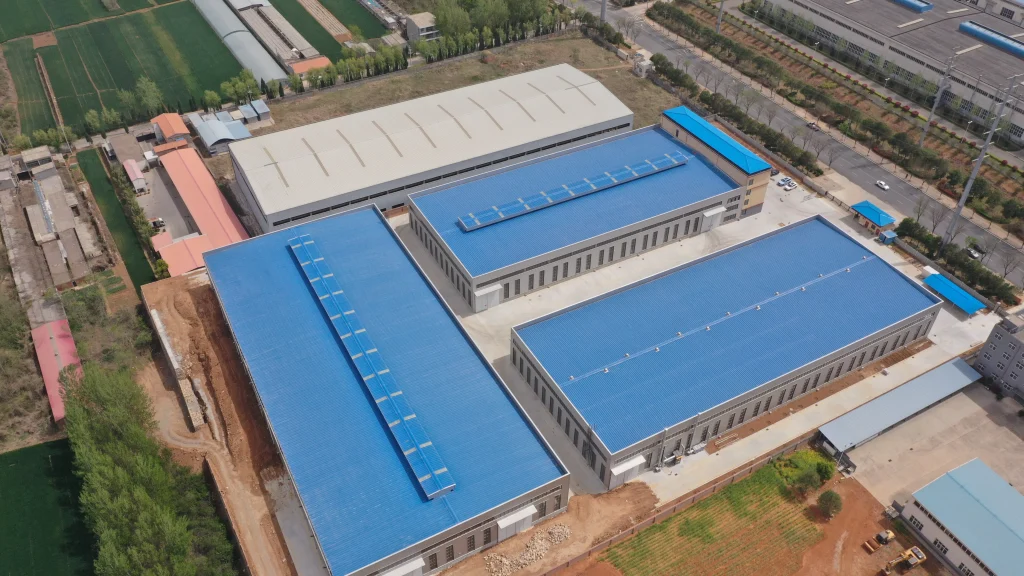
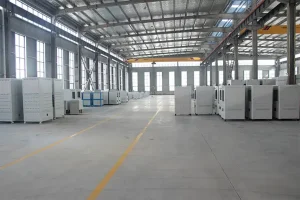
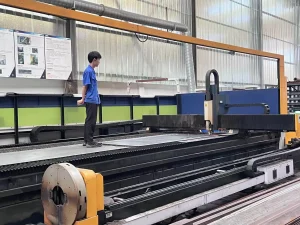
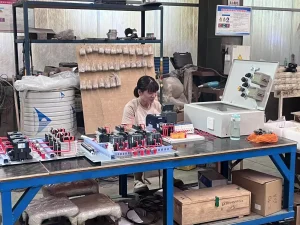
Une entreprise professionnelle spécialisée dans les services de technologie de traitement thermique et le R&D, fabrication, et vente de fours électriques haute température.
La société se concentre sur le développement de fours électriques à haute température couvrant une plage de températures complète de -100 ℃ à 2 600 ℃.. Ses produits comprennent des fours électriques expérimentaux, fours à atmosphère sous vide, fours industriels, et équipements de chauffage par induction à moyenne fréquence. Les principaux produits comprennent des fours à caissons, fours tubulaires, fours de levage, fours pousseurs, fours à bogies, fours rotatifs, fours tunnel, et divers fours spécialisés moyenne fréquence.
L'entreprise adhère à l'innovation technologique et a passé les certifications ISO9001 et CE de l'UE.. Il possède 21 marques déposées, 29 brevets, et 27 droits d'auteur sur les logiciels.
Méthodes de paiement
TT
Méthodes d'expédition
Le four électrique est emballé dans le four électrique est emballé en trois couches: d'abord enveloppé dans du papier mousse, puis enveloppé dans un film plastique, et enfin emballé dans une caisse en bois.
Foire aux questions (FAQ)
- How to choose the appropriate repair material model?
Select the model based on the operating temperature of the furnace or fiber products. The temperature resistance rating of the repair material model should not be lower than the operating temperature of the substrate being repaired. For example, if the operating temperature of fiberboard is 1400℃, XK1420C or a higher rating should be selected.
- What is the mixing ratio of the repair material?
Mix the repair material with water at approximately a 1:1 ratio and stir for 3-5 minutes until it reaches a mud-like consistency. The actual amount of water added can be slightly adjusted based on the application feel, aiming for easy application without dripping.
- Is special treatment required after repair?
After repair, the temperature needs to be slowly increased to 800-1000℃ at a rate of 1-3℃/min for curing. Normal use is possible after curing. If the repaired area is small, it can be naturally cured during the normal heating process of the equipment, but it is recommended to appropriately slow down the heating rate when initially heating to the operating temperature.
- Will the repair affect the furnace insulation effect?
Non. The repair material is similar in material to the ceramic fiber matrix, and its thermal conductivity matches that of the matrix after curing, thus not affecting the overall insulation performance.
- How to store the product?
Store in a cool, dry place, protected from moisture. If the product becomes damp and clumps, it is not recommended to use it, as this will affect the repair effect.